How Travellers Discover Travel Businesses Online
Part of our ongoing exploration of travel discovery, traveller behaviour and the ways people research, compare and make travel decisions.
Quick Summary
- Travellers discover travel businesses online through multiple channels including search engines, AI tools, social media, reviews, maps, videos and travel articles.
- Different discovery channels play different roles throughout the traveller journey, from initial awareness through to research and decision making.
- Search engines remain an important source of travel discovery, particularly when travellers are actively researching destinations and experiences.
- AI tools are becoming an increasingly important way for travellers to gather information, compare options and receive recommendations.
- Social media, videos and visual content often introduce destinations and experiences before active travel planning begins.
- Reviews and recommendations help travellers build trust and confidence before making travel decisions.
- Modern travel discovery rarely occurs through a single source and increasingly operates within interconnected Travel Discovery Ecosystems.
How Travellers Discover Travel Businesses Online
Travel businesses can be discovered in many different ways.
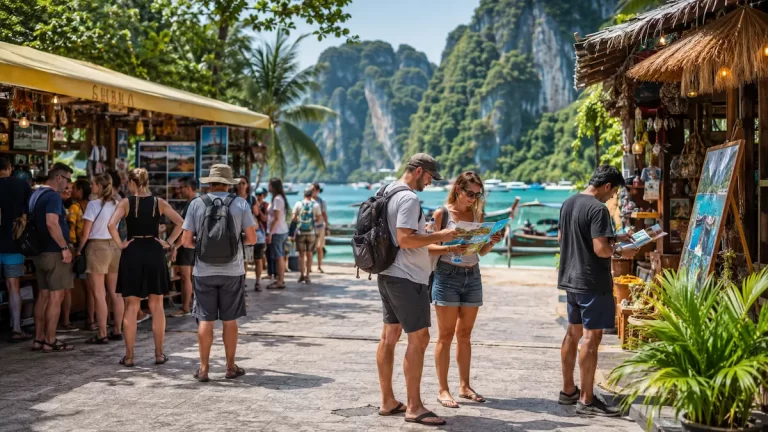
A traveller researching a destination may find a tour operator through a search engine, discover a restaurant through a social media post, encounter a hotel while reading reviews or learn about an experience through a travel article. In many cases, travellers interact with multiple sources of information before deciding whether a business deserves further consideration.
As explored in What Is Travel Discovery?, discovery occurs when a destination, experience or travel business first enters a traveller’s awareness. However, the way travellers discover businesses online has become increasingly complex as new technologies, platforms and information sources have emerged.
Today, travellers rarely rely on a single channel when researching destinations and planning trips. Search engines, AI tools, social media platforms, reviews, maps, videos and travel publications all contribute to the discovery process in different ways. Each channel plays a unique role in helping travellers gather information, compare options and make travel decisions.
This multi-channel behaviour forms an important part of the broader Travel Discovery Process. Discovery may begin in one place, but travellers often continue researching and evaluating options across many different platforms before taking action.
Understanding how travellers discover travel businesses online is valuable for both travellers and businesses alike. It helps explain how information is found, how trust is developed and why visibility often depends on appearing in multiple places throughout the traveller journey.
In this article, we’ll explore the major channels that influence modern travel discovery, examine how each contributes to traveller decision making and explain why many businesses are now discovered through interconnected Travel Discovery Ecosystems rather than a single platform or source.
What Does It Mean To Discover A Travel Business?
Before exploring the different channels through which travellers discover businesses online, it is useful to understand what discovery actually means in a travel context.
A travel business is considered discovered when it first enters a traveller’s awareness and becomes a potential option for future consideration. This might occur when a traveller sees a recommendation, reads an article, finds a business through a search engine, watches a video or encounters information that introduces them to a destination, experience or service they were previously unaware of.
As discussed in What Is Travel Discovery?, discovery is not the same as booking. In most cases, discovery simply represents the beginning of a much longer journey. Travellers typically continue researching information, comparing alternatives and seeking validation before deciding whether to take action.
This distinction is important because discovery often occurs long before a traveller is ready to make a purchase decision. A traveller might discover a hotel months before booking accommodation, learn about a tour operator while researching a destination or encounter an attraction during casual browsing long before travel plans are finalised.
Discovery can also occur at different stages of the traveller journey. Some businesses are discovered during the initial inspiration phase, while others enter consideration later during active research and comparison. As a result, travel businesses may be discovered multiple times across different channels before a final decision is made.
This behaviour reflects the reality of modern travel planning. Travellers rarely move directly from awareness to action. Instead, they progress through a broader Travel Discovery Process that includes research, comparison, validation and decision making.
Understanding how discovery works helps explain why visibility matters. Travellers can only research, compare and evaluate options they know exist. Businesses that successfully enter a traveller’s awareness have an opportunity to become part of the consideration process, while those that remain undiscovered are unlikely to influence future travel decisions.
The question therefore is not simply whether travellers discover travel businesses online, but where that discovery occurs and how different channels contribute to the traveller journey. Understanding those channels provides valuable insight into how modern travel discovery actually works.
Why Discovery Channels Matter
Not all travel businesses are discovered in the same way.
Some travellers begin their journey with a search engine, while others encounter a destination or experience through social media, recommendations, videos or travel articles. The channel through which discovery occurs often depends on where the traveller is within their planning journey and what type of information they are seeking at that moment.
This is one reason modern travel discovery has become increasingly complex. Travellers no longer rely on a single source of information when researching destinations, experiences and travel businesses. Instead, they move between multiple channels as they gather information, compare alternatives and make travel decisions.
As explored in The Travel Discovery Process, travellers often progress through stages of discovery, research, comparison, validation and decision making. Different discovery channels support different parts of that journey. A social media post may create initial awareness, a search engine may support research, reviews may help build trust and a travel article may provide the detailed information needed to make an informed decision.
Because each channel serves a different purpose, no single platform dominates the entire discovery journey. Travellers frequently combine information from multiple sources before deciding which destinations, experiences or travel businesses deserve further consideration.
This behaviour has important implications for understanding traveller decision making. The businesses that travellers ultimately choose are often not discovered through a single interaction. Instead, they may be encountered repeatedly across different channels, gradually building familiarity, trust and confidence over time.
This interconnected behaviour forms the foundation of what many now describe as Travel Discovery Ecosystems. Rather than existing as isolated channels, search engines, AI tools, social media platforms, reviews, videos, maps and travel content increasingly work together to influence how travellers discover and evaluate their options.
Understanding the role of these channels provides valuable insight into how travel businesses become visible online and why modern travel discovery is often shaped by a combination of information sources rather than a single platform.
Search Engines And Travel Discovery
Search engines remain one of the most important ways travellers discover destinations, experiences and travel businesses online.
When travellers actively seek information, search is often one of the first places they turn. Whether researching destinations, comparing accommodation, looking for local experiences or planning an itinerary, search engines provide access to a vast amount of travel information that can influence discovery and decision making.
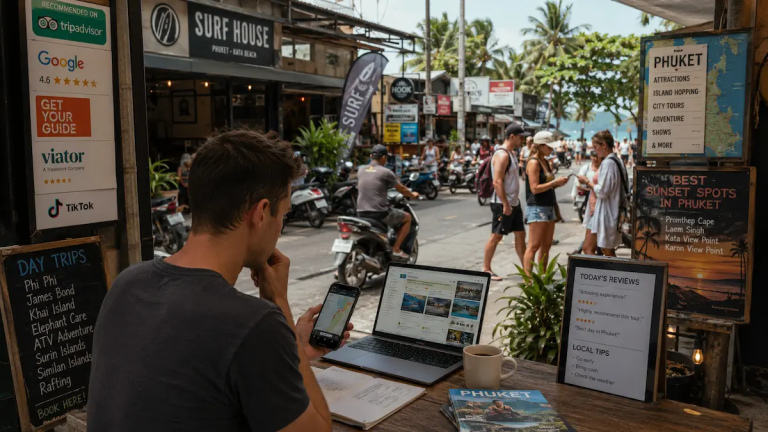
A traveller planning a trip to Phuket, for example, may search for things to do, recommended tours, local attractions, restaurants or accommodation options. During this process, they are exposed to destinations, experiences and travel businesses that may have been completely unknown to them beforehand.
This makes search engines particularly powerful because they often connect travellers with information at the exact moment curiosity becomes active research. Unlike some discovery channels that rely on passive exposure, search typically reflects an intentional desire to learn more about a destination, activity or travel-related topic.
As explored in How Search Engines Influence Travel Discovery, search results do more than simply direct travellers to websites. They influence which businesses enter the traveller’s awareness, which options receive attention and which sources of information become part of the broader decision-making process.
Search also plays an important role throughout the wider Travel Discovery Process. Travellers frequently return to search engines as they move through research, comparison and validation stages. A traveller may perform multiple searches over days, weeks or even months before making a final decision.
However, search engines are no longer the only way travellers discover information online. While search remains a critical discovery channel, travellers increasingly combine search with reviews, social media, videos, travel articles and newer technologies such as AI-powered recommendations.
Understanding the role of search helps explain why it remains one of the foundations of modern travel discovery. It provides a direct pathway between traveller intent and relevant information, making it one of the most influential channels within the broader travel discovery ecosystem.
The Growing Role Of AI In Travel Discovery
Artificial intelligence is rapidly becoming an important part of how travellers discover destinations, experiences and travel businesses online.
Rather than searching through individual websites and results pages, travellers can now ask questions, compare options and seek recommendations through conversational AI tools. This creates a different type of discovery experience that focuses on answers, summaries and recommendations rather than traditional search results.
For travellers, AI offers a convenient way to gather information during the travel planning process. A traveller might ask for destination suggestions, compare accommodation options, identify suitable tours or seek advice about activities and experiences within a particular location. In many cases, businesses and destinations are discovered through the recommendations and information provided during these conversations.
As explored in The Growing Role Of AI In Travel Discovery, AI is not replacing travel discovery. Instead, it is becoming another channel through which discovery occurs. The underlying need to research destinations, compare options and make informed travel decisions remains unchanged, even if the tools being used continue to evolve.
One of the most interesting aspects of AI-assisted discovery is that it often draws upon information from multiple sources. Travel articles, reviews, destination guides, business websites and other forms of travel content can all contribute to the information that travellers encounter through AI-driven interactions.
AI also supports multiple stages of the broader Travel Discovery Process. It can introduce new ideas during the discovery phase, assist with information gathering during research and help travellers compare alternatives while evaluating their options.
However, AI is rarely used in isolation. Most travellers continue to seek validation through reviews, social media content, videos and other sources before making a final decision. For this reason, AI should be viewed as part of a wider discovery ecosystem rather than a standalone replacement for existing channels.
As AI tools become more widely adopted, their influence on travel discovery is likely to continue growing. Understanding how travellers use these tools provides valuable insight into how online discovery is evolving and how businesses may increasingly be discovered through conversational experiences rather than traditional searches alone.
Social Media And Travel Discovery
Social media has become one of the most influential channels for travel discovery, particularly during the early stages of the traveller journey.
Unlike search engines, which are often driven by active intent, social media frequently introduces travellers to destinations, experiences and travel businesses before they begin actively researching a trip. Discovery can occur while browsing content, watching videos, viewing photographs or engaging with recommendations shared by creators, travellers and businesses.
This makes social media particularly effective for creating awareness. A traveller may discover a destination they had never previously considered, become interested in a local experience after watching a video or learn about a travel business through content shared within their network.
As explored in How Social Media Influences Travel Decisions, social media does more than simply inspire travel. It also shapes perceptions, influences expectations and contributes to the way travellers evaluate destinations and experiences before making decisions.
Visual content plays an especially important role. Photographs and videos can communicate atmosphere, scenery, activities and experiences in ways that traditional text-based information often cannot. This allows travellers to develop an emotional connection with a destination or experience long before they begin detailed research.
Social media also encourages ongoing discovery. Travellers are frequently exposed to new destinations, attractions and travel businesses through content recommendations, hashtags, shared posts and creator-led storytelling. As a result, discovery often occurs outside of traditional travel planning activities.
However, social media is rarely the final step in the traveller journey. Once interest has been established, many travellers continue researching through search engines, reviews, travel articles and other sources of information. This reflects the broader Travel Discovery Process, where discovery is often followed by research, comparison and validation before a final decision is made.
Understanding the role of social media helps explain why modern travel discovery is no longer limited to active search behaviour. Travellers are constantly encountering new ideas, destinations and experiences through the content they consume every day, making social media one of the most powerful channels within the modern travel discovery ecosystem.
Reviews And Recommendations
Reviews and recommendations play a unique role in travel discovery because they often combine awareness with trust.
While search engines, AI tools and social media may introduce travellers to destinations, experiences and travel businesses, reviews frequently help travellers decide whether those options deserve further consideration. In many cases, discovery and validation occur simultaneously.
Travellers regularly consult reviews when researching accommodation, tours, attractions, restaurants and other travel services. A business that appears in review platforms may be discovered by travellers who were not previously aware of its existence, while positive feedback can help build confidence and credibility at the same time.
As explored in How Online Reviews Influence Travel Discovery, reviews have become an important source of travel information because they provide insight from people who have already experienced a destination, product or service. Rather than relying solely on promotional content, travellers can learn from the experiences and opinions of previous guests.
Recommendations function in a similar way. Suggestions from friends, family members, travel communities and trusted sources often carry significant influence because they come from people whose opinions are already valued. These recommendations can introduce travellers to destinations, experiences and travel businesses they may never have encountered through other discovery channels.
Reviews and recommendations are particularly important during the later stages of the Travel Discovery Process. As travellers move from research into comparison and validation, they often seek reassurance that they are making the right decision. The experiences of other travellers can help reduce uncertainty and strengthen confidence before a booking is made.
Unlike some discovery channels that focus primarily on awareness, reviews and recommendations contribute directly to trust. This combination of visibility and credibility makes them one of the most influential elements within modern travel discovery.
For many travellers, the question is not simply whether a business can be found online, but whether enough evidence exists to support choosing it over competing alternatives. Reviews and recommendations often provide that evidence, helping transform awareness into confidence and confidence into action.
Maps And Local Discovery
Maps have become an increasingly important channel for travel discovery, particularly when travellers are actively exploring destinations or searching for nearby experiences.
Unlike many other discovery channels, maps are closely connected to location and intent. Travellers often use mapping platforms to find accommodation, restaurants, attractions, tour operators, transport services and other travel-related businesses based on where they are or where they plan to visit.
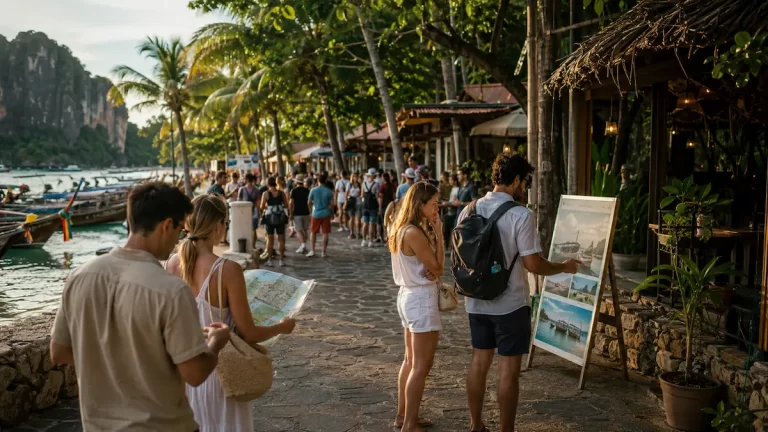
This makes maps especially valuable during active travel planning and in-destination decision making. A traveller arriving in a new location may search for nearby attractions, places to eat or activities to do, while someone planning a future trip may use maps to understand the geography of a destination and identify experiences within a particular area.
As explored in How Maps Influence Travel Discovery, maps do far more than provide directions. They often act as discovery platforms, helping travellers identify businesses and experiences that they may not have encountered through search engines, social media or other channels.
Maps also combine multiple forms of information in a single interface. Reviews, ratings, photographs, business details, opening hours and location data can all be accessed within the same environment. This allows travellers to move seamlessly between discovery, research and evaluation while exploring their options.
The role of maps becomes particularly important during the later stages of the Travel Discovery Process. After travellers have identified potential destinations, experiences or businesses, maps help them assess convenience, accessibility and proximity to other locations. In some cases, these practical considerations can significantly influence travel decisions.
Maps also support spontaneous discovery. Travellers walking through a destination or exploring a region often encounter businesses and attractions through map-based searches that were never part of their original plans. This creates opportunities for travel businesses to be discovered at the exact moment a traveller is looking for something nearby.
As mobile technology continues to shape traveller behaviour, maps are becoming increasingly integrated into the travel journey. They provide a bridge between online research and real-world exploration, making them an important component of modern travel discovery.
Videos And Visual Discovery
Video has become one of the most powerful forms of travel discovery because it allows travellers to experience destinations, attractions and travel businesses before they ever arrive.
Unlike text or static images, video can communicate atmosphere, movement, scale and emotion in a way that helps travellers visualise what an experience might actually feel like. This makes video particularly effective during both the discovery and research stages of the traveller journey.
Travellers regularly use video content to explore destinations, view accommodation, understand tour experiences, learn about attractions and gain a better sense of what to expect before making decisions. In many cases, a video introduces a destination or experience that the traveller had not previously considered.
As explored in How Videos Influence Travel Discovery, video content can significantly influence awareness and perception. A well-produced destination video, experience showcase or first-hand travel story may create interest long before a traveller begins actively planning a trip.
Video also helps reduce uncertainty. Travellers often seek visual confirmation that a destination, attraction or experience matches their expectations. Seeing an experience in action can provide a level of understanding that is difficult to achieve through written descriptions alone.
This makes video valuable throughout the broader Travel Discovery Process. It may create initial awareness, support research, assist comparison and even contribute to validation by helping travellers build confidence in their choices.
The growth of video platforms and short-form content has further increased the role of visual discovery. Travellers are now exposed to destinations, experiences and travel businesses through a constant stream of visual content, often discovering new ideas without actively searching for them.
As a result, video has become an important part of the modern travel discovery ecosystem. It combines inspiration, information and visual storytelling in a way that helps travellers better understand their options and imagine themselves experiencing a destination before making travel decisions.
Travel Articles And Editorial Discovery
Despite the growth of social media, video content and AI tools, travel articles continue to play an important role in how travellers discover destinations, experiences and travel businesses online.
Articles provide something many other discovery channels cannot: depth.
While a photograph may create interest and a short video may inspire curiosity, travellers often turn to articles when they want detailed information that helps them better understand a destination, compare options or evaluate potential experiences. This makes editorial content particularly valuable during the research phase of the traveller journey.
As explored in Why Travel Articles Still Matter, travel articles help transform awareness into understanding. They provide context, explanations, practical information and insights that support more informed travel decisions.
Articles also contribute to discovery in multiple ways. A traveller may discover a business through a destination guide, encounter an experience while researching things to do in a region or learn about an attraction through a detailed travel feature. In many cases, editorial content introduces options that travellers were not actively searching for but later decide to explore further.
Another strength of travel articles is their ability to connect information. A well-structured article can combine destination knowledge, recommendations, practical advice, traveller experiences and contextual information within a single resource. This allows travellers to move beyond isolated pieces of information and develop a broader understanding of their available options.
Travel articles also support the wider Travel Discovery Process by helping travellers research destinations, compare alternatives and build confidence before making decisions. Unlike short-form content that is often consumed quickly, articles frequently encourage deeper engagement with a topic and a more considered evaluation of available choices.
Perhaps most importantly, editorial content often acts as a bridge between discovery and decision making. It helps travellers move from curiosity to understanding by providing the information required to evaluate destinations, experiences and travel businesses more effectively.
For this reason, travel articles remain an important component of modern travel discovery. They continue to support travellers seeking detailed information while contributing to the broader ecosystem through which destinations, experiences and travel businesses are discovered online.
Why Modern Travel Discovery Happens Across Multiple Channels
One of the most important characteristics of modern travel discovery is that it rarely occurs through a single source of information.
Travellers move between search engines, AI tools, social media platforms, reviews, maps, videos and travel articles as they research destinations, compare experiences and evaluate travel businesses. Each channel contributes something different to the traveller journey, and each plays a unique role in shaping travel decisions.
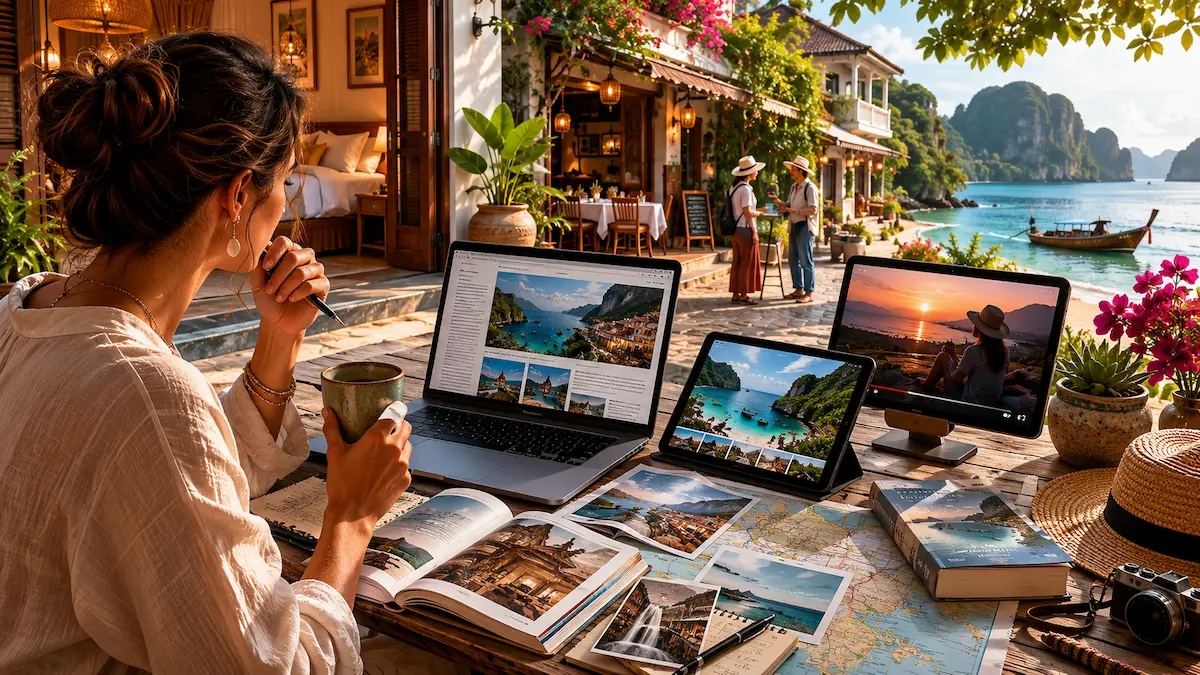
A traveller might first discover a destination through social media, use a search engine to gather information, watch videos to better understand the experience, read reviews to build confidence and consult maps while planning an itinerary. In many cases, multiple channels contribute to the same decision.
This behaviour reflects the reality of modern traveller behaviour. People rarely rely on a single platform when making important travel decisions. Instead, they seek information from multiple sources, compare perspectives and look for consistency across different channels before deciding which options deserve further consideration.
As discussed in The Travel Discovery Process, travellers typically move through stages of discovery, research, comparison, validation and decision making. Different channels often support different stages of that process, making each one part of a larger interconnected journey.
This interconnected behaviour is increasingly described as a Travel Discovery Ecosystem. Rather than viewing search engines, AI tools, social media platforms, reviews, videos and travel content as separate channels, the ecosystem perspective recognises that travellers often use them together as part of a broader decision-making framework.
The significance of this shift is that discovery is no longer confined to a single website, platform or moment in time. Travel businesses may be encountered through multiple channels before a traveller forms an opinion or makes a decision. Visibility, trust and information now work together across a network of interconnected discovery opportunities.
Understanding Travel Discovery Ecosystems helps explain why modern travel discovery has become more complex than ever before. It also provides a more accurate reflection of how travellers actually behave when researching destinations, experiences and travel businesses online.
Ultimately, modern travel discovery is not defined by a single channel. It is shaped by the collective influence of many channels working together throughout the traveller journey.
Conclusion
How travellers discover travel businesses online has changed significantly over time.
While search engines once dominated much of the discovery process, modern travellers now move between a wide range of channels including AI tools, social media platforms, reviews, maps, videos and travel articles. Each source contributes different information, perspectives and opportunities for discovery throughout the traveller journey.
As explored in What Is Travel Discovery?, discovery begins when a destination, experience or travel business first enters a traveller’s awareness. However, discovery rarely occurs through a single interaction. Travellers often encounter businesses multiple times across different platforms before deciding whether they deserve further consideration.
This behaviour reflects the broader Travel Discovery Process, where discovery is followed by research, comparison, validation and decision making. Different channels support different stages of that journey, helping travellers gather information, build confidence and evaluate their available options.
Understanding how travellers discover travel businesses online provides valuable insight into modern traveller behaviour. It highlights the role that search engines, AI tools, social media, reviews, maps, videos and travel content all play in shaping travel decisions.
Perhaps most importantly, it demonstrates why modern travel discovery is increasingly influenced by interconnected Travel Discovery Ecosystems rather than individual platforms operating in isolation.
As travellers continue to access information through a growing range of channels, understanding where discovery occurs and how those channels work together will remain an important part of understanding how travel decisions are made.
Frequently Asked Questions About How Travellers Discover Travel Businesses Online
How do travellers discover travel businesses online?
Travellers discover travel businesses through a variety of channels including search engines, AI tools, social media platforms, reviews, maps, videos, travel articles and personal recommendations. Most travellers use multiple sources of information throughout the travel planning process rather than relying on a single channel.
What is the most common way travellers discover travel businesses?
Search engines remain one of the most common discovery channels because they connect travellers with information while actively researching destinations, experiences and travel services. Learn more in How Search Engines Influence Travel Discovery.
Are AI tools changing travel discovery?
Yes. AI tools are becoming an increasingly important part of modern travel discovery by helping travellers ask questions, compare options and receive recommendations through conversational interfaces. Explore this topic further in The Growing Role Of AI In Travel Discovery.
How does social media influence travel discovery?
Social media often introduces travellers to destinations, experiences and travel businesses before they begin actively researching a trip. It plays an important role in inspiration, awareness and perception. Learn more in How Social Media Influences Travel Decisions.
Why are reviews important for travel discovery?
Reviews help travellers evaluate the experiences of previous guests and build confidence before making decisions. They often contribute to both discovery and validation at the same time. Learn more in How Online Reviews Influence Travel Discovery.
Do travellers use maps to discover travel businesses?
Yes. Maps are commonly used to discover nearby attractions, restaurants, accommodation providers, tour operators and other travel services. They often support both travel planning and in-destination decision making. Learn more in How Maps Influence Travel Discovery.
Why is video content important for travel discovery?
Video helps travellers visualise destinations and experiences before they travel. It provides visual context, builds understanding and often inspires further research. Learn more in How Videos Influence Travel Discovery.
Do travel articles still influence travel discovery?
Yes. Travel articles continue to play an important role by providing detailed information, destination knowledge and context that helps travellers better understand their options. Learn more in Why Travel Articles Still Matter.
Do travellers rely on only one discovery channel?
No. Most travellers use multiple channels throughout their journey. Search engines, AI tools, social media, reviews, maps, videos and travel articles often work together as travellers move through different stages of planning and decision making.
What is a Travel Discovery Ecosystem?
A Travel Discovery Ecosystem refers to the network of interconnected channels that travellers use to discover, research, compare and evaluate destinations, experiences and travel businesses. Rather than relying on a single source, travellers typically gather information from multiple channels throughout the broader Travel Discovery Process.
About The Author
David Hibbins is the creator of Travel With Insight and has spent years building websites, creating online content and observing how people discover businesses, destinations and experiences online.
Through his work across travel publishing, tourism businesses, digital marketing and content creation, he has developed a particular interest in Travel Discovery, Traveller Behaviour and the ways people research, compare and make Travel Decisions.
His writing focuses on understanding how travellers discover information, move through the Travel Discovery Process and evaluate destinations, experiences and travel businesses before making decisions.
Travel With Insight was created to explore these ideas and help both travellers and travel businesses better understand how discovery, research, comparison and trust influence modern travel planning.
His work regularly explores topics including How Travellers Discover Travel Businesses Online, What Influences Travel Decisions?, Travel Discovery Ecosystems and the evolving relationship between information, visibility and traveller decision making.
Continue Exploring Travel Discovery
Understanding how travellers discover travel businesses online is only one part of a much broader picture.
To explore the topic further, continue reading the articles below and discover how travel discovery, traveller behaviour, trust and decision making influence the modern traveller journey.
Related Reading
Travellers discover destinations, experiences and travel businesses through a variety of channels. The articles below explore the role that different discovery channels play throughout the traveller journey.
How Search Engines Influence Travel Discovery
Explore how search engines help travellers discover destinations, experiences and travel businesses while researching and planning trips.
The Growing Role Of AI In Travel Discovery
Learn how AI tools are influencing modern travel discovery and changing the way travellers research and evaluate their options.
How Social Media Influences Travel Decisions
Understand how social media shapes awareness, inspiration and traveller decision making.
How Online Reviews Influence Travel Discovery
Discover why reviews play such an important role in building trust and helping travellers evaluate options.
How Maps Influence Travel Discovery
Explore how maps help travellers discover nearby attractions, experiences and travel businesses.
How Videos Influence Travel Discovery
Learn how video content supports travel discovery through visual storytelling, inspiration and information.
Why Travel Articles Still Matter
Understand why travel articles continue to play an important role in helping travellers research destinations and make informed travel decisions.