Why Isn’t My Tour Company Getting Enquiries?
Travel With Insight helps travel businesses better understand traveller behaviour, discoverability and decision-making in a fragmented travel discovery environment.
Quick Summary
- Tour company enquiries are often influenced by traveller behaviour long before a traveller makes contact.
- Travellers typically discover, research and compare multiple tour operators before deciding who to enquire with.
- Visibility can help travellers find a tour business, but visibility alone does not guarantee enquiries.
- Trust, reviews and traveller confidence often influence whether a potential customer decides to reach out.
- Great tour companies can still struggle to generate enquiries if travellers never discover or seriously consider them.
- Understanding the journey from discovery to enquiry can help explain why some tour operators attract consistent interest while others receive limited demand.
How Can My Tour Company Get More Enquiries
One of the most common frustrations tour operators experience is a lack of enquiries.
The tours may be operating successfully. The reviews may be positive. The itineraries may be well designed. Yet despite the quality of the product, the phone remains quiet, website enquiries are limited and potential customers seem difficult to attract.
This often leads to an understandable question:
Why isn’t my tour company getting enquiries?
One observation that appears repeatedly across the tourism industry is the assumption that enquiries are primarily influenced by marketing activity. While promotion can certainly play a role, low enquiry volume is not always a marketing problem. In many cases, the factors influencing tour company enquiries begin much earlier in the traveller journey.
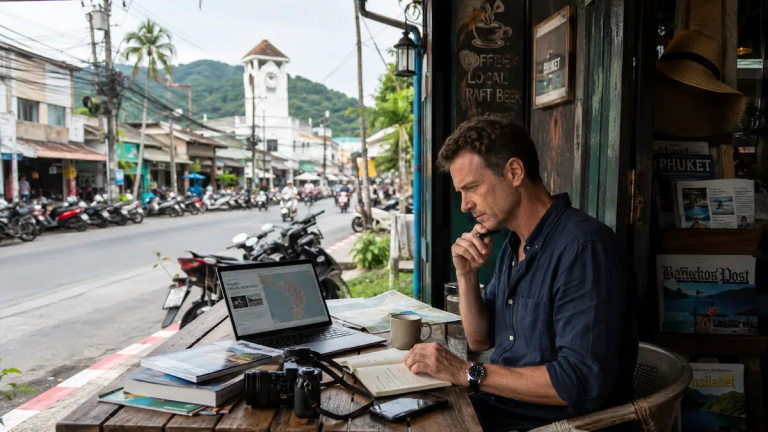
Before contacting a tour operator, travellers often spend time researching destinations, comparing experiences, reading reviews and evaluating different providers. By the time an enquiry is submitted, a significant amount of decision-making may have already taken place.
This helps explain why some tour businesses generate consistent tour enquiries while others struggle to attract interest despite offering similar experiences. The difference is not always the quality of the tour itself. Visibility, discoverability, trust and traveller behaviour can all influence whether a traveller decides to make contact.
As discussed in Why Travel Businesses Struggle To Get Bookings, bookings and enquiries are often the outcome of a broader journey rather than a single interaction. Understanding how travellers discover, evaluate and choose tourism businesses can provide valuable insight into why enquiry levels vary between operators.
In this article, we explore the factors that influence tour company enquiries and examine why some tour businesses attract consistent interest while others find it difficult to generate demand.
Tour Company Enquiries Often Begin Before Contact
One of the most important things tour operators can understand is that enquiries rarely begin when a traveller sends a message, submits a form or makes a phone call.
By the time contact occurs, much of the decision-making process has often already taken place.
Travellers typically spend time researching destinations, exploring experiences and comparing available options before deciding which tour businesses deserve further attention. The enquiry itself is usually a sign that a traveller has already moved beyond the initial discovery stage and is now actively evaluating whether a particular operator is right for them.
This distinction is important because many tour operators focus heavily on the moment of contact while giving less attention to the journey that leads to it.
Low enquiry volume can easily create the impression that travellers are not interested in the tours being offered. In reality, the challenge may lie elsewhere. Potential customers may not be discovering the business during their research process, may not be considering it alongside competing operators or may not yet have developed enough confidence to make contact.
One pattern that emerges across the tourism sector is that successful tour companies often perform well before the enquiry stage ever occurs. They appear in the places travellers are researching, they build familiarity during the evaluation process and they create confidence before a conversation begins.
As explored in Why Travel Businesses Struggle To Get Bookings, enquiries and bookings are often the outcome of a broader traveller journey rather than a single marketing activity. Understanding this journey helps explain why some tour operators consistently generate tour company enquiries while others struggle despite offering high-quality experiences.
From a business perspective, this shifts the focus away from simply asking how to generate more enquiries and towards understanding what influences a traveller’s decision to make contact in the first place.
Travellers Need To Discover Your Tour Business First
Tour operators often focus on generating enquiries, but enquiries can only occur after a traveller becomes aware that the business exists.
This may sound obvious, yet discoverability remains one of the most overlooked influences on tour company enquiries.
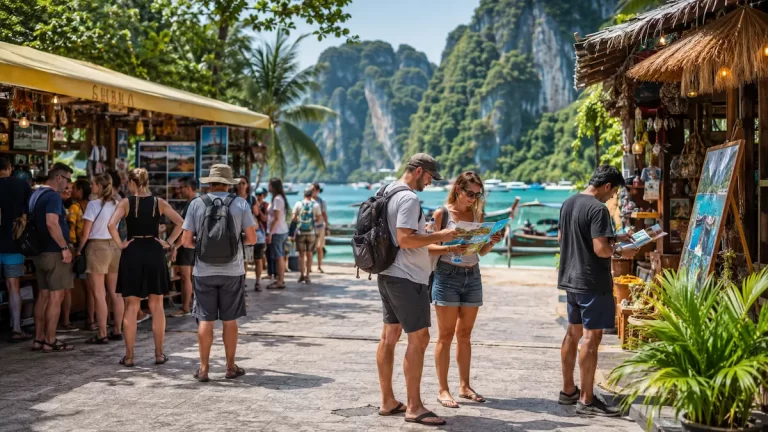
Across many destinations, travellers are exposed to a wide range of tour options. Island tours, cultural experiences, adventure activities, private excursions and day trips may all compete for attention during the research process. A tour operator may offer an outstanding experience, but if travellers never encounter the business while researching, the opportunity to generate an enquiry never materialises.
As explored in How Travellers Discover Travel Businesses Online, travellers discover tourism businesses through a variety of channels. Search engines, travel articles, maps, social media, reviews, videos, recommendations and booking platforms can all play a role in introducing travellers to potential experiences.
This creates an important challenge for tour operators.
Being present online does not automatically mean being discoverable.
Many businesses invest considerable effort into tour operator marketing while remaining difficult to find during key stages of traveller research. Others benefit from strong visibility across multiple channels and consequently receive more opportunities to be considered.
One observation that becomes apparent across the tourism industry is that travellers rarely evaluate every available option. Instead, they typically consider a smaller group of businesses that successfully capture attention during the discovery process.
For this reason, tour enquiries are often influenced long before a traveller decides to make contact. Before an operator can receive an enquiry, the business must first enter the traveller’s awareness and become one of the options being considered.
Understanding this helps explain why some tour companies generate a steady flow of enquiries while others struggle to attract attention despite offering similar experiences.
Visibility Does Not Always Create Tour Enquiries
Many tour operators assume that visibility and enquiries naturally go hand in hand.
The logic appears straightforward. If more travellers see a business, more travellers should make contact.
In practice, the relationship is often more complicated.
One observation that emerges across the tourism sector is that visibility and consideration are not the same thing. A tour company may appear in search results, social media feeds, travel articles or booking platforms and still receive relatively few enquiries.
The reason is that visibility only creates an opportunity for a traveller to notice a business. It does not automatically create enough interest, confidence or relevance for that traveller to take the next step.
This can be particularly challenging for tour operators because travellers are often comparing multiple experiences at the same time. A visitor researching Phuket island tours, for example, may encounter dozens of operators within a single browsing session. While many businesses are technically visible, only a small number may progress to the consideration stage.
This often surprises business owners because visibility is relatively easy to measure. Website visits, social media impressions and listing views provide evidence that travellers are finding the business. However, these metrics do not necessarily indicate whether travellers are seriously evaluating the operator as a potential choice.
From an enquiry perspective, the distinction is significant.
A traveller may see a tour business several times without ever making contact. Another traveller may discover an operator only once but immediately decide to investigate further because the experience appears relevant, trustworthy or aligned with their travel plans.
For this reason, increasing visibility alone does not always generate more tour enquiries. The businesses that consistently attract enquiries are often those that not only appear during the research process but also provide compelling reasons for travellers to continue exploring what they offer.
Understanding this distinction helps explain why some tour operators achieve strong enquiry volumes despite operating in competitive markets, while others remain highly visible yet struggle to generate meaningful interest.
Trust Often Determines Whether Travellers Reach Out
For many travellers, making an enquiry represents more than a request for information.
It is often the first direct interaction with a business they may be considering for an important part of their trip.
This is one reason trust plays such an important role in generating tour company enquiries.
Before making contact, travellers are often assessing whether a tour operator appears professional, reliable and capable of delivering the experience being promised. In many cases, they are evaluating businesses they have never encountered before and destinations they may never have visited.
One observation that becomes apparent across the tourism industry is that enquiries often follow confidence.
Travellers who feel uncertain about a business may continue researching alternatives rather than reaching out. By contrast, operators that create a strong sense of credibility frequently find it easier to generate interest and enquiries.
Trust can be influenced by many factors.
Reviews, recommendations, photography, clear communication, detailed tour information and consistent presentation all contribute to how trustworthy a business appears during the evaluation process. While none of these factors guarantees an enquiry, together they help travellers feel more comfortable initiating contact.
This becomes particularly important in destinations where travellers are comparing multiple operators offering similar experiences. When several businesses appear capable of delivering a comparable tour, trust often becomes one of the factors that influences who receives the enquiry.
For tour operators, this helps explain why enquiry volume is not always determined by the quality of the tour alone. The experience may be exceptional, but travellers must first feel confident enough to begin a conversation.
In many cases, the decision to enquire is less about gathering information and more about deciding which businesses appear trustworthy enough to engage with in the first place.
Why Travellers Contact Some Tour Operators And Ignore Others
One challenge many tour operators face is understanding why travellers contact certain businesses while overlooking others that appear to offer similar experiences.
From the operator’s perspective, the differences between tours can feel significant. Years of local knowledge, experienced guides, carefully designed itineraries and strong customer service may clearly distinguish one business from another.
From the traveller’s perspective, however, those differences are not always immediately visible.
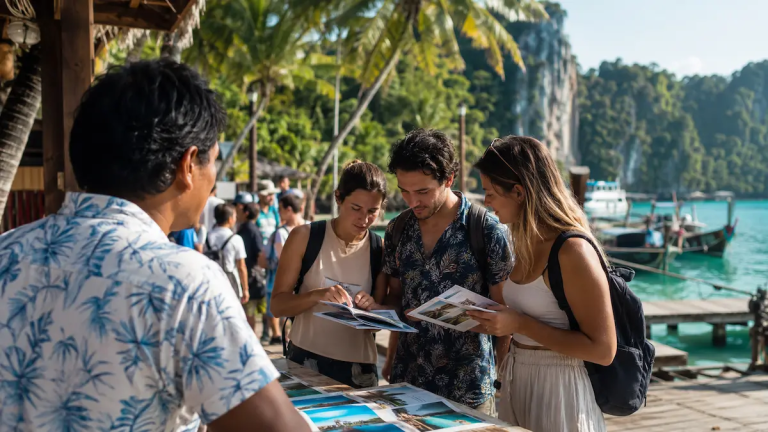
A visitor researching island tours in Phuket, for example, may encounter dozens of operators offering visits to similar destinations. Boat tours, snorkelling trips, private charters and sightseeing experiences often appear side by side during the research process. While the details may differ considerably, many options can initially seem comparable.
This creates an important challenge.
Travellers rarely compare businesses using the same criteria operators use to evaluate themselves.
Instead, they often focus on factors such as trust, reviews, perceived value, convenience, presentation and whether an experience feels aligned with their expectations for the trip.
One observation that emerges repeatedly across tourism businesses is that travellers are not simply choosing tours. They are choosing the operator they feel most comfortable booking with.
This helps explain why two businesses offering similar experiences may generate very different levels of tour enquiries. The difference may not be the itinerary itself. It may be how the business is perceived during the comparison process.
For tour operators, this highlights the importance of understanding how travellers evaluate options rather than focusing solely on how the tour is designed. A business that clearly communicates value, builds trust and aligns with traveller expectations often places itself in a stronger position when comparisons are taking place.
Tour enquiries frequently emerge from this stage of evaluation. By the time a traveller decides to make contact, they have often narrowed their options considerably and identified a small number of operators they believe are worth engaging with further.
Understanding how that short list is formed can provide valuable insight into why some tour businesses consistently attract enquiries while others struggle to gain attention.
Great Tour Companies Can Still Receive Few Enquiries
One of the more frustrating realities within the tourism industry is that excellent tour operators do not always receive the level of interest they deserve.
Many businesses invest heavily in creating memorable experiences. They develop strong itineraries, build knowledgeable teams, deliver outstanding customer service and consistently receive positive feedback from guests. Yet despite these strengths, enquiry levels may remain lower than expected.
At first glance, this can seem difficult to explain.
If the tours are excellent and customers leave satisfied, why aren’t more travellers reaching out?
One observation that emerges repeatedly across tourism businesses is that quality and discoverability are not the same thing.
A traveller can only enquire about a business they encounter during their research process. If an operator remains largely absent from the places where travellers discover and evaluate experiences, the quality of the tour may never become part of the decision-making process.
As explored in Why Great Travel Businesses Remain Undiscovered, many tourism businesses struggle not because they offer poor experiences, but because travellers never have the opportunity to seriously consider them.
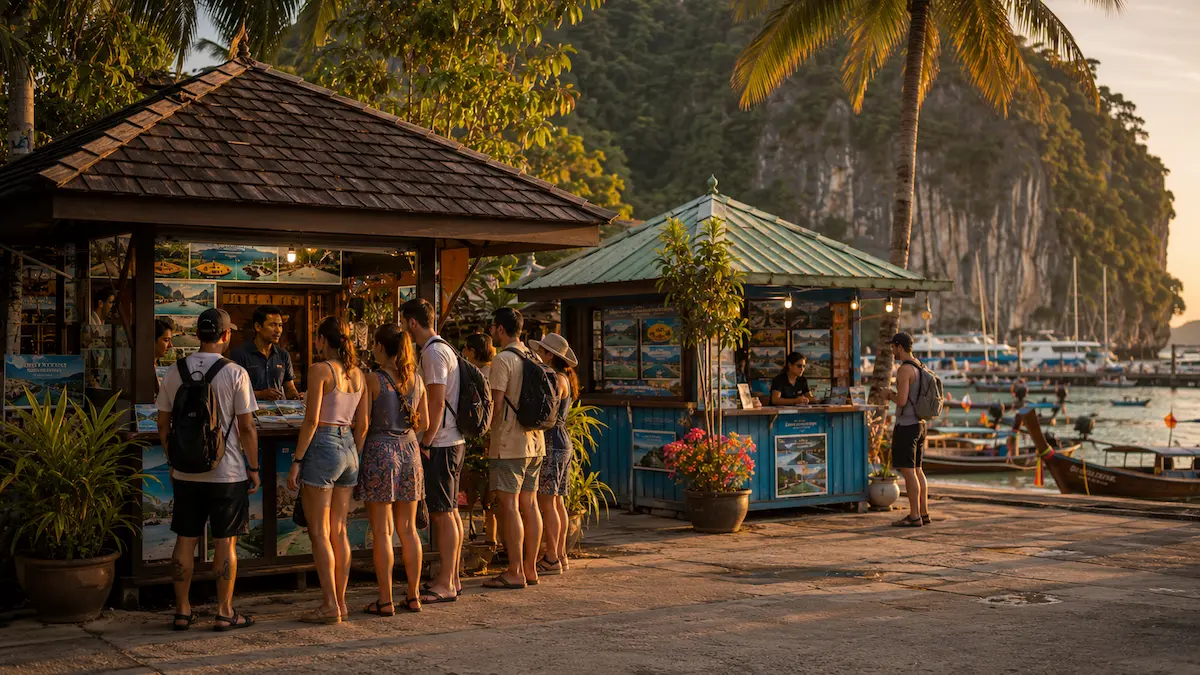
This challenge is particularly relevant in destinations with large numbers of competing operators. A traveller researching island tours, adventure experiences or cultural excursions may encounter dozens of options before narrowing their choices. Businesses that fail to enter that consideration set may receive few enquiries regardless of the quality of the experience being offered.
This does not diminish the importance of delivering exceptional tours. Quality remains one of the strongest drivers of reviews, recommendations and long-term reputation. However, quality alone rarely guarantees visibility.
For tour operators experiencing low enquiry volume, this distinction can be valuable. The issue may not always be the tour itself. Sometimes the challenge lies in whether enough travellers are discovering, evaluating and considering the business before making a decision.
Understanding this helps shift the conversation away from questioning the quality of the experience and towards examining how travellers encounter and assess the business throughout their journey.
Many Travellers Are Not Ready To Enquire Immediately
One assumption that can create frustration for tour operators is the expectation that interested travellers will make contact as soon as they discover a business.
In reality, this is often not how the traveller journey unfolds.
Many travellers spend time researching experiences, comparing alternatives and gathering information before deciding which operators deserve further attention. The absence of an immediate enquiry does not necessarily indicate a lack of interest. In many cases, it simply reflects the fact that the traveller has not yet completed their evaluation process.
As discussed in Why Travellers Rarely Book Immediately, travel decisions often involve a period of consideration before action is taken. Travellers may continue exploring options, reading reviews, discussing plans with travel companions or validating their choices through additional sources before feeling ready to move forward.
For tour operators, this has important implications.
A traveller who visits a website today may not submit an enquiry until several days later. Someone who discovers a tour business through social media may continue researching other operators before deciding who to contact. Another traveller may save information for future reference and return only after completing a broader comparison process.
One observation that emerges repeatedly across the tourism industry is that enquiry volume and traveller interest do not always move at the same pace.
This helps explain why some operators experience periods where visibility appears healthy yet enquiry levels remain lower than expected. Potential customers may still be moving through the stages that occur before contact takes place.
Understanding this distinction can provide a more realistic view of traveller behaviour. Rather than assuming every interested visitor should immediately submit an enquiry, it becomes possible to recognise that many travellers require time to develop confidence in both the experience and the business offering it.
Tour enquiries often represent the outcome of research, comparison and validation rather than the beginning of those activities. By the time a traveller decides to make contact, much of the decision-making process may already be underway.
Understanding The Journey From Discovery To Enquiry
One reason low enquiry volume can be difficult to diagnose is that travellers rarely move directly from discovering a tour company to making contact.
Instead, enquiries are usually the result of a series of decisions that occur throughout the traveller journey.
While every traveller follows a slightly different path, a typical journey often begins with discovery. A traveller becomes aware of a destination, experience or tour operator through search engines, travel content, recommendations, maps, social media or other sources.
From there, a process of evaluation typically begins.
The traveller decides whether the experience appears relevant to their interests, compares available options and gradually narrows the field to a smaller group of operators that seem worthy of further consideration. During this stage, reviews, recommendations, photography and other trust signals often play an important role in shaping perceptions.
Only after this process has progressed sufficiently does an enquiry usually occur.
This is why tour company enquiries should often be viewed as a late-stage action rather than an early-stage event. By the time a traveller sends a message, submits an enquiry form or requests more information, they have frequently completed a significant amount of research and comparison.
For tour operators, this perspective can be valuable because it shifts attention away from the enquiry itself and towards the journey that precedes it.
One observation that becomes apparent across the tourism sector is that businesses generating consistent enquiries are often performing well throughout multiple stages of the traveller journey. They are being discovered, considered, trusted and evaluated positively before any direct contact takes place.
Understanding this journey helps explain why some tour operators receive a steady flow of tour enquiries while others struggle despite offering similar experiences. The difference is often found in the stages leading up to the enquiry rather than the enquiry process itself.
Viewed through this lens, enquiry volume becomes less of a standalone metric and more of an indicator that the earlier stages of the traveller journey are working successfully together.
A Better Question Than “Why Isn’t My Tour Company Getting Enquiries?”
When enquiry levels are low, it is natural to focus on the absence of enquiries themselves.
However, one pattern that becomes apparent across the tourism industry is that low enquiry volume can be caused by a wide range of underlying factors.
Two tour operators may experience similar enquiry numbers while facing entirely different challenges. One business may struggle because travellers never discover it during their research process. Another may achieve strong visibility but fail to build enough trust to encourage contact. A third may be regularly considered by travellers yet lose attention during the comparison stage.
From the outside, each business appears to have the same problem.
In reality, the causes can be very different.
This is one reason enquiry volume rarely provides a complete picture on its own. While enquiries are easy to measure, they reveal very little about the journey travellers followed before deciding whether or not to make contact.
One observation that emerges repeatedly across successful tourism businesses is that enquiries tend to increase when multiple parts of the traveller journey are working effectively together. Discoverability, visibility, trust, relevance and traveller confidence all contribute to whether a potential customer ultimately decides to reach out.
For tour operators experiencing low enquiry volume, the most valuable insights are often found before the enquiry stage itself. Understanding how travellers discover, evaluate and compare tour businesses can provide a clearer perspective on where opportunities may be lost.
The operators that consistently attract tour enquiries are not always those with the largest advertising budgets or the most extensive range of tours. More often, they are businesses that successfully guide travellers through the journey from discovery to consideration and from consideration to contact.
Understanding that journey is often the first step towards understanding why enquiries happen in the first place.
Conclusion
Many tour operators view enquiries as the starting point of the customer journey.
In reality, enquiries are often the result of a much broader process that begins long before a traveller decides to make contact.
Before submitting an enquiry, travellers typically discover businesses, compare experiences, evaluate alternatives and develop confidence in the operators they are considering. Challenges at any stage of that journey can influence whether an enquiry ultimately occurs.
This helps explain why some tour businesses struggle despite offering exceptional experiences, strong itineraries and positive customer reviews. The quality of the tour remains important, but travellers must first discover the business, consider it alongside competing options and feel confident enough to initiate a conversation.
For operators experiencing low enquiry volume, the most useful insights are often found before the enquiry stage itself. Understanding how travellers discover, evaluate and choose tourism businesses can provide a clearer perspective on the factors influencing tour company enquiries.
Viewed this way, enquiries become more than a measure of marketing performance. They become an indication of how effectively a business is participating in the traveller journey that leads to contact.
How Travel With Insight Can Help
Many tour operators know they need more enquiries but find it difficult to identify why potential customers never make contact.
Travel With Insight helps tourism businesses better understand discoverability, visibility, traveller behaviour and the factors that influence tour company enquiries.
Businesses looking to strengthen their presence within the travel discovery ecosystem can explore opportunities including editorial exposure, destination coverage, publishing initiatives and other forms of visibility designed to help travellers discover and evaluate tourism businesses more effectively.
If your tour business is seeking greater visibility, stronger discoverability or additional opportunities to be found by travellers, explore how participation within the Travel With Insight ecosystem may help support those goals.
Related Reading
Why Travel Businesses Struggle To Get Bookings
Explore the broader factors that influence bookings, enquiries, discoverability and traveller decision-making across tourism businesses.
Why Travellers Rarely Book Immediately
Learn why travellers often continue researching and comparing options before contacting a tour operator or making a booking decision.
Why Great Travel Businesses Remain Undiscovered
Discover why quality alone does not guarantee visibility and how discoverability influences whether travellers ever consider a tourism business.
Frequently Asked Questions
Why isn’t my tour company getting enquiries?
Low enquiry volume can be influenced by many factors including discoverability, visibility, trust, competition and traveller decision-making. In many cases, the challenge begins before a traveller decides whether to make contact.
How do I get more tour enquiries?
More tour enquiries often result from improving visibility, discoverability and traveller confidence throughout the research and evaluation process. Travellers typically compare multiple operators before deciding who to contact.
Why do travellers contact some tour operators and not others?
Travellers often compare businesses based on trust, reviews, perceived value, reputation and how well an experience aligns with their travel plans. Similar tours can generate very different enquiry levels depending on how they are perceived.
Do reviews influence tour company enquiries?
Yes. Reviews frequently help travellers validate their decisions and build confidence in a tour operator before making contact.
Can a tour company receive website traffic but few enquiries?
Yes. Visibility does not automatically create enquiries. Travellers may discover a business without seriously considering it or may continue evaluating alternative operators before making contact.
How long does it take travellers to enquire about a tour?
The timeframe varies considerably. Some travellers enquire immediately, while others spend days or weeks researching destinations, experiences and operators before reaching out.
Does tour operator marketing guarantee more enquiries?
Not necessarily. Marketing can improve visibility, but enquiries are often influenced by discoverability, trust, relevance and traveller behaviour as well as promotion.
What influences tour company enquiries?
Tour company enquiries are often influenced by discoverability, reviews, trust, visibility, traveller confidence, perceived value and the broader journey travellers follow before making contact.
About The Author
David Hibbins is the creator of Travel With Insight and has spent years building websites, creating online content and working with travel and tourism businesses across multiple markets.
Through his work in travel publishing, digital marketing and tourism, he has developed a particular interest in Travel Business Visibility, Discoverability, Traveller Behaviour and the factors that influence Travel Business Bookings.
His writing focuses on helping travel businesses better understand how travellers discover, evaluate and choose destinations, experiences and tourism providers. Much of his work explores the relationship between visibility, trust, traveller decision-making and business growth.
Travel With Insight was created to help travel businesses better understand modern travel discovery and identify opportunities to create more meaningful visibility throughout the traveller journey.
His work regularly explores topics including Travel Business Discoverability, Travel Business Bookings, Traveller Decision Making, Trust Signals, Travel Research Behaviour and the journey from discovery to booking.