Which Temples Should You Visit in Thailand?
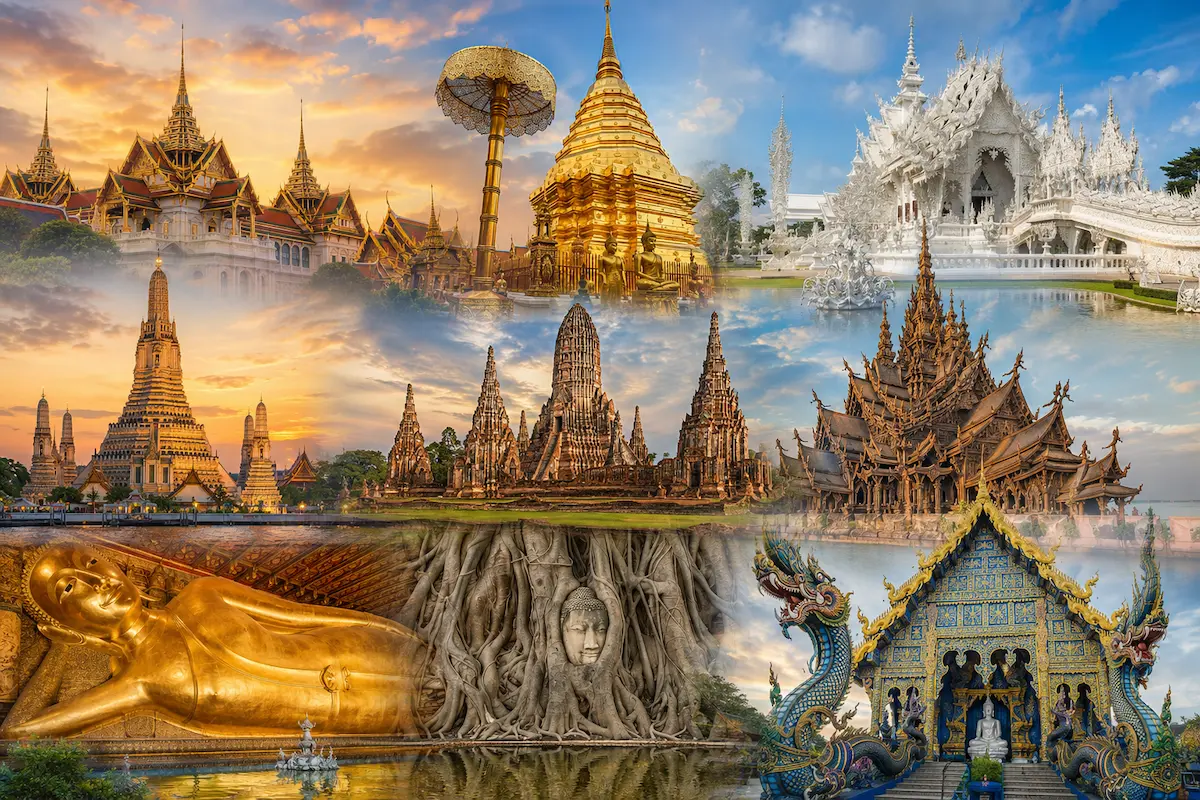
With more than 44,000 Buddhist temples across Thailand, there is no single definitive list of the “best” temples in Thailand. Every temple has its own history, architectural style and spiritual significance, making any ranking inherently subjective.
Instead of attempting to identify an absolute “best”, this guide focuses on the temples that are most widely recognised by travellers, historians and guidebooks as being among the best temples to visit in Thailand. Together, they showcase the country’s rich Buddhist heritage, remarkable architecture and cultural significance while providing unforgettable experiences for visitors.
From magnificent royal temples and centuries-old historical landmarks to peaceful village monasteries and hidden forest sanctuaries, every temple has its own unique history, architectural style and spiritual significance. In many ways, every temple is beautiful and worthwhile in its own right, making it impossible to identify a definitive list of the country’s “best” temples.
Instead, this guide focuses on some of Thailand’s most iconic and widely recognised temples from a visitor’s perspective. These are the temples that have become symbols of Thailand’s history, culture and Buddhist traditions, while also providing unforgettable experiences for travellers exploring the country for the first time.
Whether you’re drawn by spectacular architecture, fascinating history or a desire to better understand Thai culture, these iconic temples represent some of the most remarkable places to experience Thailand’s spiritual heritage.
1. Wat Phra Kaew (Temple of the Emerald Buddha), Bangkok
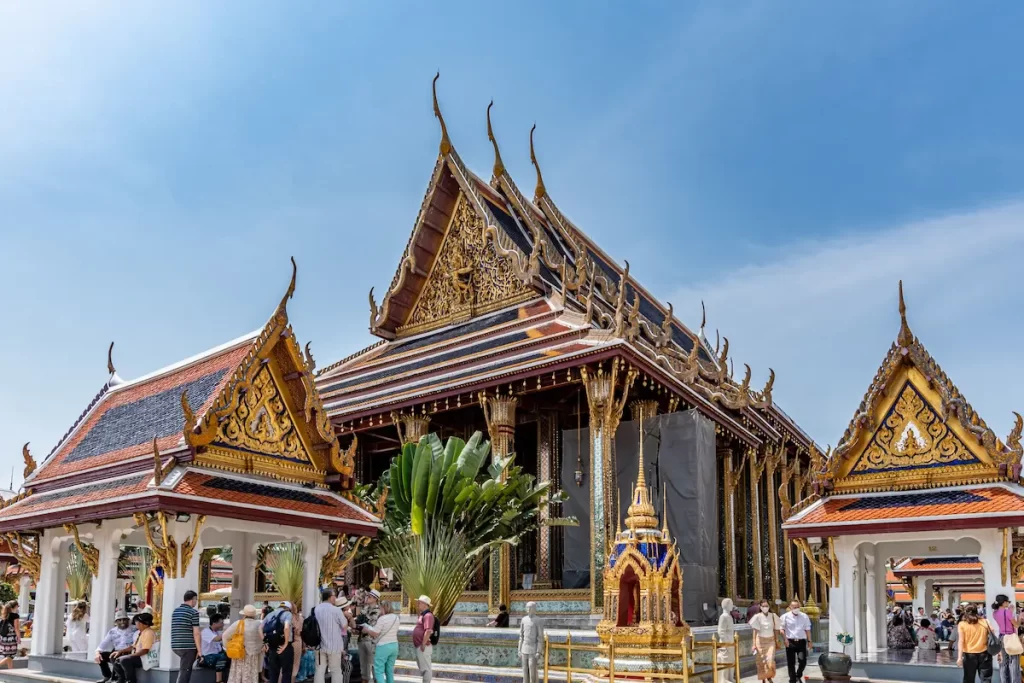
Regarded as Thailand’s most sacred Buddhist temple, Wat Phra Kaew is one of the country’s most important cultural and religious landmarks. Located within the grounds of the Grand Palace in Bangkok, the temple houses the revered Emerald Buddha, a small but highly significant statue that has served as a symbol of the Thai nation for centuries.
Visitors are immediately struck by the temple’s extraordinary craftsmanship. Golden chedis, richly decorated halls, intricate mosaics and colourful murals combine to create one of Thailand’s finest examples of traditional Buddhist architecture. Every corner of the complex reflects the artistry and devotion that have shaped Thai culture throughout its history.
For many first-time visitors, Wat Phra Kaew is the single most iconic temple in Thailand. Combining spiritual significance, royal history and breathtaking architecture, it offers an unforgettable introduction to the country’s Buddhist heritage.
2. Wat Arun (Temple of Dawn), Bangkok
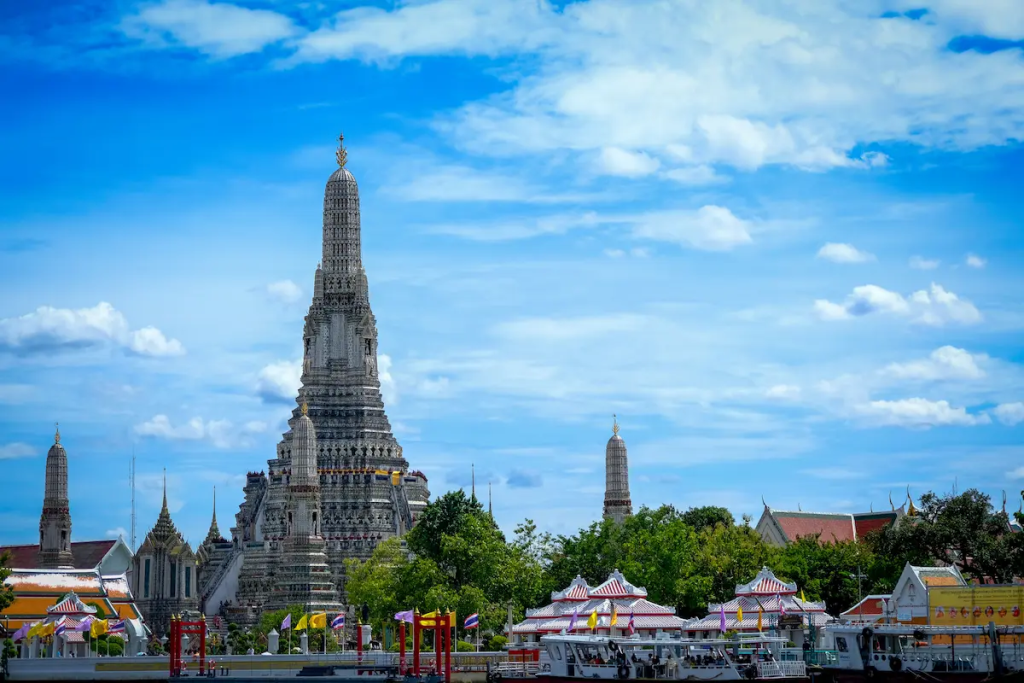
Standing majestically on the western bank of the Chao Phraya River, Wat Arun is one of Thailand’s most recognisable landmarks and an enduring symbol of Bangkok. Its magnificent central prang, rising more than 70 metres above the river, is decorated with millions of pieces of colourful porcelain and intricate floral patterns that sparkle in the sunlight.
Originally dating back to the Ayutthaya period, the temple has become renowned for its distinctive Khmer-inspired architecture, which sets it apart from many other temples throughout Thailand. Visitors can explore the beautifully maintained grounds, admire the remarkable craftsmanship and enjoy sweeping views across the river towards the Grand Palace and Bangkok’s historic district.
Whether admired from the river, photographed at sunrise or illuminated after dark, Wat Arun is one of Thailand’s most iconic temples and an essential stop for anyone wanting to experience the country’s extraordinary architectural heritage.
3. Wat Pho (Temple of the Reclining Buddha), Bangkok
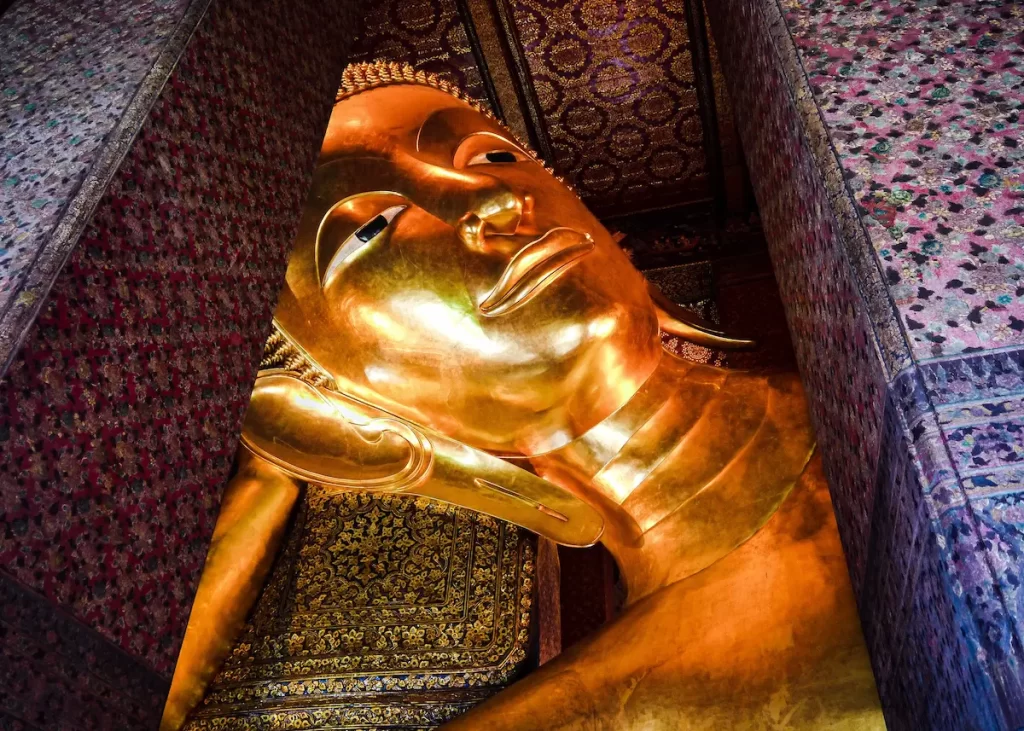
Home to the famous Reclining Buddha, Wat Pho is one of Thailand’s oldest and most revered temples. Located just south of the Grand Palace, the temple is renowned for its enormous 46-metre-long golden Buddha statue, which symbolises the Buddha’s passing into Nirvana and ranks among the country’s most impressive religious artworks.
Beyond the Reclining Buddha, Wat Pho is a vast temple complex filled with beautifully decorated halls, ornate chedis, peaceful courtyards and hundreds of Buddha images. The temple is also recognised as the birthplace of traditional Thai massage and remains an important centre for learning, with visitors able to experience authentic massage techniques that have been practised for generations.
Combining spiritual significance, remarkable architecture and an important place in Thailand’s cultural history, Wat Pho is one of the country’s most iconic temples and a highlight of any visit to Bangkok.
4. Wat Rong Khun (White Temple), Chiang Rai
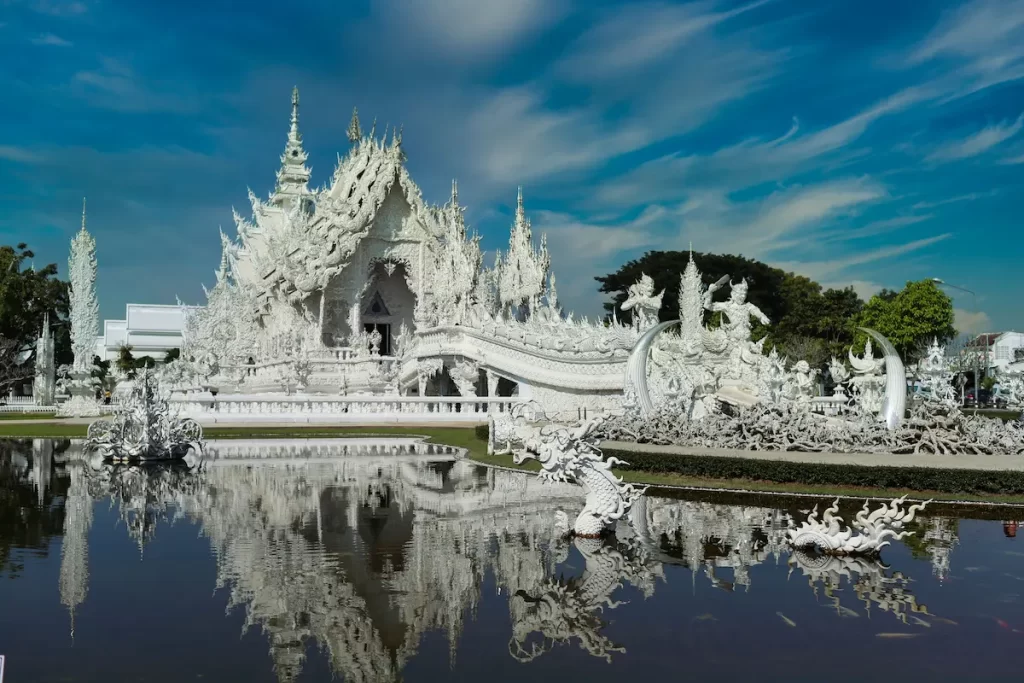
Unlike Thailand’s centuries-old temples, Wat Rong Khun—better known as the White Temple—is a contemporary masterpiece that has become one of the country’s most iconic landmarks. Designed by renowned Thai artist Chalermchai Kositpipat, the temple blends traditional Buddhist symbolism with modern artistic expression to create a truly unique visitor experience.
Its brilliant white exterior, shimmering mirrored details and intricate sculptures make it one of the most photographed temples in Thailand. Inside, visitors will discover striking murals that combine Buddhist teachings with contemporary imagery, encouraging reflection on modern society while remaining deeply rooted in Buddhist philosophy.
Although relatively new, the White Temple has earned its place among Thailand’s most recognisable temples, offering a fascinating contrast to the country’s ancient religious sites and demonstrating that Thai temple architecture continues to evolve in remarkable ways.
5. Wat Phra That Doi Suthep, Chiang Mai
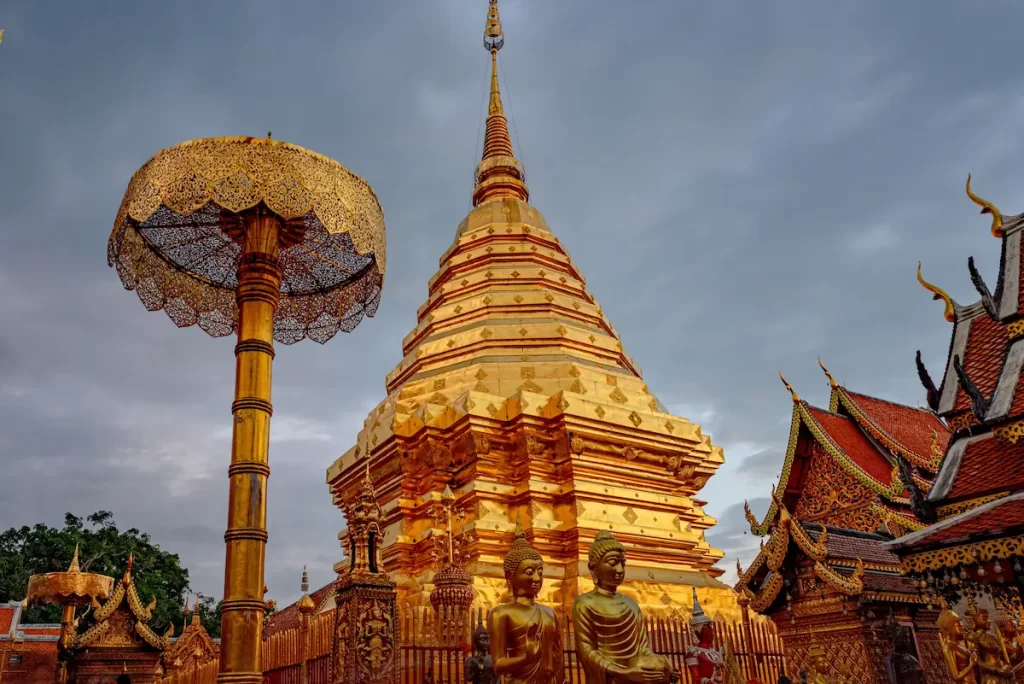
Perched high on the slopes of Doi Suthep overlooking Chiang Mai, Wat Phra That Doi Suthep is one of Northern Thailand’s most revered temples and among the country’s most iconic religious landmarks. According to tradition, the temple was founded in the 14th century after a sacred relic of the Buddha was carried to the mountaintop by a white elephant, which stopped at the site before passing away.
Visitors ascend the famous staircase flanked by ornate naga serpents to reach the temple complex, where a magnificent golden chedi, beautifully decorated shrines and intricate Lanna architecture create a peaceful and inspiring atmosphere. The elevated location also provides breathtaking panoramic views across Chiang Mai and the surrounding mountains.
Combining spiritual importance, remarkable architecture and one of the finest viewpoints in Northern Thailand, Wat Phra That Doi Suthep is an unforgettable temple and an essential part of any visit to Chiang Mai.
6. Wat Mahathat, Ayutthaya
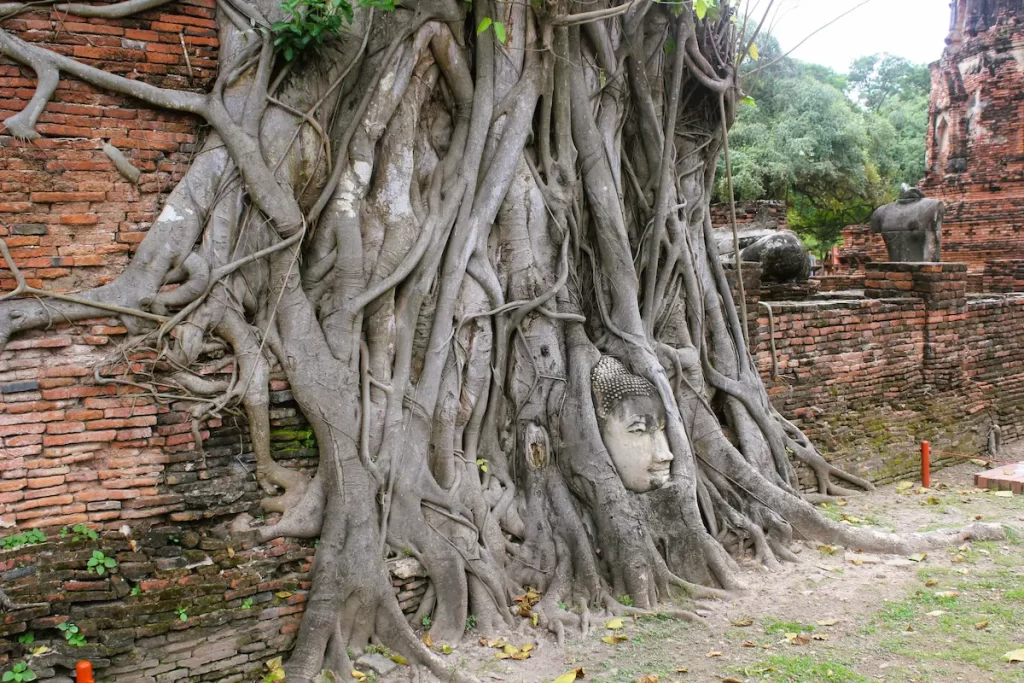
Located within the ancient city of Ayutthaya, Wat Mahathat is one of Thailand’s most famous historical temples and a powerful reminder of the country’s rich past. Built during the height of the Ayutthaya Kingdom, the temple once stood at the heart of one of Southeast Asia’s greatest capitals before much of the city was destroyed in the 18th century.
Today, visitors explore the atmospheric ruins of towering prangs, weathered stone Buddha images and ancient brick foundations that tell the story of a remarkable civilisation. The temple is especially famous for the serene sandstone Buddha head entwined within the roots of a banyan tree, one of the most photographed and recognisable images in Thailand.
As one of the country’s most significant archaeological sites, Wat Mahathat offers a fascinating combination of history, spirituality and architectural beauty, making it an essential stop for anyone exploring Ayutthaya.
7. Wat Chaiwatthanaram, Ayutthaya
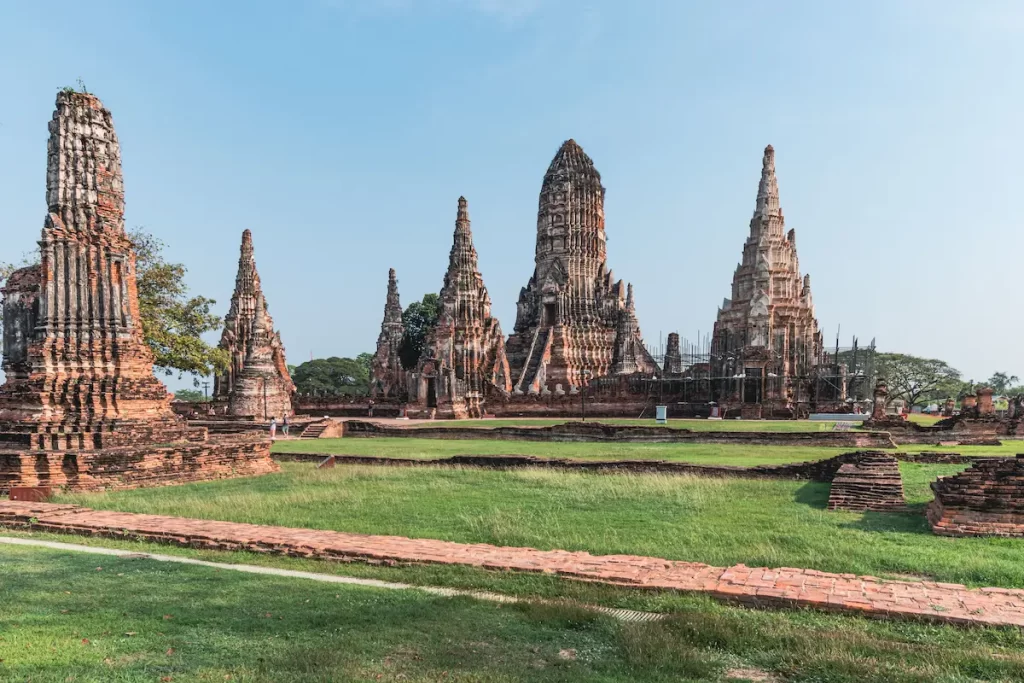
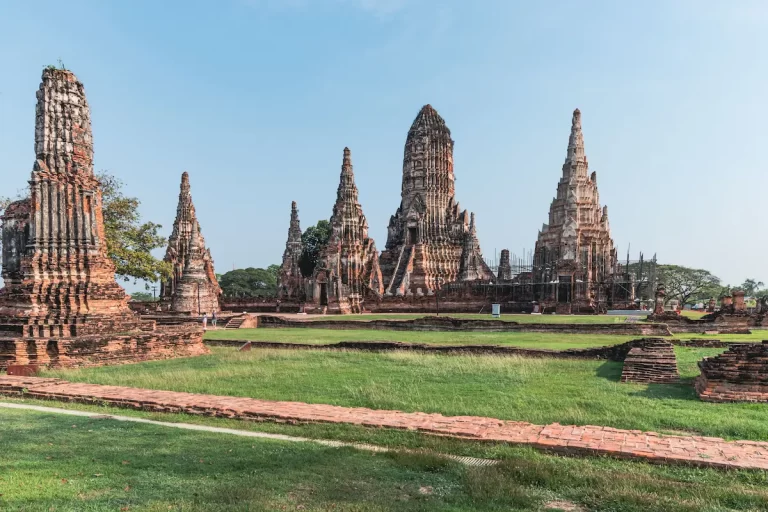
Standing gracefully on the banks of the Chao Phraya River, Wat Chaiwatthanaram is one of the most impressive temple complexes within Ayutthaya Historical Park. Built in 1630 during the reign of King Prasat Thong, the temple was inspired by Khmer architecture and served as an important royal monastery during the height of the Ayutthaya Kingdom.
Its magnificent central prang, surrounded by smaller towers and beautifully preserved galleries, creates one of Thailand’s most striking historical landscapes. Although now an archaeological site, the temple’s elegant symmetry and riverside setting continue to captivate visitors and photographers alike, particularly during sunrise and sunset.
Combining historical significance, remarkable architecture and a peaceful atmosphere, Wat Chaiwatthanaram is one of Thailand’s most iconic temple ruins and a highlight of any visit to Ayutthaya.
8. Sanctuary of Truth, Pattaya
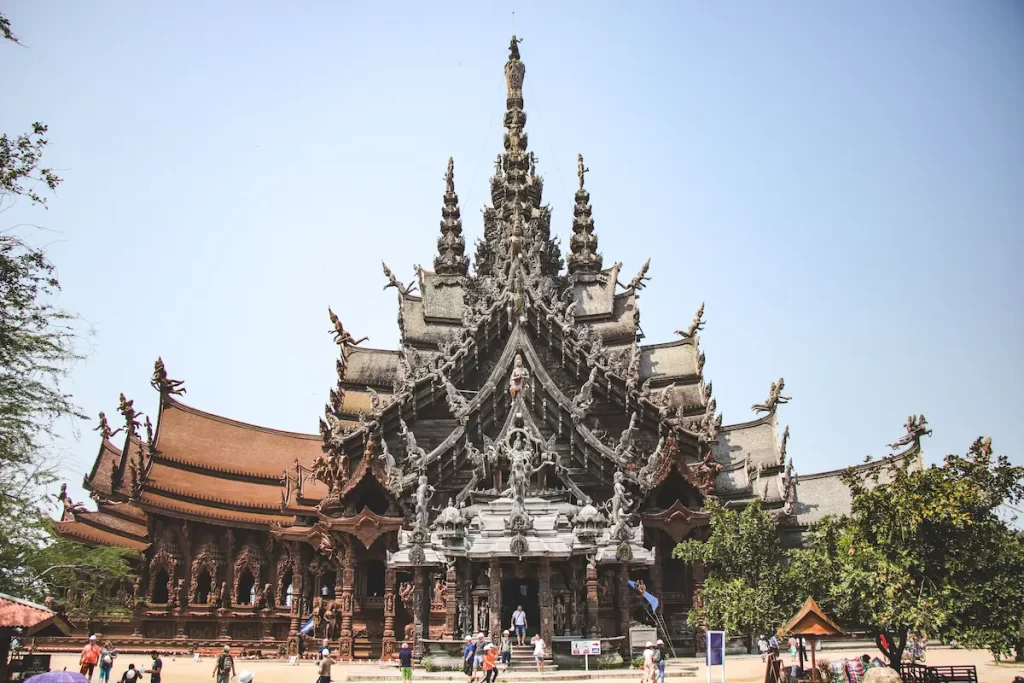
Unlike any other temple-like structure in Thailand, the Sanctuary of Truth is an extraordinary handcrafted wooden monument that celebrates philosophy, spirituality and traditional craftsmanship. Although it is not an active Buddhist temple, it has become one of Thailand’s most iconic cultural landmarks and is often included alongside the country’s great religious sites because of its profound spiritual themes.
Constructed entirely from wood without the use of metal nails, the sanctuary is covered with thousands of intricate carvings depicting Buddhist and Hindu beliefs, mythology and the relationship between humanity, nature and the universe. Every surface showcases the remarkable skill of Thai artisans, and the structure continues to evolve as new carvings are added.
Whether you’re interested in architecture, philosophy or Thai culture, the Sanctuary of Truth offers a unique and inspiring experience that stands apart from any other attraction in Thailand.
9. Wat Rong Suea Ten (Blue Temple), Chiang Rai
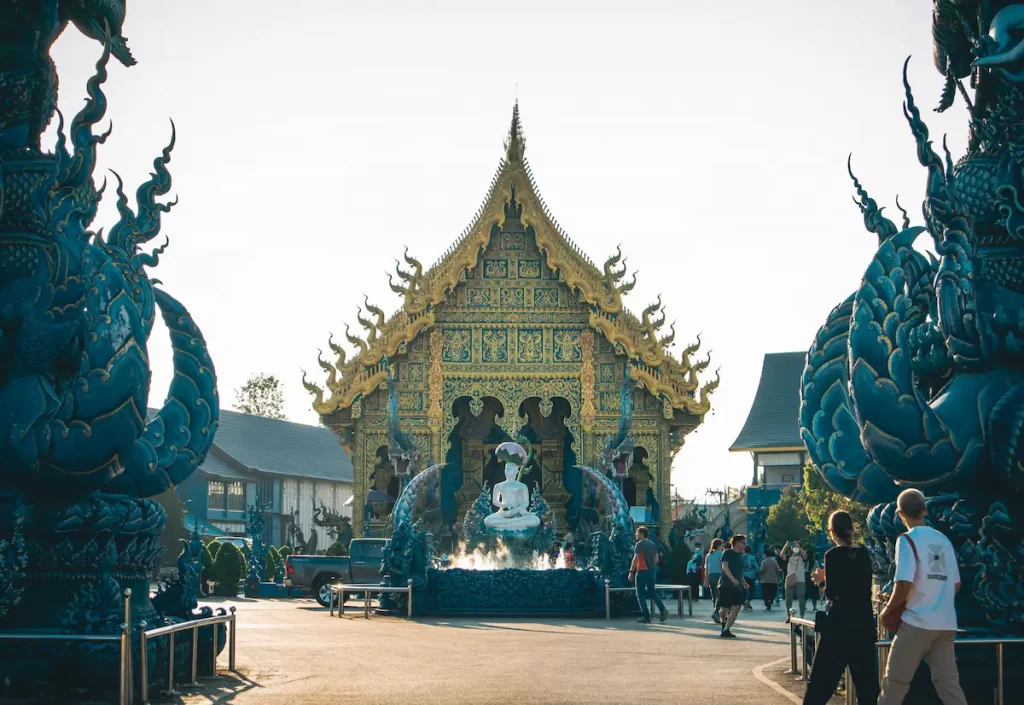
Known for its striking sapphire-blue exterior and intricate contemporary design, Wat Rong Suea Ten—commonly known as the Blue Temple—is one of Thailand’s most visually stunning places of worship. Completed in 2016, the temple combines traditional Buddhist architecture with modern artistic influences, creating a remarkable contrast to many of the country’s ancient temples.
The richly decorated interior is dominated by a magnificent white Buddha image set against vivid blue walls adorned with elaborate murals and detailed carvings. Every element has been carefully designed to create a sense of peace and wonder while reflecting Buddhist teachings through colour, light and symbolism.
Although much newer than many of Thailand’s historic temples, the Blue Temple has quickly become one of Chiang Rai’s most iconic landmarks and a must-visit destination for travellers interested in architecture, photography and contemporary Buddhist art.
10. Wat Phra That Lampang Luang, Lampang
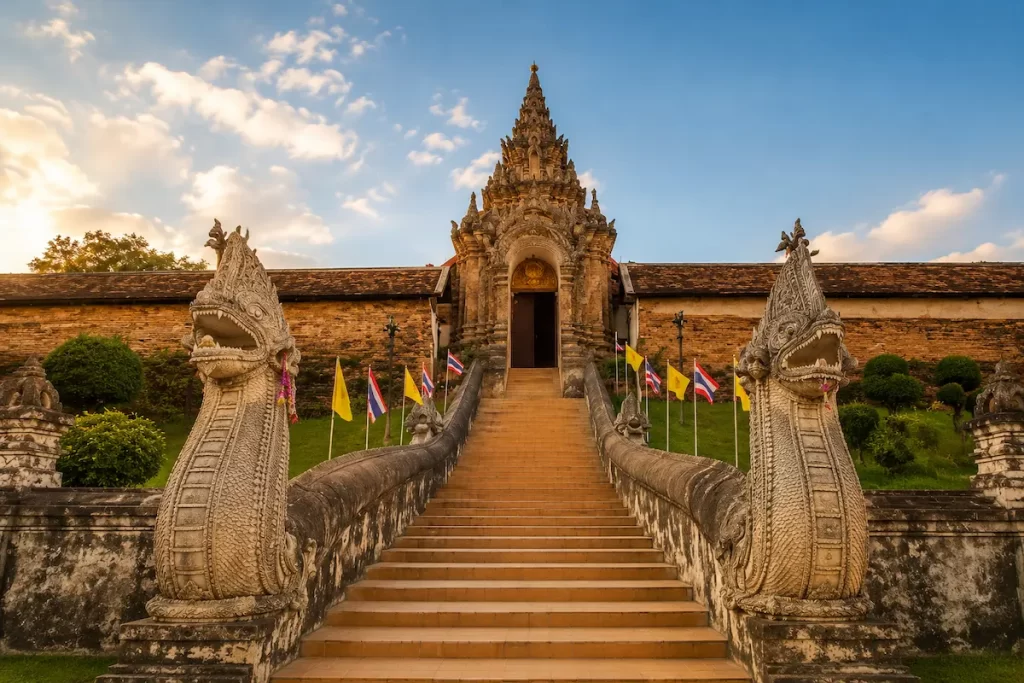
Widely regarded as one of the finest surviving examples of traditional Lanna architecture, Wat Phra That Lampang Luang is one of Northern Thailand’s most important and best-preserved Buddhist temples. Dating back to the 13th century, the temple has retained much of its original character, offering visitors a rare glimpse into the architectural style of the ancient Lanna Kingdom.
Surrounded by fortified walls, the temple complex features beautifully crafted wooden buildings, ornate gateways, elegant viharns and a magnificent golden chedi that enshrines sacred Buddhist relics. The peaceful atmosphere and exceptional state of preservation make it feel very different from many of Thailand’s larger tourist sites.
Rich in history, spirituality and architectural significance, Wat Phra That Lampang Luang is a fitting addition to any list of Thailand’s most iconic temples and offers visitors the opportunity to experience one of the country’s true cultural treasures.
Conclusion
With tens of thousands of Buddhist temples spread across Thailand, no single list can ever capture the country’s extraordinary spiritual and cultural heritage. From magnificent royal temples and ancient archaeological sites to peaceful mountain monasteries and remarkable modern masterpieces, every temple offers its own unique story and place within Thailand’s rich Buddhist tradition.
The temples featured in this guide have earned their place not because they are objectively the “best,” but because they are widely regarded as some of the best temples in Thailand to visit. Together, they showcase the remarkable diversity of Thai temple architecture, history and spirituality while providing visitors with an unforgettable insight into one of the world’s great Buddhist nations.
Discover Thailand’s Destinations
Many of Thailand’s most iconic temples are just one highlight within destinations that offer so much more to explore. Visit our Thailand Destinations Hub to discover where these temples are located and learn what else each destination has to offer.
If you’re still deciding where to visit, read Where to Go in Thailand: Choosing the Right Region for Your Trip to compare Thailand’s diverse regions and plan the perfect itinerary for your journey.
Related Reading
Continue exploring Thailand with these helpful guides:
- Thailand Destinations Hub – Discover destinations across Thailand and explore where these iconic temples are located.
- Where to Go in Thailand: Choosing the Right Region for Your Trip – Compare Thailand’s regions and find the destination that best suits your travel style.
- Must-See Attractions in Thailand – Explore Thailand’s most iconic attractions, from historic landmarks and national parks to tropical islands.
- Why Visit Thailand? – Discover why Thailand continues to be one of the world’s most popular holiday destinations.
Frequently Asked Questions
How many Buddhist temples are there in Thailand?
According to the National Office of Buddhism, Thailand has 44,195 officially registered Buddhist temples. They range from small village temples and forest monasteries to magnificent royal temple complexes and historic landmarks found throughout the country.
What is the most sacred temple in Thailand?
Wat Phra Kaew (Temple of the Emerald Buddha) in Bangkok is widely regarded as Thailand’s most sacred Buddhist temple. Located within the Grand Palace, it houses the revered Emerald Buddha and plays an important role in the country’s royal and religious traditions.
What is the most famous temple in Thailand?
Several temples are considered iconic, including Wat Phra Kaew, Wat Arun, Wat Pho, Wat Rong Khun (the White Temple) and Wat Phra That Doi Suthep. Each is famous for its unique history, architecture and cultural significance.
Do I need to follow a dress code when visiting temples in Thailand?
Yes. Visitors should dress respectfully when entering Buddhist temples. Clothing should cover the shoulders and knees, hats should be removed before entering temple buildings, and shoes must be taken off before entering areas of worship.
Which temples should first-time visitors see in Thailand?
For first-time visitors, Wat Phra Kaew, Wat Arun and Wat Pho in Bangkok, together with Wat Phra That Doi Suthep in Chiang Mai and Wat Rong Khun in Chiang Rai, provide an excellent introduction to Thailand’s rich Buddhist heritage and diverse temple architecture.
About the Author
David Hibbins is a travel publisher, destination researcher and the creator of Travel With Insight.
Through years of travel, tourism and publishing projects across Southeast Asia, he has developed a particular interest in how travellers research destinations, compare experiences and make travel decisions.
His work focuses on helping travellers move beyond popularity rankings, marketing claims and generic “best of” lists by providing balanced, research-driven destination guides. Rather than telling people where they should travel, his goal is to help readers understand the strengths, limitations and unique character of each destination so they can choose the places that best match their own interests, travel style and goals.
As the creator of Travel With Insight, David researches destinations throughout Southeast Asia, exploring not only where travellers go, but why they choose certain places, how destinations differ and what creates genuinely memorable travel experiences.
His work covers destination research, regional travel planning, traveller behaviour and the decision-making frameworks that help people plan more rewarding journeys.
Explore More Travel Resources
Every great journey begins with informed decisions. The more you understand a destination before you arrive, the more rewarding your travel experience becomes.
Whether you’re still researching Southern Thailand or you’re ready to start planning your itinerary, these additional resources can help.
Travel With Insight
Continue exploring our in-depth destination guides, travel inspiration and practical planning advice designed to help you make informed travel decisions throughout Thailand and Southeast Asia.
Go Find Asia
Looking for even more travel inspiration? Go Find Asia explores destinations, experiences and travel ideas across Asia, helping you discover where to go, what to see and how to plan your next adventure.
Resurgence Travel
When you’re ready to turn your research into reality, Resurgence Travel offers curated itineraries, personalised travel planning and local expertise to help you experience the very best of Thailand and Southeast Asia.