

Is Patong Safe? A Practical Guide for Visitors
Patong is one of Thailand’s most popular beach destinations, welcoming millions of visitors from around the world each year. Despite its lively nightlife and busy streets, most travellers enjoy a safe and trouble-free holiday. Like any major international tourist destination, however, understanding the local environment and taking a few sensible precautions can make a significant difference to your experience.
While Thailand has earned a reputation for being welcoming and friendly, Patong attracts people from many different countries and backgrounds. Most safety issues are not the result of serious crime, but rather everyday situations such as busy roads, strong surf during the monsoon season, alcohol-related incidents or simply becoming distracted in unfamiliar surroundings. By knowing what to expect and staying aware of your environment, you can explore Patong with confidence and focus on enjoying everything the destination has to offer.
Quick Summary
Patong is generally a safe destination, and most visitors enjoy their holiday without experiencing any significant problems. Like any busy international tourist destination, however, understanding the most common risks and taking a few sensible precautions will help you explore with confidence. Here’s a quick overview of what you need to know before you go.
| If you’re concerned about… | What you should know |
|---|---|
| Overall safety | Patong is generally a safe destination, and most visitors enjoy a trouble-free holiday. |
| Crime | Serious crime involving tourists is uncommon. Staying aware of your surroundings and looking after your belongings is usually all that’s required. |
| Road safety | Traffic and scooter accidents present the greatest risk. Ride within your ability, wear a helmet and remain alert when walking near busy roads. |
| Beach safety | Swim only when conditions are safe, pay attention to warning flags and be cautious of rip currents during the monsoon season. |
| Nightlife | Patong’s nightlife is lively and generally safe. Drink responsibly, avoid confrontations and keep track of your spending throughout the evening. |
| Scams | Most local businesses are honest. Confirm prices in advance, choose reputable operators and document rental vehicles before leaving. |
| Health | Stay hydrated, protect yourself from the sun, use insect repellent where appropriate and ensure you have suitable travel insurance. |
Is Patong Safe Overall?
The short answer is yes. Patong is generally considered a safe destination for visitors, and the vast majority of travellers complete their holiday without experiencing any significant problems. From relaxing on the beach and exploring local markets to enjoying the nightlife or dining out, most visits are memorable for the right reasons rather than because of safety concerns.
That said, Patong is also one of Thailand’s busiest international tourist destinations. Millions of visitors arrive each year, bringing together people from many different countries, cultures and backgrounds. While local Thai people are widely known for their hospitality and friendliness, the behaviour you encounter in Patong isn’t limited to the local community. Like any busy tourist destination around the world, occasional theft, alcohol-fuelled confrontations and careless behaviour can occur. These situations are the exception rather than the norm, but they reinforce the importance of staying aware of your surroundings.
In reality, the biggest risks for most visitors have little to do with crime. Traffic, unfamiliar roads, riding scooters without experience, swimming in unsafe conditions during the monsoon season and making poor decisions after drinking are far more common causes of accidents or injuries. Understanding these risks and taking sensible precautions will do far more to keep you safe than worrying about serious crime.
The remainder of this guide looks at the situations visitors are most likely to encounter in Patong and offers practical advice to help you enjoy your stay safely and confidently.
Understanding the Real Risks
One of the biggest misconceptions about travelling to Patong is that crime is the greatest safety concern. In reality, most visitors who experience problems do so because of accidents, unfamiliar conditions or avoidable mistakes rather than deliberate criminal activity. Understanding where the genuine risks lie will help you make better decisions throughout your stay.
The most common safety concerns include road accidents involving scooters or pedestrians, swimming in unsafe sea conditions during the monsoon season, alcohol-related incidents in nightlife areas and opportunistic theft where valuables are left unattended. Adventure activities such as parasailing and jet skiing also carry some risk, making it important to choose reputable operators and follow all safety instructions.

Fortunately, these are largely situations that can be managed with a little awareness and common sense. The following sections explain each area in more detail and provide practical advice to help you stay safe while enjoying everything Patong has to offer.
Road Safety
For most visitors, road safety is the greatest risk in Patong. Busy streets, constant traffic and a mix of cars, tuk-tuks, scooters and tour vehicles can make the roads feel unfamiliar, particularly if you’re visiting from a country with different driving habits. While many people move around Patong without any problems, staying alert and understanding the local traffic environment is essential.
If you plan to hire a scooter, make an honest assessment of your riding experience before getting on the road. Many visitors have little or no experience riding motorcycles, yet choose to hire one because it’s a convenient way to explore the island. Combined with unfamiliar roads, different traffic patterns and the temptation to ride faster than conditions allow, this can quickly become dangerous. Wearing a properly fitted helmet, riding within your ability and avoiding alcohol before riding are simple steps that can significantly reduce your risk.
Pedestrians should also remain aware of their surroundings. While zebra crossings exist throughout Patong, don’t assume every vehicle will stop. Wait for traffic to slow before crossing, make eye contact with drivers where possible and continue watching for motorcycles that may be filtering between lanes. When walking along busy roads, keep a comfortable distance from the edge where footpaths allow, as larger vehicles and buses can sometimes pass surprisingly close.
Perhaps the most important piece of advice is simply to stay focused. It’s easy to become distracted while checking directions on your phone, taking photos or talking with friends, but even a momentary lapse in concentration can place you in the path of moving traffic. A little awareness goes a long way, and treating Patong’s roads with respect will help you enjoy your holiday safely.
Beach & Water Safety
Patong Beach is generally a safe place to swim and enjoy water activities, but conditions can change throughout the year. During the dry season, the sea is often calm and suitable for swimming, while the southwest monsoon can bring stronger waves and dangerous rip currents. Always pay attention to the beach warning flags and avoid entering the water when red flags are displayed, as they indicate hazardous conditions.

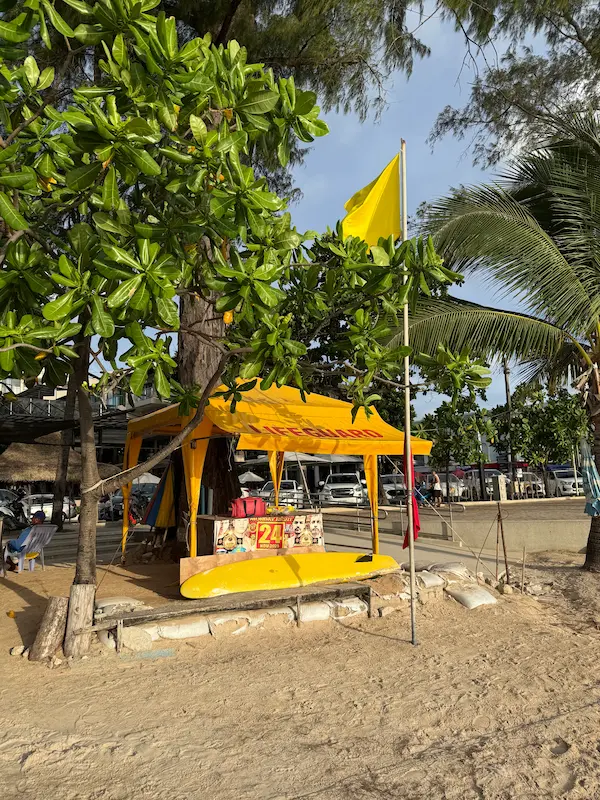
If you’re unfamiliar with rip currents, remember that they can be difficult to identify from the shore. A calm-looking channel between breaking waves may actually be moving water away from the beach. If you are caught in a rip current, try to remain calm, avoid swimming directly against it and signal for assistance if needed. Lifeguards patrol sections of Patong Beach during the busiest periods, and it’s always safest to swim where they are present.
Patong also offers a range of popular water activities, including jet skiing and parasailing. If you’re hiring a jet ski for the first time, let the operator know if you’re inexperienced. On days with slightly rougher conditions, you may find it easier and more enjoyable if the operator takes you beyond the breaking waves before you begin riding. Follow all instructions, wear the supplied safety equipment and never operate a jet ski after drinking alcohol.
Parasailing is another memorable experience, and operators have continued to improve their safety standards in recent years. However, like any adventure activity, it carries an element of risk. There have been isolated incidents involving equipment failures, so choose an established operator, pay attention during the safety briefing and don’t be afraid to ask questions if anything seems unclear before taking off.
Whether you’re swimming, riding a jet ski or enjoying another water activity, the same advice applies: respect the conditions, follow the guidance of trained operators and don’t let confidence outweigh common sense. A little caution will help ensure your time on Patong Beach is memorable for all the right reasons.
Nightlife Safety
Patong’s nightlife is one of its biggest attractions, drawing visitors from around the world to Bangla Road and the surrounding entertainment precinct. Most people enjoy a fun and memorable night out without any issues, and the atmosphere is generally lively rather than intimidating. As with any busy nightlife destination, however, alcohol can influence judgement and increase the likelihood of poor decisions.
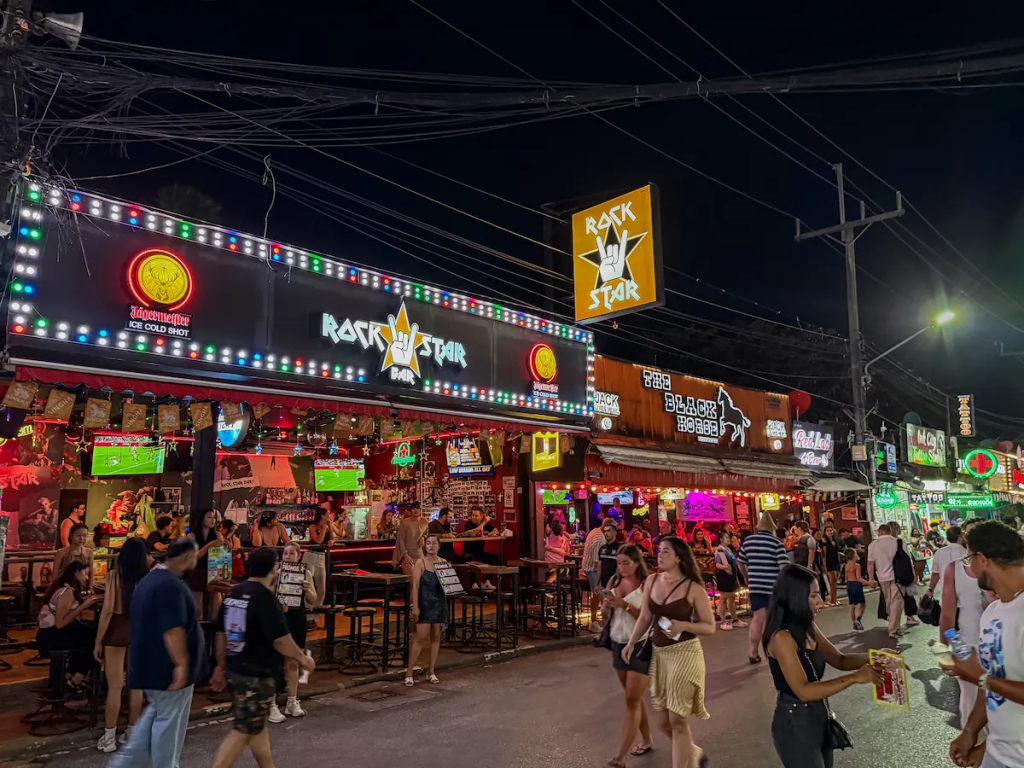
One of the simplest ways to stay safe is to know your limits. Drinking responsibly, staying with friends where possible and avoiding confrontations with intoxicated people can help prevent situations from escalating. While disagreements and alcohol-fuelled arguments do occasionally occur, they are relatively uncommon and are usually best avoided by simply walking away rather than becoming involved.
Many bars employ hostesses whose role is to encourage customers to buy drinks and spend more time in the venue. This is a normal part of Patong’s nightlife and isn’t something that should come as a surprise. If you choose to buy drinks for others, remember that the cost can add up quickly over the course of an evening. Keeping track of what you’ve ordered and checking your bill before paying is simply good practice, particularly in busy venues where genuine mistakes can sometimes happen.
The crowds on Bangla Road also provide an opportunity for opportunistic theft, particularly late at night when people may be distracted. Keep your phone, wallet and passport secure, avoid carrying large amounts of cash and be mindful of where you place your belongings. A cross-body bag or a secure front pocket is generally a better option than carrying valuables loosely or in a back pocket.
With a little common sense and awareness, there’s no reason not to enjoy Patong’s nightlife. Most visitors leave with nothing more than good memories, and by keeping an eye on your belongings, your spending and your surroundings, you’re well placed to do the same.
Looking After Your Valuables
Patong is generally an honest and welcoming destination, but as with any busy tourist area, it’s important to take sensible precautions with your belongings. Most visitors never experience theft during their stay, and when it does occur, it’s often opportunistic rather than carefully planned. Simple habits can significantly reduce the chances of becoming a victim.
When spending time at the beach, avoid leaving phones, wallets, cameras or other valuables unattended while you swim. If you’re travelling with others, take turns watching your belongings, or leave unnecessary valuables securely stored at your accommodation. The same advice applies when dining outdoors or relaxing at cafés, where bags and mobile phones can be easy targets if left unattended.
If you’ve hired a scooter, always remove the key when you park, even if you’re only stepping away for a few moments. Leaving the key in the ignition or valuables in the storage compartment creates an unnecessary opportunity. Locking the scooter and taking your belongings with you are simple precautions that take only a few seconds.
Busy areas such as Bangla Road, night markets and shopping centres also require a little extra awareness. Keep bags zipped, carry wallets and phones in secure pockets or a cross-body bag, and avoid displaying large amounts of cash. While most people around you are simply enjoying their holiday, remaining aware of your surroundings is one of the easiest ways to prevent problems.
Ultimately, looking after your valuables in Patong is no different to visiting any popular tourist destination around the world. A little common sense, combined with staying aware of your surroundings, is usually all that’s needed to enjoy a safe and worry-free holiday.
Common Tourist Scams
Like any popular tourist destination, Patong has occasional scams and misunderstandings. However, they are far less common than many online articles suggest. The overwhelming majority of hotels, restaurants, tour operators and local businesses work hard to provide a good experience for visitors, and most travellers complete their holiday without encountering any scams at all.
In many cases, what visitors describe as a “scam” is actually a misunderstanding about prices, services or existing damage. Before hiring a scooter, jet ski or rental car, take a slow video with your phone showing the entire vehicle from all angles, paying particular attention to any scratches, dents or other marks. This only takes a minute and provides a clear record of its condition before your rental begins. Most operators are honest, but minor damage can easily be overlooked, paperwork may not record every mark or different staff members may inspect the vehicle when it is returned. Having your own video helps avoid unnecessary disputes and protects both you and the operator.
It’s also worth confirming prices before agreeing to a service. Whether you’re booking a tour, hiring a vehicle or arranging transport, taking a moment to understand exactly what’s included and the total cost can prevent misunderstandings later. If something isn’t clear, simply ask before committing.
If you’re enjoying Patong’s nightlife, keep track of what you’ve ordered throughout the evening. Many bars employ hostesses whose role is to encourage customers to buy drinks, including drinks for the hostesses themselves. This is a normal part of Patong’s nightlife rather than a scam, but if you’re having a great night it’s easy to lose track of how much has been ordered. Checking your bill before paying is simply good practice and helps ensure you’re only paying for what you intended to purchase.
Overall, the best way to avoid problems in Patong is to stay informed rather than suspicious. Choosing reputable businesses, asking questions when you’re unsure and taking a few simple precautions will prevent the vast majority of misunderstandings, allowing you to relax and enjoy your holiday with confidence.
Health & Wellbeing
Most visitors stay healthy throughout their time in Patong, but the tropical climate, outdoor lifestyle and holiday atmosphere can present a few challenges, particularly for those who aren’t used to the heat. Taking a few simple precautions will help you stay comfortable and enjoy your trip.
The combination of high temperatures and humidity means dehydration can happen more quickly than many visitors expect. Drink plenty of water throughout the day, especially if you’re spending time on the beach, exploring on foot or enjoying Patong’s nightlife. Applying sunscreen regularly and seeking shade during the hottest part of the day will also help reduce the risk of sunburn and heat exhaustion.
Mosquitoes are present throughout Phuket, particularly during the wetter months and around dawn and dusk. While the risk to most travellers is low, using insect repellent and wearing light clothing in the evenings can help prevent bites and make your time outdoors more comfortable.
If you require medication, bring enough for your trip and keep it in its original packaging where possible. Patong has numerous pharmacies, many with knowledgeable staff who can assist with common ailments, while medical clinics and hospitals are readily available should you need professional treatment. Comprehensive travel insurance remains one of the best investments you can make before travelling, providing peace of mind should unexpected medical treatment or emergencies arise.
Finally, listen to your body. Holidays often involve long days, late nights and plenty of activity, so don’t underestimate the importance of rest, hydration and pacing yourself. Looking after your health will allow you to make the most of everything Patong has to offer.
Travel With Insight Perspective
After living in Patong for several years, one thing has become clear to me: the greatest safety risk isn’t the nightlife, scams or crime—it’s the roads.
Every year I see visitors hire scooters with little or no riding experience because it seems like the easiest and most enjoyable way to explore Phuket. Many underestimate how different the traffic can feel, from the constant flow of scooters and tuk-tuks to the driving habits that local road users have developed over many years. Add unfamiliar roads, holiday excitement and sometimes a little too much confidence, and it’s easy to understand why accidents happen.
This isn’t just a personal observation. The World Health Organization identifies road safety as a major public health challenge in Thailand, with one of the highest road traffic fatality rates in the world and motorcyclists, pedestrians and cyclists accounting for the majority of road deaths. Those statistics aren’t intended to discourage visitors from exploring Phuket—they’re simply a reminder that road safety deserves to be taken seriously.
My advice is simple. If you’re an experienced rider, wear a helmet, ride within your ability and stay alert. If you’re not confident on a scooter, don’t feel pressured to hire one just because it seems like the normal thing to do. Patong has plenty of alternatives, including taxis, tuk-tuks and ride-hailing services, and arriving safely is always better than taking unnecessary risks.
Overall, I consider Patong to be a safe destination and have found the local community to be welcoming and friendly. Most visitors will never experience a serious safety issue. In my experience, the people who have the safest and most enjoyable holidays are those who stay aware of their surroundings, make sensible decisions and remember that a little caution goes a long way.
Final Thoughts
Patong is one of Thailand’s most visited beach destinations, welcoming millions of travellers each year. While no destination is completely without risk, Patong is generally a safe place to visit, and most holidays pass without incident.
The key to staying safe isn’t avoiding Patong—it’s travelling with awareness. Respect local conditions, pay attention on the roads, follow beach safety advice and make sensible decisions, particularly around alcohol and nightlife. By taking a few simple precautions, you’ll be free to focus on what Patong does best: beautiful beaches, vibrant nightlife, great food and an unforgettable holiday experience.
Frequently Asked Questions
Is Patong safe for tourists?
Yes. Patong is generally considered a safe destination, and most visitors enjoy a trouble-free holiday. While minor issues such as opportunistic theft or misunderstandings can occasionally occur, serious crime involving tourists is uncommon. The biggest risks are usually related to road safety, swimming conditions and making sensible decisions during your stay.
Is Patong safe at night?
Yes, Patong is generally safe at night, including the popular Bangla Road entertainment area. As with any busy nightlife destination, remain aware of your surroundings, drink responsibly and avoid becoming involved in arguments or confrontations with intoxicated people. Looking after your belongings and travelling with friends late at night are also sensible precautions.
Is Patong safe for solo travellers?
Yes. Patong is a popular destination for solo travellers, and many people visit without any problems. Staying aware of your surroundings, using reputable transport and taking the same sensible precautions you would in any unfamiliar destination will help you enjoy a safe trip.
Is Patong safe for families?
Yes. Families visit Patong throughout the year and generally have a safe and enjoyable experience. While Bangla Road is best avoided with young children late at night, Patong Beach, shopping centres, restaurants and many attractions are family-friendly. Parents should take extra care around busy roads and supervise children when swimming.
Is it safe to hire a scooter in Patong?
Hiring a scooter can be a convenient way to explore Phuket, but it also carries the greatest safety risk for many visitors. Only hire a scooter if you’re confident riding one, always wear a helmet and never ride after drinking alcohol. If you’re inexperienced, taxis, tuk-tuks and ride-hailing services are often the safer option.
Is it safe to swim at Patong Beach?
Yes, provided conditions are suitable. During the dry season the beach is often calm, while the southwest monsoon can create strong waves and dangerous rip currents. Whenever possible, swim between the red and yellow flags where lifeguards have identified the safest area for swimming. Always obey the beach warning flags and never enter the water when red flags are displayed.
Are scams common in Patong?
No. While occasional scams and misunderstandings do occur, they are far less common than many online articles suggest. Most local businesses operate honestly and rely on positive visitor experiences. Confirming prices in advance, using reputable operators and checking your bill before paying are simple habits that help avoid problems.
Make the Most of Your Time in Patong
Choosing where to eat is just one part of planning a memorable stay in Patong. From finding the right beach and choosing the best area to stay, to discovering local attractions, viewpoints and practical travel tips, our guides are designed to help you make informed decisions and get the most from your time in Phuket.
Start by exploring our Patong Travel Guide, where you’ll find everything you need to plan your visit. If you’re travelling beyond Patong, continue to our Phuket Travel Guide for destination guides, beaches, attractions and travel advice covering the island’s most popular places.
Related Reading
Continue planning your Patong holiday with these practical travel guides:
- Patong Travel Guide – Everything you need to know before visiting Patong, including where to stay, things to do, beaches, transport and local insights.
- Getting Around Patong – Learn the best ways to travel around Patong, from walking and tuk-tuks to taxis, ride-hailing apps and scooter hire.
- Patong Beaches Guide – Discover Patong Beach, Freedom Beach, Tri Trang Beach and other nearby beaches to find the one that suits your style.
- Where to Stay in Patong – Compare Patong’s different neighbourhoods and accommodation options to find the best area for your trip.
About the Author
David Hibbins is a travel publisher, destination researcher and the creator of Travel With Insight.
Through years of travel, tourism and publishing projects across Southeast Asia, he has developed a particular interest in how travellers research destinations, compare experiences and make travel decisions.
His work focuses on helping travellers move beyond popularity rankings, marketing claims and generic “best of” lists by providing balanced, research-driven destination guides. Rather than telling people where they should travel, his goal is to help readers understand the strengths, limitations and unique character of each destination so they can choose the places that best match their own interests, travel style and goals.
As the creator of Travel With Insight, David researches destinations throughout Southeast Asia, exploring not only where travellers go, but why they choose certain places, how destinations differ and what creates genuinely memorable travel experiences.
His work covers destination research, regional travel planning, traveller behaviour and the decision-making frameworks that help people plan more rewarding journeys.
Explore More Travel Resources
Every great journey begins with informed decisions. The more you understand a destination before you arrive, the more rewarding your travel experience becomes.
Whether you’re still researching Southern Thailand or you’re ready to start planning your itinerary, these additional resources can help.
Travel With Insight
Continue exploring our in-depth destination guides, travel inspiration and practical planning advice designed to help you make informed travel decisions throughout Thailand and Southeast Asia.
Go Find Asia
Looking for even more travel inspiration? Go Find Asia explores destinations, experiences and travel ideas across Asia, helping you discover where to go, what to see and how to plan your next adventure.
Resurgence Travel
When you’re ready to turn your research into reality, Resurgence Travel offers curated itineraries, personalised travel planning and local expertise to help you experience the very best of Thailand and Southeast Asia.