Swimming at Patong Beach: Is It Safe?
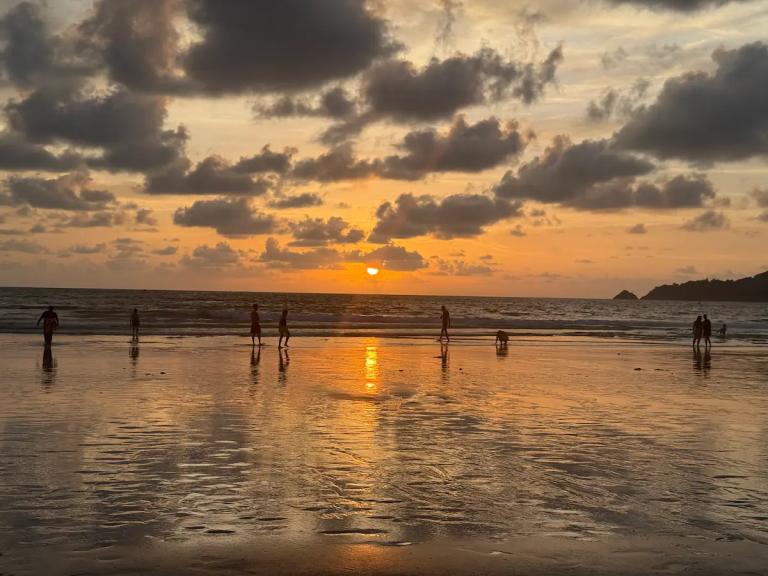
Patong Beach is one of Phuket’s most popular beaches for swimming, attracting thousands of visitors each day who come to enjoy its warm water, long sandy shoreline and convenient location in the heart of Patong. During much of the year, conditions are ideal for a relaxing swim, making it a favourite destination for families, couples and beach lovers alike.
Like any ocean beach, however, swimming conditions can change quickly. Seasonal weather, waves, rip currents and marine life all play an important role in determining when it is safe to enter the water. Understanding the beach flag system, swimming within lifeguard-patrolled areas and recognising changing conditions can significantly reduce the risks while helping you enjoy the beach with confidence.
This guide explains when Patong Beach is best for swimming, how to recognise changing conditions, what the beach flags mean, the role of lifeguards, and the simple precautions that will help you stay safe throughout your visit.
Quick Summary
Swimming at Patong Beach is generally safe and enjoyable throughout much of the year, particularly during the dry season when the sea is often calm and clear. During the southwest monsoon, however, conditions can change quickly, making it essential to follow lifeguard advice and always check the beach flags before entering the water.
Whether you’re planning a quick swim or spending the entire day on the beach, understanding a few simple safety principles will help you enjoy Patong Beach while minimising unnecessary risks.
| Topic | Quick Advice |
|---|---|
| Swimming | Excellent during suitable weather and sea conditions. |
| Lifeguards | Usually on duty from around 8:30 am to 7:00 pm. Swim during patrol hours whenever possible. |
| Beach Flags | Always obey the beach flags before entering the water. |
| Swimming Areas | Roped zones separate swimmers from boats and jet skis but do not eliminate natural hazards. |
| Wet Season | Stronger waves and rip currents are more common during the southwest monsoon. |
| Marine Life | Jellyfish and marine stingers are occasionally reported after periods of rough weather. |
| Sun Safety | UV levels are extremely high year-round. Wear sunscreen, stay hydrated and seek shade regularly. |
Is Patong Beach Good for Swimming?
Yes. Patong Beach is one of Phuket’s most popular swimming beaches and, for much of the year, offers excellent conditions for visitors wanting to cool off in the Andaman Sea. Its long sandy shoreline, gently sloping beach and warm tropical water make it suitable for everything from a refreshing swim to simply relaxing in the shallows.
During the dry season, the sea is often calm, with smaller waves and clearer water creating ideal swimming conditions. Families, couples and solo travellers regularly enjoy the beach throughout the day, particularly during the morning and late afternoon when temperatures are a little more comfortable.
Swimming conditions can change significantly during the southwest monsoon, however. Larger waves, stronger currents and occasional rip currents are more common, meaning visitors should pay close attention to the beach flags and any advice provided by the lifeguards before entering the water.
It’s also important to remember that sea conditions can change throughout the day. A beach that appears calm in the morning may become considerably rougher during the afternoon, particularly if the weather changes. Before entering the water, take a few moments to observe the waves, locate the nearest lifeguard station and check the current beach flag.
Fortunately, Patong Beach has an experienced lifeguard service, designated swimming areas and clear safety signage to help visitors enjoy the water safely. By following a few simple precautions and respecting changing conditions, most visitors can enjoy a safe and memorable swimming experience.
Where Is the Best Place to Swim?
Although swimming is possible along much of Patong Beach when conditions are suitable, the central and northern sections are generally the best choices for most visitors. These areas typically have larger designated swimming zones, good lifeguard coverage and fewer commercial water sports operating close to the shoreline, creating a more relaxed swimming environment.
The southern end of Patong Beach also offers enjoyable swimming, but visitors should be more aware of the increased activity from jet skis, parasailing boats and other motorised water sports. While designated swimming areas help separate swimmers from these activities, the beach can feel busier, particularly during the middle of the day.
Wherever you choose to swim, always enter the water within the designated patrol area marked by the red and yellow lifeguard flags. These areas are selected to provide the safest available swimming conditions while helping to keep swimmers separated from boats and other watercraft.
If you’re visiting Patong Beach for the first time, the central and northern sections are generally the best places to start. They combine good swimming conditions with convenient access to lifeguards, beach facilities and the wide sandy areas that make Patong Beach one of Phuket’s most popular destinations.
Lifeguards & Beach Safety
Patong Beach is patrolled by trained lifeguards who play an important role in keeping one of Phuket’s busiest beaches safe. Beyond responding to emergencies, they continuously assess sea conditions, monitor changing weather, identify hazards such as rip currents and marine life, update the beach flags and provide advice to swimmers throughout the day.
Lifeguards are typically on duty from around 8:30 am until 7:00 pm, although these times may vary depending on the season and operational requirements. Whenever possible, plan your swim during these patrol hours, when trained assistance is immediately available if conditions change unexpectedly.
Before entering the water, take a few moments to locate the nearest lifeguard station and check the current beach flags. If you’re unsure whether conditions are suitable for swimming, simply ask a lifeguard. They have the most up-to-date information on wave conditions, rip currents, marine stingers, weather changes and any other safety concerns affecting the beach that day.
Patong Beach also has designated swimming areas marked by floating ropes and the familiar red and yellow lifeguard patrol flags. These areas are chosen to provide the safest available places to swim while helping separate swimmers from jet skis, parasailing boats and other motorised watercraft.
It’s important to remember, however, that these designated swimming areas do not eliminate natural hazards. The ropes are designed to separate swimmers from boat traffic—they do not stop waves, rip currents or changing sea conditions. Even when swimming within the designated patrol area, always pay attention to the beach flags and follow any advice given by the lifeguards.
Understanding the Beach Flags
One of the simplest ways to stay safe at Patong Beach is to check the beach flags before entering the water. The flags are continuously monitored and updated by the lifeguards to reflect changing sea conditions, making them the most reliable guide to whether it is safe to swim on any particular day.
Visitors to Patong Beach may notice that green flags are less commonly displayed than at some quieter beaches. While swimming conditions are often excellent, Patong is a busy recreational beach with changing sea conditions and commercial water sports operating along the shoreline. Rather than waiting for a green flag, always look for the designated lifeguard patrol area, check the current warning flags and follow any advice provided by the lifeguards.
🟢 Green Flag – Generally Safe Conditions
A green flag indicates that conditions are generally favourable for swimming. Although these flags may occasionally be displayed, they are seen less frequently than other beach flags at Patong. Even when a green flag is flying, always swim within the designated patrol area and remain aware of changing sea conditions.
🟡 Yellow Flag – Exercise Caution
A yellow flag means extra care is required. Conditions may include stronger waves, currents or reduced visibility. A yellow flag does not necessarily mean swimming is prohibited, but visitors should exercise caution, remain within the designated patrol area and follow any instructions from the lifeguards. Children and inexperienced swimmers should stay close to shore.
🔴 Red Flag – Do Not Swim
A red flag indicates that conditions are considered unsafe for swimming. This may be due to dangerous surf, powerful rip currents, severe weather or other significant hazards. Entering the water during a red flag places both you and anyone attempting a rescue at unnecessary risk.
🟡🔴 Red and Yellow Patrol Flags
The paired red and yellow flags mark the area supervised by the lifeguards and indicate the safest place to swim when conditions allow. These patrol areas are chosen to help separate swimmers from jet skis, parasailing boats and other motorised watercraft.
It’s important to remember that the patrol area and floating ropes do not eliminate natural hazards such as rip currents, waves or changing sea conditions. Always treat the beach flags and the advice of the lifeguards as your primary guide to whether it is safe to enter the water.
If you’re ever unsure about the conditions, simply ask the nearest lifeguard. They have the latest information on sea conditions, marine life and any other safety issues affecting Patong Beach that day and are always happy to help.
Seasonal Swimming Conditions
Swimming conditions at Patong Beach vary throughout the year, with the biggest differences occurring between Phuket’s dry season and southwest monsoon. Understanding these seasonal changes will help you choose the best time to swim and better appreciate why lifeguards sometimes change the beach flags from one day to the next.
Dry Season (Approximately November to April)
The dry season generally provides Patong Beach’s best swimming conditions. The sea is often calmer, waves are smaller and water clarity is usually at its best, making this the most popular time for families and visitors looking to enjoy a relaxed swim.
Although conditions are often favourable, it’s still important to check the beach flags before entering the water. Weather can change quickly, and occasional stronger winds or waves may still affect swimming conditions.
Southwest Monsoon (Approximately May to October)
During the southwest monsoon, sea conditions become more unpredictable. Stronger winds, larger waves and rip currents are more common, particularly when low-pressure systems move through the Andaman Sea. Water clarity may also reduce after periods of heavy rain or rough seas.
This doesn’t mean swimming is impossible throughout the wet season. Many days still offer enjoyable swimming conditions, particularly when the weather is settled. The key is to assess conditions each day rather than relying solely on the time of year.
During this period, pay particular attention to the beach flags, remain within the designated patrol areas and follow any instructions provided by the lifeguards. They continuously monitor changing conditions and are the best source of advice on whether it is safe to enter the water.
Marine Stingers & Jellyfish
Although encounters with marine stingers are relatively uncommon at Patong Beach, they can occasionally occur, particularly during the southwest monsoon or after periods of rough weather when changing sea conditions wash marine life closer to shore.
In recent years, Portuguese man o’ war (bluebottles), blue buttons and moon jellyfish have all been reported at Patong Beach and elsewhere along Phuket’s west coast. Most visitors will never encounter them, but it’s worth taking a moment to familiarise yourself with what they look like before entering the water.
If you see jellyfish or unfamiliar marine life floating in the water or washed up on the beach, avoid touching them and keep a safe distance. Remember that even a stranded Portuguese man o’ war can still deliver a painful sting long after it has washed ashore.
Patong’s lifeguards actively monitor reports of marine stingers and other beach hazards and will warn visitors whenever conditions require extra caution. If you notice marine stingers on the beach or in the water, let the nearest lifeguard know so they can assess the situation and, if necessary, warn other beach users.
If You Are Stung
If you are stung, leave the water immediately and seek assistance from the nearest lifeguard or beach safety station. Avoid rubbing the affected area and do not rinse it with fresh water, as this may make the sting worse. Lifeguards are trained to provide first aid for marine stings and may use vinegar where appropriate before arranging further medical assistance if required.
The photographs below show the marine stingers most occasionally encountered at Patong Beach. Spending a minute learning to recognise them is one of the simplest ways to avoid an unpleasant experience while enjoying the beach.
Is Patong Beach Clean?
Patong Beach is one of Thailand’s busiest beaches, welcoming millions of visitors each year. As with any popular tourist destination, occasional social media posts and news stories can raise concerns about beach cleanliness or water quality. While these reports often attract significant attention, they don’t always reflect the day-to-day conditions experienced by most visitors.
Maintaining Patong Beach is an ongoing effort. Local authorities regularly clean the beach to help keep the sand free of litter, while routine water quality monitoring is carried out throughout the year. Community volunteer groups also play an important role, with organised beach clean-up events regularly helping to remove litter and protect the coastline.
From time to time, visitors may notice unusual water colour or material floating near the shoreline. In several well-publicised cases, these events have been confirmed as naturally occurring plankton blooms rather than pollution. Although they can look concerning, they are a natural phenomenon and are different from sewage or chemical contamination.
Like any tropical beach, conditions can change after periods of heavy rainfall or rough seas. If local authorities identify a genuine water quality concern, appropriate warnings or advice will be issued. If you’re planning to swim and have any questions about the conditions on the day, the lifeguards are an excellent source of current information and will be happy to advise whether conditions are suitable.
Beach Safety Tips
Patong Beach is a safe and enjoyable destination for most visitors, and a few simple precautions will help ensure your day is memorable for all the right reasons.
Protect Yourself from the Sun
Patong’s location close to the equator means UV levels are extremely high throughout the year, and it’s unusual for the daily UV Index to fall below 10, even during the wet season. Combined with sunlight reflected from both the sea and the sand, fair-skinned visitors can begin to burn in as little as 10–15 minutes without adequate sun protection.
Apply a broad-spectrum, water-resistant sunscreen before heading to the beach and reapply it regularly, particularly after swimming. Wearing a hat and sunglasses, staying well hydrated and taking regular breaks in the shade will also help you stay comfortable throughout the day. During the middle of the day, the sand can become extremely hot, so sandals or thongs are useful when walking across the beach.
Be Aware of Parasailing Operations
Parasailing operates from several locations along Patong Beach throughout the day. If you’re walking along the shoreline, remain aware when a parasail is approaching to land. They often descend more quickly than many visitors expect, and the tow ropes can extend across the sand during the final stages of landing.
Ground attendants are usually present to manage the landing area, but if you’re unsure where the landing path is, simply pause for a few moments and allow the parasail to land before continuing along the beach.
Supervise Children at All Times
Even when the sea appears calm, children should always be closely supervised in and around the water. Waves and currents can change quickly, particularly during the southwest monsoon, so young children should remain within arm’s reach while swimming.
If You’re Unsure, Ask
If you have any concerns about swimming conditions, marine life, weather or water quality, speak to the nearest lifeguard before entering the water. They have the most up-to-date information on conditions that day and are always happy to help visitors enjoy the beach safely.
Travel With Insight
Patong Beach has become one of Phuket’s most popular beaches because, for much of the year, it offers excellent swimming conditions alongside the convenience of restaurants, cafés, beach facilities and a vibrant atmosphere. While it’s easy to focus on the occasional social media story about rough seas or marine life, the reality is that thousands of people safely enjoy the beach every day.
The difference is usually not luck—it’s awareness. Before entering the water, take a moment to check the beach flags, locate the nearest lifeguard, observe the sea conditions and choose one of the designated swimming areas. These simple habits take less than a minute but can make a significant difference to your safety.
Like any ocean beach, Patong deserves respect rather than fear. By understanding the conditions on the day and following the advice of the lifeguards, you can enjoy everything that makes Patong Beach one of Phuket’s most popular places to swim.
Final Thoughts
Swimming at Patong Beach is one of the highlights of visiting Phuket. With its warm tropical water, long sandy shoreline and vibrant atmosphere, it’s easy to see why millions of visitors choose to spend time here each year.
Like any ocean beach, however, conditions can change with the weather, tides and seasons. By understanding the beach flags, swimming during lifeguard patrol hours, staying within the designated swimming areas and taking a few simple precautions, most visitors can enjoy the beach safely and with confidence.
Whether you’re visiting for a quick swim, a full day on the sand or simply to enjoy the beautiful Andaman coastline, Patong Beach offers an enjoyable swimming experience for visitors who respect the sea and make informed decisions. A little awareness goes a long way towards ensuring your time at one of Phuket’s most famous beaches is memorable for all the right reasons.
Frequently Asked Questions: Swimming at Patong Beach
Is Patong Beach safe for swimming?
Yes. Patong Beach is generally a safe place to swim during suitable sea conditions. Lifeguards patrol much of the beach, designated swimming areas help separate swimmers from motorised watercraft, and beach flags provide important information about current conditions. Always check the flags and follow lifeguard advice before entering the water.
When is the best time to swim at Patong Beach?
The dry season, from approximately November to April, usually offers the calmest sea conditions and clearest water. Swimming is still possible on many days during the southwest monsoon, but visitors should pay close attention to beach flags and changing conditions.
What do the beach flags mean?
Beach flags indicate the current swimming conditions. Always check the flags before entering the water and follow any instructions from the lifeguards. Remember that the designated swimming areas protect swimmers from boats and jet skis but do not eliminate natural hazards such as waves or rip currents.
Are there lifeguards at Patong Beach?
Yes. Lifeguards patrol Patong Beach and are typically on duty from around 8:30 am to 7:00 pm, although patrol hours may vary. Whenever possible, swim while lifeguards are on duty.
Are jellyfish common at Patong Beach?
Most visitors will never encounter marine stingers while swimming at Patong Beach. However, Portuguese man o’ war, blue buttons and moon jellyfish are occasionally reported, particularly after rough weather during the southwest monsoon. If you see unfamiliar marine life in the water or washed ashore, avoid touching it and notify the nearest lifeguard.
Is Patong Beach suitable for children?
Yes, when conditions are suitable and children are closely supervised. Families should swim within the designated patrol areas, follow the beach flags and remain close to the lifeguard stations.
Is the water at Patong Beach clean?
Patong Beach is regularly cleaned, and local authorities routinely monitor water quality. Following periods of heavy rain or rough weather, conditions may vary, so if you have any concerns, check with the lifeguards or look for any official notices before entering the water.
Can you swim at Patong Beach all year round?
Swimming is possible throughout much of the year, although conditions vary considerably between the dry season and the southwest monsoon. Rather than relying on the season alone, always assess the conditions on the day, check the beach flags and follow the advice of the lifeguards.
Continue Exploring Patong
Ready to discover more of Patong? Start with our Patong Travel Guide, where you’ll find everything you need to plan your visit, from beaches and attractions to shopping, dining, accommodation and practical travel advice.
If you’re planning to explore beyond Patong, our Phuket Travel Guide will help you discover the island’s best beaches, cultural attractions, viewpoints and unforgettable day trips.
Related Reading
Patong Beach Visitor Guide – Discover everything you need to know about Phuket’s most famous beach, including facilities, activities and what to expect during your visit.
Things to Do in Patong – Explore Patong’s most popular attractions, activities and experiences beyond the beach.
Best Time to Visit Patong – Learn how Phuket’s seasons affect the weather, crowds, swimming conditions and outdoor activities.
Where to Eat in Patong – Discover Patong’s diverse dining scene, from authentic Thai street food to seafood restaurants and international cuisine.
About the Author
David Hibbins is a travel publisher, destination researcher and the creator of Travel With Insight.
Through years of travel, tourism and publishing projects across Southeast Asia, he has developed a particular interest in how travellers research destinations, compare experiences and make travel decisions.
His work focuses on helping travellers move beyond popularity rankings, marketing claims and generic “best of” lists by providing balanced, research-driven destination guides. Rather than telling people where they should travel, his goal is to help readers understand the strengths, limitations and unique character of each destination so they can choose the places that best match their own interests, travel style and goals.
As the creator of Travel With Insight, David researches destinations throughout Southeast Asia, exploring not only where travellers go, but why they choose certain places, how destinations differ and what creates genuinely memorable travel experiences.
His work covers destination research, regional travel planning, traveller behaviour and the decision-making frameworks that help people plan more rewarding journeys.
Explore More Travel Resources
Every great journey begins with informed decisions. The more you understand a destination before you arrive, the more rewarding your travel experience becomes.
Whether you’re still researching Southern Thailand or you’re ready to start planning your itinerary, these additional resources can help.
Travel With Insight
Continue exploring our in-depth destination guides, travel inspiration and practical planning advice designed to help you make informed travel decisions throughout Thailand and Southeast Asia.
Go Find Asia
Looking for even more travel inspiration? Go Find Asia explores destinations, experiences and travel ideas across Asia, helping you discover where to go, what to see and how to plan your next adventure.
Resurgence Travel
When you’re ready to turn your research into reality, Resurgence Travel offers curated itineraries, personalised travel planning and local expertise to help you experience the very best of Thailand and Southeast Asia.