
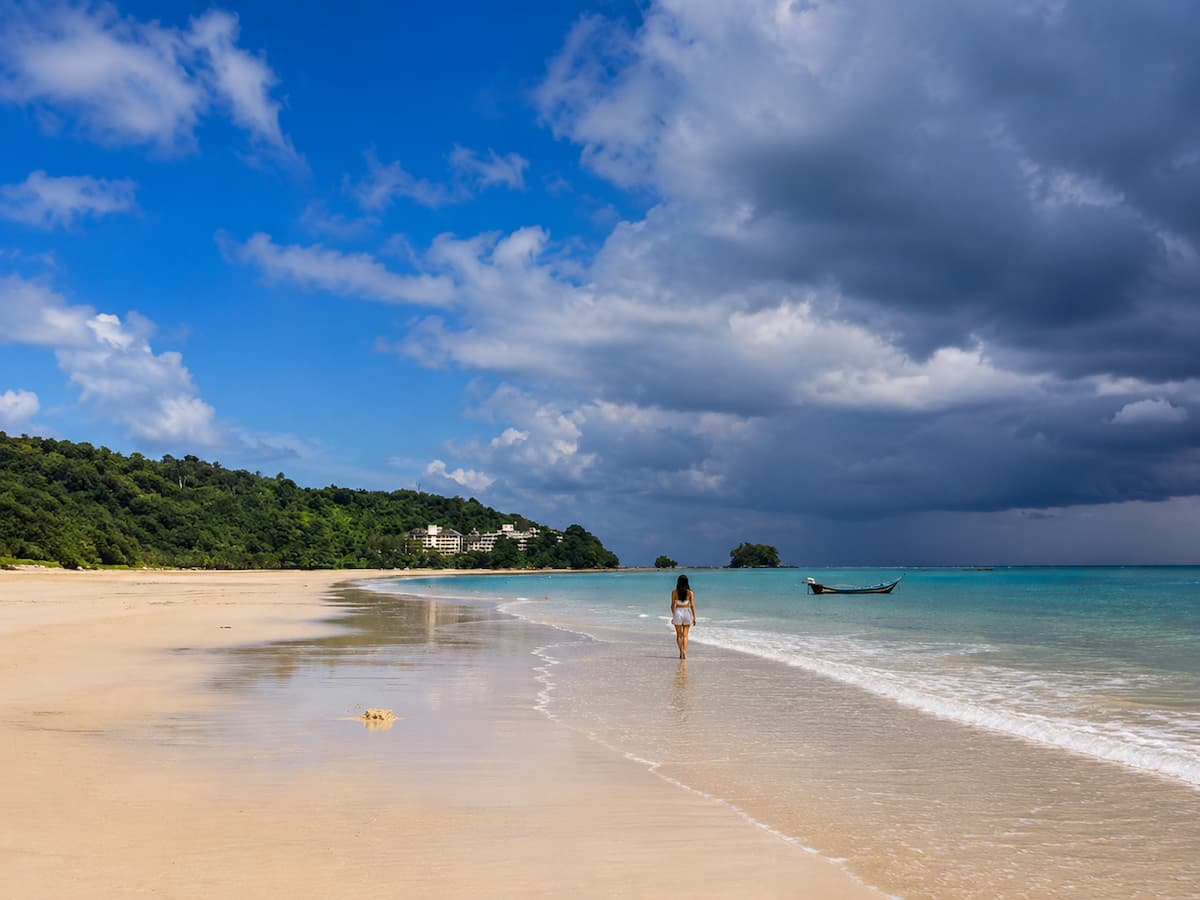
Best Time to Visit Southern Thailand
The best time to visit Southern Thailand depends on which side of the peninsula you plan to explore. Phuket, Krabi, Khao Lak and the islands of the Andaman Sea experience a different weather pattern from Koh Samui, Koh Phangan and Koh Tao in the Gulf of Thailand. A month that brings rough seas to one coast can still offer enjoyable beach conditions on the other.
For the most dependable weather across the region, January to March is generally the strongest period. However, the Andaman Coast is usually at its best from November to April, while the Gulf islands can remain a good choice from January through August. Rain can occur at any time, and even the wetter months often include bright periods, but sea conditions, boat reliability and seasonal attraction closures can affect a holiday more than the rainfall itself.
This guide explains the differences between Southern Thailand’s two coasts, compares conditions throughout the year and helps you choose either the best dates for your preferred destination or the best destination for the dates you already have.
Quick Summary: Best Time to Visit Southern Thailand
| Travel consideration | Recommended period |
|---|---|
| Best overall time | January to March |
| Best time for the Andaman Coast | November to April |
| Most dependable Andaman weather | December to March |
| Best time for the Gulf islands | January to August |
| Most dependable Gulf weather | February to April |
| Best time for lower prices and fewer visitors | May to June or September, depending on the coast |
| Best time for Khao Sok and inland exploration | January to April |
| Hottest period | March to May |
| Most difficult months for combining both coasts | October and November |
January to March offers the best chance of favourable conditions across both sides of Southern Thailand. If you are travelling from May to August, the Gulf islands—including Koh Samui, Koh Phangan and Koh Tao—will usually offer better seasonal odds than the Andaman Coast.
November generally marks the return of more dependable conditions around Phuket, Krabi and Khao Lak, while the Gulf Coast may be entering its wettest period. These patterns are useful for planning, but they are not guarantees. Short-term weather, sea conditions and local closures should always be checked before boat trips or visits to remote islands.
Why Southern Thailand Has Two Different Weather Patterns
Southern Thailand forms a long, narrow peninsula with the Andaman Sea to the west and the Gulf of Thailand to the east. Although the distance between the two coasts is relatively small, each side is exposed differently to the seasonal monsoons. This is why Phuket can be experiencing rough seas and frequent showers while Koh Samui is enjoying comparatively settled conditions.
The southwest monsoon has the greatest effect on the Andaman Coast from around May to October. Moist air moving across the Indian Ocean brings increased rainfall, stronger winds and rougher seas to destinations including Phuket, Khao Lak, Krabi and Koh Lanta. Rain does not necessarily continue throughout the day, but offshore excursions become less predictable and some marine attractions close during this period.
Later in the year, the northeast monsoon brings moisture across the Gulf of Thailand. Koh Samui, Koh Phangan and Koh Tao usually experience their heaviest and most persistent rainfall between October and December, although the timing and intensity vary each year. The lower eastern mainland, including Nakhon Si Thammarat, Songkhla and parts of the deep south, can also experience heavy rain and occasional flooding during this period.
Weather forecasts should therefore be interpreted locally rather than applied to all of Southern Thailand. Even within the same coastal region, rainfall can be highly localised, with sunshine in one area and heavy showers only a short distance away. More importantly for travellers, a forecast showing rain does not reveal whether the sea will be calm enough for ferries, speedboats, diving or island excursions.
Best Time to Visit Southern Thailand’s Andaman Coast
Southern Thailand’s Andaman Coast includes Phuket, Krabi, Khao Lak, Koh Phi Phi, Koh Lanta, the Trang islands, Koh Lipe and the Similan and Surin island groups. Although these destinations have local variations, they broadly share the same travel season.
November to April: The Main Andaman Travel Season
November to April generally offers the most favourable conditions for visiting the Andaman Coast. Rainfall becomes less frequent, the sea is usually calmer and boat services operate more reliably. This is the main season for beach holidays, island hopping, snorkelling and offshore diving.
December to March provides the strongest chance of settled conditions. Days are commonly sunny and warm, while calmer water makes longer speedboat journeys more comfortable. This is also the busiest and most expensive part of the year, particularly over Christmas, New Year and the weeks surrounding Chinese New Year.
November is a transitional month. Conditions often improve considerably as the southwest monsoon weakens, but unsettled weather can continue, especially during the first half of the month. April is normally suitable for coastal travel but becomes increasingly hot and humid, with a greater chance of showers as the month progresses.
May to October: Visiting During the Southwest Monsoon
The southwest monsoon usually affects the Andaman Coast from May to October. This does not mean it rains continuously for six months. There can be long bright periods and some beautiful beach days, but rainfall is more frequent, cloud cover increases and rough-sea periods become more likely.
From living in Phuket, I have found that the greatest limitation is not usually whether it rains for part of the day. It is the uncertainty surrounding sea conditions. A shower may pass quickly without disrupting a holiday, while strong winds and large waves can cancel a boat excursion even when there are periods of sunshine.
Phuket, Krabi, Khao Lak and other established mainland destinations remain open throughout the year. Travellers can benefit from lower hotel prices, fewer visitors and greener landscapes. However, some smaller island resorts reduce their services, ferry schedules become more limited and exposed beaches may be unsuitable for swimming. Red warning flags should always be taken seriously.
Several Andaman marine parks and remote islands also close seasonally. The Similan and Surin islands normally close during the southwest-monsoon period, while access to other protected islands, bays and dive sites may also be restricted. Exact dates can change, so current national-park notices should be checked before arranging a holiday around one particular excursion.
Best Andaman Months by Travel Style
| Travel style | Recommended period | Why |
|---|---|---|
| Beach holiday | December to March | More dependable sunshine and calmer swimming conditions |
| Island hopping | December to March | More reliable boat services and generally smoother sea journeys |
| Diving and snorkelling | November to April | Better underwater visibility and access to seasonal marine parks |
| Visiting the Similan or Surin islands | During their October-to-May operating season | The islands normally close during the southwest monsoon |
| Surfing in Phuket | May to October | Seasonal swells create surfable waves along exposed western beaches |
| Lower-cost holiday | May to October | Reduced hotel rates and fewer visitors in many destinations |
| Quieter sightseeing | May, June and September | Popular places can feel considerably less crowded |
| Combining several Andaman destinations | December to March | The most dependable period for ferries, transfers and offshore excursions |
December to March is the strongest choice when beaches and boat trips are the main priorities. Travellers who are primarily interested in food, culture, spa experiences or exploring larger destinations such as Phuket can visit throughout the year, provided they accept less predictable weather.
The Andaman rainy season also creates opportunities that the dry season does not. Phuket’s west-coast beaches receive seasonal swells suitable for surfing, while waterfalls and forested landscapes become greener. The important question is therefore not simply whether it might rain, but whether the activities most important to your holiday remain suitable during that period.

Best Time to Visit Southern Thailand’s Gulf Coast
The Gulf Coast follows a different seasonal pattern from the Andaman side of Southern Thailand. Its best-known island destinations include Koh Samui, Koh Phangan and Koh Tao, while Mu Ko Ang Thong National Marine Park and the quieter mainland coast around Khanom add further possibilities.
January to April: The Most Dependable Gulf Weather
January to April generally offers the Gulf islands’ most dependable weather. February and March are particularly strong, with lower rainfall, warm temperatures and favourable conditions for beaches, boat trips and diving. April remains suitable but is noticeably hotter and more humid.
January is usually a good month, although unsettled northeast-monsoon weather can occasionally continue from December. Travellers visiting early in the month should not assume that conditions will be identical to Phuket or Krabi simply because both destinations are in Southern Thailand.
May to August: A Strong Alternative to the Andaman Coast
Koh Samui, Koh Phangan and Koh Tao often provide a better coastal choice from May to August, when the southwest monsoon is affecting the Andaman Sea more directly. These months are not completely dry, but the Gulf islands can experience more usable beach weather and fewer periods of rough western-coast sea conditions.
Short tropical showers remain possible, and individual days can still be cloudy or windy. However, the weather pattern is often suitable enough for swimming, diving and travelling between the islands. July and August can become busy because they coincide with international school holidays, so the Gulf should not automatically be considered a quiet or inexpensive choice during this period.
September is more transitional. Pleasant conditions remain possible, but rainfall and unsettled weather tend to increase as the Gulf approaches its main wet season.
October to December: The Gulf’s Main Wet Period
October to December is usually the least dependable period for visiting the Gulf islands. November is often the wettest month, bringing a greater risk of prolonged rainfall, rough seas, localised flooding and disruption to ferries or boat excursions.
Mu Ko Ang Thong National Marine Park normally closes for part of November and December, reflecting the more difficult sea conditions. Exact closure dates should be checked before travelling because park authorities may adjust access according to weather and conservation requirements.
Conditions often begin improving during December, but the change is not immediate or predictable. Some years bring favourable weather relatively early, while others remain wet well into the month. Anyone planning a Gulf island holiday around Christmas should therefore understand that Koh Samui’s seasonal pattern differs from the increasingly settled conditions found across much of the Andaman Coast.
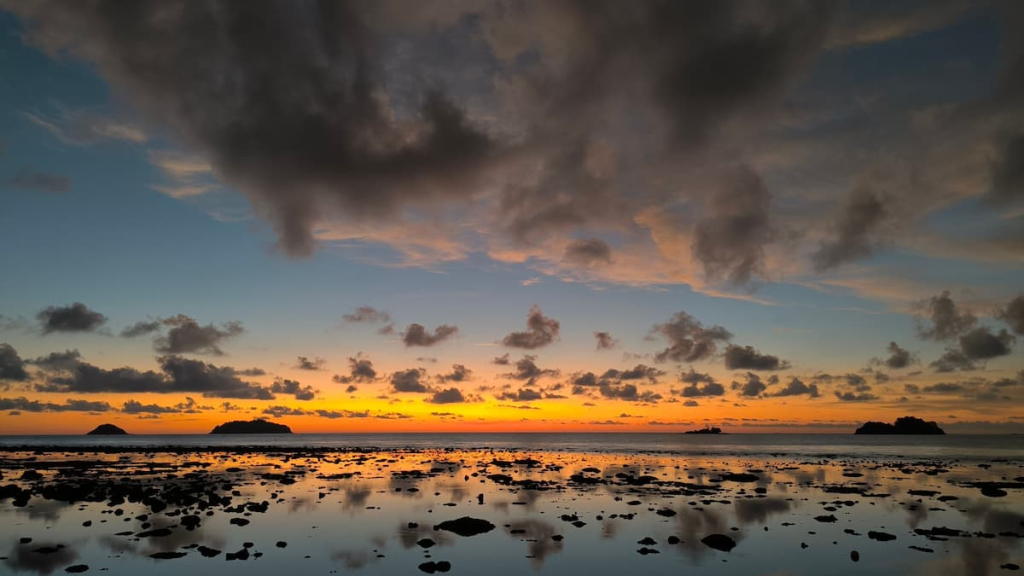
The Gulf Islands and Eastern Mainland Are Not Identical
The Gulf islands are only one part of Southern Thailand’s eastern coastline. Chumphon, Khanom, Nakhon Si Thammarat, Songkhla and the provinces of the deep south experience their own local variations, so the conditions on Koh Samui should not be used as a forecast for the entire coast.
The eastern mainland can receive particularly heavy rain during the northeast monsoon. From October to December, prolonged downpours may cause local flooding, rough coastal conditions and disruption to road or rail travel. Rain can continue into January in some years, particularly around Nakhon Si Thammarat and the lower southern provinces.
The effect on a holiday also depends on the destination. An island visit built around beaches, ferries and boat excursions is highly sensitive to sea conditions. A city stay in Hat Yai is less dependent on clear skies, although heavy rainfall and flooding can still interfere with transport and sightseeing.
Some of my most memorable evenings in Hat Yai had little to do with conventional beach weather. One began at a relaxed seafood restaurant with live music before we continued to a tiny café-style bar with only a few tables and sofas. Someone played guitar, it was passed around and almost everyone joined in singing. The following evening, we drove to Chalathat Beach, lowered the car’s tailgate and sat eating while watching the coast after dusk.
Those two very different evenings are a reminder that Southern Thailand is not only a collection of beach destinations. Imperfect daytime weather does not necessarily prevent an enjoyable visit, especially in cities and mainland areas where food, culture and local life are as important as time beside the sea.
Southern Thailand Month by Month
The best coast to visit changes throughout the year. The following month-by-month guide compares the usual conditions, but seasonal transitions can arrive earlier or later in individual years.
Southern Thailand in January
January is one of the strongest months for visiting Southern Thailand. The Andaman Coast is normally settled, with relatively calm seas and dependable conditions for beaches, island hopping and diving.
The Gulf islands are generally suitable as well, although residual northeast-monsoon weather can occasionally bring rain or rough seas early in the month. January is busy across many major destinations, particularly immediately after New Year.
Usually best for: Phuket, Krabi, Khao Lak, Koh Lanta, Koh Lipe and trips combining both coasts.
Southern Thailand in February
February is arguably the best overall month to visit Southern Thailand. Both coasts normally experience favourable conditions, rainfall is comparatively low and temperatures have not yet reached their annual peak.
It is an excellent month for combining an Andaman destination with Koh Samui, Koh Phangan or Koh Tao. Demand remains high, so accommodation and popular excursions should be reserved in advance.
Usually best for: either coast, island hopping, diving, snorkelling and multi-destination holidays.
Southern Thailand in March
March continues to offer favourable beach and sea conditions across most of Southern Thailand, although daytime temperatures begin rising. The Andaman Sea is generally calm, while the Gulf islands remain within their most dependable period.
This is another strong month for travellers who want to cross between the two coasts or combine beaches with Khao Sok. Outdoor activities are usually easier earlier in the day before the heat becomes more intense.
Usually best for: either coast, diving, beaches, Khao Sok and coast-combining itineraries.
Southern Thailand in April
April is hot, humid and usually still suitable for coastal travel. The Andaman Coast remains within its main operating season, although showers and unsettled periods may become more frequent toward the end of the month. The Gulf islands also generally remain favourable.
Songkran brings increased domestic travel around the middle of April. Transport, accommodation and popular resorts can become busy, while celebrations may affect road travel and daily plans.
Usually best for: either coast, Songkran experiences and travellers comfortable with intense heat.
Southern Thailand in May
May marks the beginning of a significant seasonal change. The southwest monsoon starts affecting the Andaman Coast, bringing more frequent showers, stronger winds and increasingly unpredictable sea conditions. Phuket, Krabi and Khao Lak remain open, but offshore excursions become less dependable.
The Gulf islands normally offer better prospects at this time. Koh Samui, Koh Phangan and Koh Tao can still experience rain, but May is often a practical month for travellers who can choose between the two coasts.
Usually best for: the Gulf islands, lower-cost stays in established Andaman destinations and flexible travellers.
Southern Thailand in June
June is part of the Andaman rainy season. Bright days and long sunny periods remain possible, but rough-sea warnings and boat cancellations become more likely. Some marine parks, remote islands and seasonal resorts will already be closed.
Conditions around the Gulf islands are often more suitable for a beach holiday. June can provide a useful balance of comparatively favourable weather and fewer visitors than the busier July and August period.
Usually best for: Koh Samui, Koh Phangan, Koh Tao and travellers seeking better-value Gulf accommodation.
Southern Thailand in July
July generally favours the Gulf Coast. Koh Samui, Koh Phangan and Koh Tao remain popular for swimming, diving and island travel, although showers and occasional unsettled periods should still be expected.
The Andaman Coast is wetter and more exposed to the southwest monsoon. Phuket and Krabi remain entirely visitable, but anyone depending on speedboat excursions or distant islands should leave flexibility in their schedule.
Usually best for: the Gulf islands, especially for beach-focused holidays and diving around Koh Tao.
Southern Thailand in August
August follows a similar pattern to July. The Gulf islands usually provide better seasonal odds, but they can also become busy because of European and other international school holidays. Booking ahead may be necessary in popular parts of Koh Samui, Koh Phangan and Koh Tao.
Rain and rougher seas continue along the Andaman Coast. Visitors can still enjoy Phuket, Krabi and other established destinations, particularly if their plans include food, wellness, shopping and mainland sightseeing rather than daily boat excursions.
Usually best for: the Gulf islands or flexible, activity-diverse stays in Phuket and Krabi.
Southern Thailand in September
September is often one of the wettest and least dependable months on the Andaman Coast. Heavy showers, strong winds and rough seas can disrupt island trips, while several marine attractions remain seasonally closed.
The Gulf islands may still provide better conditions, but September is transitional and rainfall usually begins increasing. It can suit flexible travellers seeking lower prices, although it is not the strongest month for a holiday built entirely around beaches and boat trips.
Usually best for: flexible Gulf stays, quieter mainland travel and visitors comfortable adapting their plans.
Southern Thailand in October
October is one of the most difficult months for confidently choosing a coast. The southwest monsoon may still be affecting Phuket, Krabi and the wider Andaman region, while the Gulf Coast is approaching or entering its main rainy period.
Conditions can improve on the Andaman side as the month progresses, but the transition varies each year. Travellers should avoid tightly scheduled island-hopping itineraries and select destinations with enough land-based alternatives for unsettled days.
Usually best for: flexible stays in established destinations rather than weather-dependent island itineraries.
Southern Thailand in November
November brings sharply contrasting conditions across Southern Thailand. The Andaman Coast usually begins its transition into the main travel season, with improving weather, reopening marine parks and increasingly reliable boat services. Some unsettled periods can continue, particularly early in the month.
At the same time, the Gulf islands and lower eastern mainland may be experiencing their heaviest rain. Rough seas, ferry disruption and local flooding become greater concerns around Koh Samui, Nakhon Si Thammarat, Songkhla and neighbouring areas.
Usually best for: Phuket, Krabi, Khao Lak and the Andaman Coast, especially later in the month.
Southern Thailand in December
December is one of the best months for the Andaman Coast. Phuket, Krabi, Khao Lak, Koh Lanta and other western destinations usually experience calmer seas and increasingly dependable weather. Christmas and New Year also make it one of the busiest and most expensive times to visit.
Gulf conditions often improve during December, but the change is not always immediate. Rain and rough seas can continue during the first part of the month, so travellers should not assume that Koh Samui will follow the same weather pattern as Phuket.
Usually best for: the Andaman Coast, festive-season holidays and Gulf travel later in the month when current conditions are favourable.
Choosing the Right Coast for Your Travel Dates
If your travel dates are fixed but your destination is flexible, choosing the coast with the stronger seasonal conditions can substantially improve your chances of enjoying beaches and boat excursions.
| Travel period | Usually the stronger choice |
|---|---|
| January to April | Either coast |
| May to August | Gulf Coast |
| September | Gulf Coast, but remain flexible |
| October | Neither coast is consistently dependable |
| November | Andaman Coast |
| December | Andaman Coast, particularly early in the month |
This comparison provides general guidance rather than a weather guarantee. January to April is the easiest period for travellers who want to combine both coasts. From May to August, Koh Samui, Koh Phangan and Koh Tao usually offer better seasonal odds than Phuket, Krabi and the wider Andaman region.
November creates the clearest contrast. Conditions are normally improving along the Andaman Coast while the Gulf islands and lower eastern mainland may be experiencing their heaviest rainfall. December generally favours the Andaman side as well, although the Gulf often becomes more dependable later in the month.
Avoid changing destinations because a general weather app displays rain for one or two days. Tropical forecasts frequently show the possibility of showers without revealing how long they will last or whether they will affect your specific location. For island travel, wind, wave height and official marine warnings are often more important than the rainfall symbol.
If a ferry, speedboat excursion or remote island is essential to your holiday, allow some flexibility around it. Check local forecasts close to departure and avoid placing an important offshore trip on the final available day of your stay.
Best Time for Beaches and Island Hopping
For the Andaman Coast, December to March generally offers the most dependable conditions for beaches and island hopping. The sea is usually calmer, boat services operate more consistently and popular routes connect Phuket, Krabi, Koh Phi Phi, Koh Lanta and the smaller surrounding islands.
On the Gulf Coast, February to April provides the strongest overall conditions, although Koh Samui, Koh Phangan and Koh Tao can remain good choices through much of August. From May onward, the Gulf islands often offer better seasonal odds than the increasingly unsettled Andaman Coast.
Sunshine is only one part of the decision. Wind and wave conditions affect the comfort and safety of ferries, speedboats and longtail boats. A bright morning does not necessarily guarantee a smooth journey, while an overcast day with calm water may still be entirely suitable for an island excursion.
The season also affects what can be visited. Some remote islands, protected bays and marine-national-park attractions close during their respective monsoon periods. Ferry frequencies may be reduced, smaller resorts can suspend operations and tours advertised online may not run every day.
Travellers planning several island transfers should therefore choose the appropriate coast for their dates and avoid an itinerary with no room for delays. Spending at least a few nights in each destination creates more flexibility than attempting multiple weather-dependent day trips from a single base.
Best Time for Diving and Snorkelling
Diving on the Andaman Coast
November to April is generally the strongest period for diving and snorkelling along the Andaman Coast. Calmer seas make offshore sites easier to reach, while underwater visibility is usually more dependable than during the southwest monsoon.
The Similan and Surin islands are seasonal destinations. Their marine national parks normally open from around October to May and close during the rougher monsoon period. Diving around Richelieu Rock and other remote sites is therefore limited by park access, operator schedules and daily sea conditions.
Phuket, Phi Phi and some sheltered local sites continue to support diving outside the main season, but visibility and boat comfort can vary. Anyone booking specifically for diving should speak with a reputable local operator rather than relying only on a general weather forecast.
Diving on the Gulf Coast
Koh Tao supports diving through much of the year and can be a useful alternative when Andaman conditions are unsettled. February to September is broadly favourable, although visibility, currents and surface conditions vary between sites and cannot be guaranteed.
When I returned to diving on Koh Tao after several years away, I chose a fun dive rather than assuming that my advanced certification meant I was immediately ready to continue where I had stopped. I paid extra for private time with an instructor, reviewed the fundamentals at my own pace and then completed a relaxed dive at White Rock at around ten metres.
That experience reinforced the importance of choosing a capable operator and planning for your own circumstances, not simply travelling during a month described as ideal. Recent weather, personal confidence, the selected dive site and the quality of instruction can matter just as much as the season.
For snorkelling on either coast, calm water is especially important. Rainfall alone does not determine visibility; wind, waves, runoff and the location of the reef all influence conditions. Travellers should ask locally which beaches or boat sites are most suitable on that particular day.
Best Time for National Parks and Outdoor Activities
Southern Thailand’s national parks include rainforests, mountains, waterfalls, caves, lakes and protected marine environments. The best time to visit depends on the activity, because the wet season can improve the scenery while making access more difficult.
January to April generally provides the easiest conditions for hiking and exploring inland parks. Trails are usually less muddy, river levels are more manageable and caves are less likely to close because of flooding. Early mornings are preferable for longer walks, particularly during the hotter months of March and April.
The wet season transforms the landscape. Forests become intensely green, waterfalls carry more water and mist can create beautiful conditions around mountains and lakes. However, heavy rain may make trails slippery, increase leech activity and cause rivers or caves to become unsafe. Individual attractions can close even when the wider national park remains open.
When to Visit Khao Sok National Park
Khao Sok receives rain throughout the year, so there is no completely dry and predictable season. January to April usually offers the most dependable conditions for walking, wildlife excursions and exploring the national park’s land-based attractions.
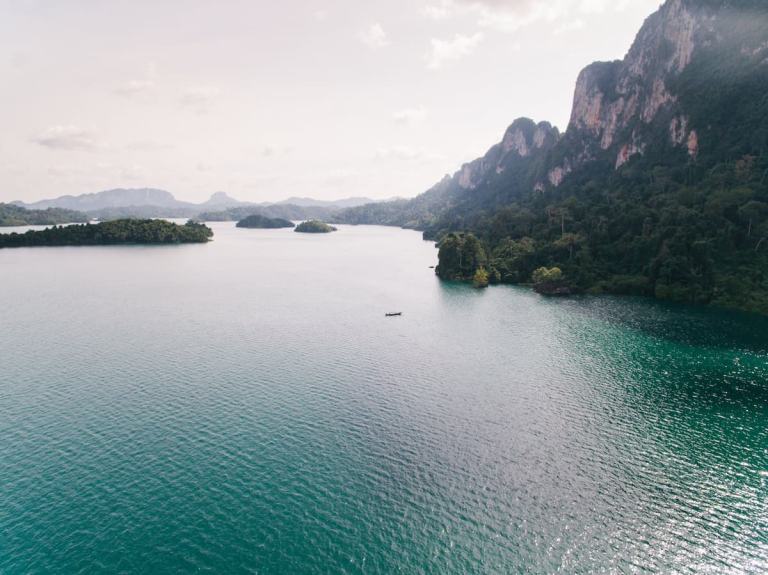
The wetter months bring greener rainforest, fuller waterfalls and atmospheric mist around the limestone mountains. Cheow Lan Lake can be visited during much of the year, but boat journeys and outdoor activities remain subject to current conditions.
Some caves and trails close seasonally or temporarily when water levels rise. Tham Nam Thalu, in particular, should never be entered when there is a risk of flooding. Travellers should follow park instructions and local guides rather than treating a published itinerary as guaranteed.
Marine National Parks and Seasonal Closures
Marine parks follow different operating seasons according to their coast. The Similan and Surin islands normally close during the Andaman monsoon, while Mu Ko Ang Thong generally closes for a shorter period during the Gulf’s wetter season.
Other islands, dive sites, bays and campsites may have their own closure dates for safety, maintenance or environmental recovery. These dates can change, so travellers planning around a particular protected area should confirm its current status directly before booking non-refundable transport or accommodation.
Visiting Southern Thailand During the Rainy Season
Southern Thailand’s rainy season is not automatically a reason to cancel a holiday. Established destinations remain active throughout the year, and many days include a mixture of sunshine, cloud and short tropical showers rather than uninterrupted rain.
The experience does become less predictable. A passing afternoon shower may have little effect on a holiday, while several days of strong monsoon winds can disrupt swimming, ferries and offshore excursions. Travellers should therefore judge the rainy season according to what they want to do, not simply by the likelihood of rain.
Advantages of Visiting During the Rainy Season
- Hotels frequently offer lower rates.
- Popular beaches and attractions receive fewer visitors.
- Forests, gardens and surrounding hills become greener.
- Waterfalls are usually more impressive.
- Established destinations can feel more relaxed.
- Bright beach days and long dry periods remain possible.
Disadvantages of Visiting During the Rainy Season
- Sea conditions are less predictable.
- Boat trips may be postponed or cancelled.
- Some marine parks, islands and seasonal resorts close.
- Underwater visibility can be reduced.
- Exposed beaches may be unsafe for swimming.
- Heavy rain can affect roads, trails, caves and local transport.
How to Plan a Rainy-Season Holiday
Choose a destination with enough alternatives beyond the beach. Phuket, Krabi, Hat Yai and other established centres provide restaurants, shopping, wellness treatments, cultural attractions and sheltered activities when offshore plans cannot operate.
Avoid building the entire holiday around one distant island excursion. If a particular boat trip is important, leave more than one possible day for it and book with an operator that clearly explains its weather and cancellation policies.
Accommodation location also matters. A less expensive hillside hotel may appear attractive, but steep roads, limited transport and heavy rain can make it inconvenient. Staying within easy reach of restaurants and everyday services provides greater flexibility.
Most importantly, follow local safety advice. Red flags on beaches indicate dangerous swimming conditions, not merely imperfect weather. Check official marine warnings before ferry journeys and accept that a reputable operator may cancel a trip even when there are visible periods of sunshine.
When Is Southern Thailand Busiest?
Weather is not the only consideration when choosing when to visit Southern Thailand. The most favourable months also bring higher accommodation prices, busier beaches and greater demand for transport and excursions.
December to February
December to February is the main international high season, particularly along the Andaman Coast. Phuket, Krabi, Khao Lak, Koh Lanta and Koh Phi Phi receive some of their largest visitor numbers as travellers arrive for more dependable beach weather.
Christmas and New Year are especially busy. Hotels may require minimum stays, festive dinners can be compulsory and prices often rise considerably. Popular resorts, island tours and domestic flights should be booked well in advance.
Chinese New Year does not fall on the same dates every year but can also create a noticeable increase in regional travel and accommodation demand.
Songkran and Easter
April combines very hot weather with several important holiday periods. Songkran, celebrated around 13–15 April, produces increased domestic travel and large public celebrations. Phuket, Krabi, Hat Yai and other popular destinations can become particularly busy.
Easter and international school holidays may overlap with this period. Visitors wanting to experience Songkran should book ahead, while those seeking a quieter holiday may prefer to avoid the busiest celebration dates.
July and August
July and August are part of the Andaman rainy season but can still be busy around Koh Samui, Koh Phangan and Koh Tao. The Gulf islands attract travellers seeking better seasonal beach conditions, while European and other international school holidays increase demand.
These months should not automatically be treated as Gulf low season. Flights to Koh Samui, popular beachfront accommodation and ferry services can become busy, particularly around major events and the Full Moon Party on Koh Phangan.
Travellers seeking the best balance of favourable weather and moderate crowds may find February, March, June or the transitional edges of each coast’s main season more appealing. The right choice depends on whether lower prices, quieter surroundings or maximum weather reliability matters most.
The Best Time Depends on the Holiday You Want
There is no single month that is best for every Southern Thailand holiday. A traveller planning daily island excursions requires calmer seas, while someone interested in food, culture, wellness or city life can accept more variable conditions.
| Holiday priority | Suggested period and destination |
|---|---|
| Most dependable beach weather | January to March on either coast |
| Andaman island hopping | December to March |
| Gulf island holiday | February to August |
| Diving around the Similan and Surin islands | During their October-to-May operating season |
| Learning to dive on Koh Tao | February to September, subject to local conditions |
| Surfing in Phuket | May to October |
| Lower-priced Phuket or Krabi holiday | May to October |
| Easier hiking in Khao Sok | January to April |
| Green rainforest scenery and fuller waterfalls | May to November |
| Combining the Andaman and Gulf coasts | January to March |
| Experiencing Songkran in the south | Around 13–15 April |
| Avoiding the largest high-season crowds | May, June or September, with careful coast selection |
Travellers prioritising sunshine, beaches and boat trips should choose the most dependable season for their preferred coast. Those who value lower prices, quieter destinations and a slower holiday may find the shoulder or rainy season more rewarding.
The important distinction is between inconvenience and incompatibility. Occasional rain may be a minor inconvenience during a food-focused Phuket holiday, but rough seas are incompatible with an itinerary built around remote island excursions. Choosing the season according to the experience you want produces a more useful answer than simply identifying Southern Thailand’s driest month.
Final Thoughts: When Should You Visit Southern Thailand?
January to March is the best all-round period for visiting Southern Thailand. Both coasts generally offer favourable conditions, making these months particularly suitable for travellers combining beaches, islands, national parks and more than one region.
Outside this period, coast selection becomes increasingly important. November to April generally favours Phuket, Krabi, Khao Lak and the Andaman islands. From May to August, Koh Samui, Koh Phangan and Koh Tao usually provide better seasonal odds for a beach-focused holiday.
October and November require the greatest care. The Andaman monsoon may not have completely withdrawn, while the Gulf and lower eastern mainland can be entering their wettest period. Travellers visiting during these transitional months should favour established destinations, build flexibility into their itinerary and avoid depending on one weather-sensitive excursion.
Southern Thailand remains rewarding throughout the year. The key is not finding a month when rain is impossible, but matching your destination and activities to the conditions most likely at the time you travel.
Frequently Asked Questions
What is the best month to visit Southern Thailand?
February is arguably the best overall month to visit Southern Thailand. The Andaman Coast and Gulf islands normally experience favourable conditions, making it a strong choice for beaches, island hopping, diving and itineraries combining both coasts.
When is the rainy season in Southern Thailand?
The rainy season varies by coast. Phuket, Krabi and the Andaman Coast are most affected from approximately May to October. Koh Samui, Koh Phangan and the Gulf Coast usually experience their wettest period later, particularly from October to December.
Is Phuket or Koh Samui better in July?
Koh Samui usually offers better seasonal weather than Phuket in July. Phuket is affected more directly by the southwest monsoon, while Koh Samui often remains suitable for beaches and island activities. Rain is still possible on either coast.
Which coast of Southern Thailand is best in November?
The Andaman Coast is usually the stronger choice in November, particularly as the month progresses. Weather around Phuket, Krabi and Khao Lak generally improves, while Koh Samui and the Gulf Coast may be experiencing heavy seasonal rain.
Can you visit Southern Thailand during the rainy season?
Yes. Major destinations remain open, accommodation can cost less and extended dry periods remain possible. However, travellers should expect less predictable sea conditions, possible boat cancellations and seasonal closures affecting some islands and marine parks.
When is the best time for island hopping in Southern Thailand?
December to March is best for island hopping along the Andaman Coast. February to August is generally more suitable for island travel around Koh Samui, Koh Phangan and Koh Tao, although daily conditions should always be checked.
Is Southern Thailand worth visiting in October?
Southern Thailand can still be visited in October, but it is one of the least dependable months for a beach-focused holiday. The Andaman rainy season may be continuing while the Gulf Coast is entering its wetter period. Choose an established destination and keep plans flexible.
When is the cheapest time to visit Southern Thailand?
The Andaman Coast usually offers its lowest accommodation prices during the rainy season from May to October. Gulf pricing follows a different pattern and can remain relatively high in July and August because of favourable seasonal conditions and international school holidays.
Continue Exploring Thailand
Use these guides to continue planning your journey through Southern Thailand or return to the main Thailand guide to explore other regions of the country.
Thailand Travel Guide
Explore Thailand’s regions, destinations, islands, cultural attractions and travel experiences through our complete country guide.
Southern Thailand Travel Guide
Start with the complete regional guide to understand Southern Thailand’s destinations, experiences and practical travel considerations.
Where to Go in Southern Thailand
Compare Phuket, Krabi, Koh Samui, Khao Lak and other destinations to find the part of Southern Thailand that best suits your holiday.
Best Beaches in Southern Thailand
Discover celebrated beaches and quieter coastal escapes across the Andaman Sea and Gulf of Thailand.
Best Islands in Southern Thailand
Compare established island destinations with smaller tropical escapes offering beaches, snorkelling, nature and peaceful surroundings.
Best National Parks in Southern Thailand
Explore rainforests, limestone mountains, lakes, waterfalls and protected marine environments across the region.
Making the Most of Your Southern Thailand Holiday
Learn how to combine beaches, islands, national parks and cultural experiences into a more rewarding Southern Thailand itinerary.
About the Author
David Hibbins is an Australian travel publisher, destination researcher and the creator of Travel With Insight.
David spends considerable time in Phuket and has travelled extensively throughout Thailand and Southeast Asia. His work combines first-hand experiences, repeat visits and practical observations with careful destination research and current information.
Where David has visited a destination himself, those experiences help shape the guidance he provides—from understanding how places feel beyond their best-known attractions to recognising transport challenges, changing conditions and small practical details that shorter visits can miss. Research is used to verify historical context, current visitor information and aspects he has not experienced personally.
His work focuses on helping travellers move beyond popularity rankings, marketing claims and generic “best of” lists. Rather than telling readers where they should travel, his goal is to explain the strengths, limitations and individual character of each destination so they can choose the places that best match their interests, travel style and available time.
Through Travel With Insight, David explores not only where travellers go, but why they choose particular destinations, how experiences differ and what helps turn a well-researched trip into a genuinely memorable journey.
Explore More Travel Resources
Every rewarding journey begins with informed decisions. The more you understand a destination before arriving, the easier it becomes to choose experiences that suit your interests, expectations and preferred pace.
Whether you are researching one destination, comparing several possibilities or preparing a complete itinerary, these additional travel resources can help.
Travel With Insight
Continue exploring in-depth destination guides, first-hand travel insight and practical planning advice created to help you make informed travel decisions throughout Thailand and Southeast Asia.
Go Find Asia
Discover destinations, attractions and travel ideas from across Asia, with inspiration to help you decide where to go, what to experience and which places deserve a closer look.
Resurgence Travel
Move from research to practical planning with curated itineraries, personalised travel support and local insight focused on creating more rewarding journeys through Thailand and Southeast Asia.


One Comment
Comments are closed.