
Southern Thailand Travel Guide
Discover the Southern Thailand You Want
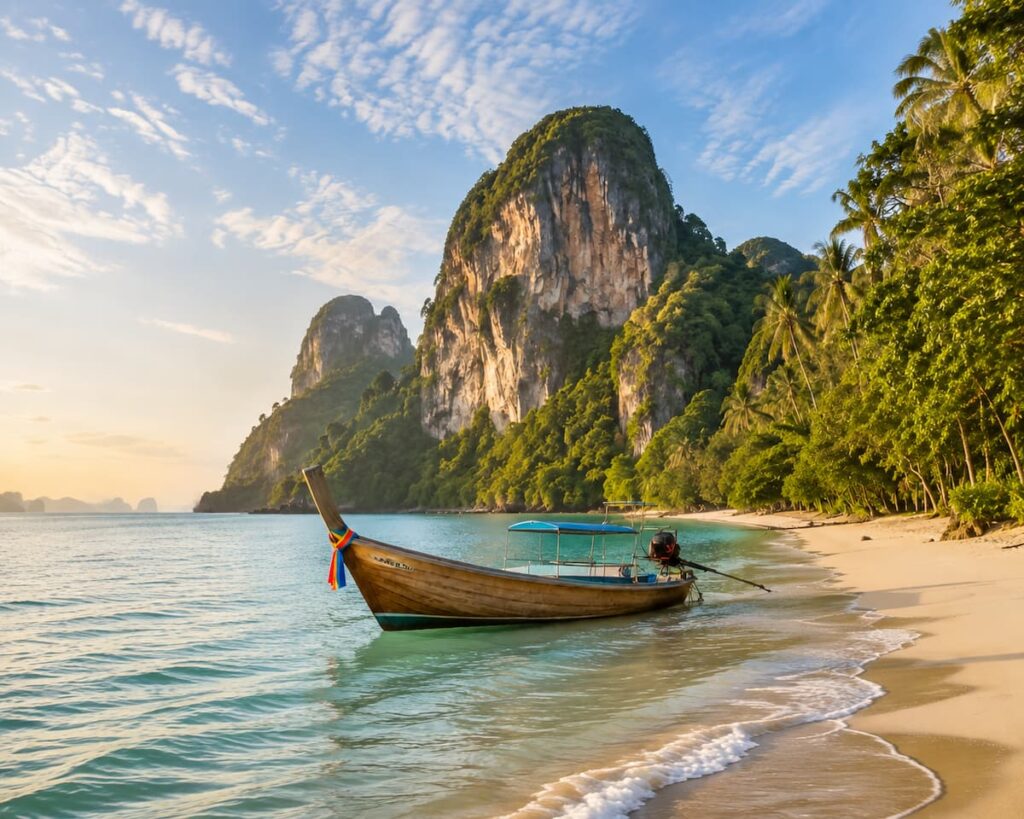
Built from spending considerable time in Phuket and travelling throughout Southern Thailand, this guide combines first-hand experience, careful research and local insight to help you plan a holiday that suits you.
From tropical islands and celebrated beaches to ancient rainforests, cultural cities and quieter coastal communities, discover the many different ways to experience Southern Thailand.
A TRAVEL WITH INSIGHT DESTINATION GUIDE
Jump to Southern Thailand Guide Navigation ↓
Discovering Southern Thailand Through Experience
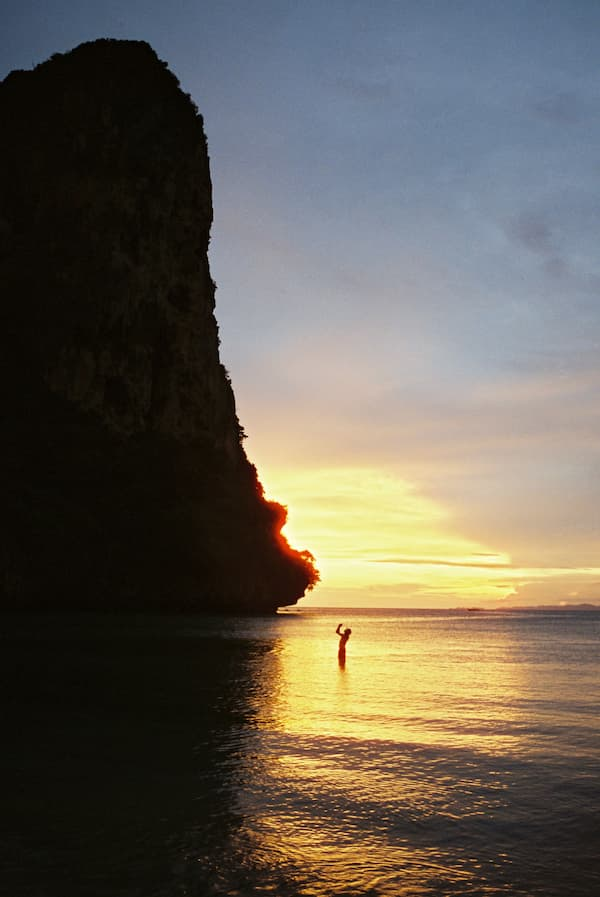
Spending considerable time in Patong and travelling throughout Southern Thailand has shown me how much the experience changes from one destination to another. Phuket offers extraordinary variety and convenience, while Krabi feels more closely shaped by its limestone landscapes and outdoor experiences. Khao Lak moves at a quieter pace, Khao Sok replaces the coastline with rainforest, and the Gulf islands offer another side of southern island life altogether.
It is easy to think of Southern Thailand as one continuous collection of beaches and islands, but choosing the right area matters. The Andaman and Gulf coasts have different weather patterns, transport routes and travel seasons, while individual destinations vary considerably in atmosphere, accessibility, development and the experiences they offer.
That is why this Southern Thailand travel guide does not simply present another list of beautiful places. It helps you understand how the region fits together, compare its destinations and choose the beaches, islands, cities and natural experiences that best suit the holiday you want to create.
| Feature | Information |
|---|---|
| Location | Southern Thailand, extending between the Andaman Sea and Gulf of Thailand |
| Destination Type | Tropical coastal region encompassing islands, beaches, cities, rainforest and national parks |
| Best Known For | World-famous beaches, tropical islands, limestone landscapes, marine adventures, ancient rainforest and relaxed coastal destinations |
| Best For | Beach holidays, island hopping, couples, families, nature lovers, adventure travellers and first-time visitors |
| Recommended Stay | 7–14 days, with longer stays allowing several destinations to be combined |
| Atmosphere | Diverse and tropical, ranging from lively resort destinations to peaceful islands, rainforest retreats and traditional communities |
| Top Highlights | Phuket, Krabi, Khao Lak, Khao Sok National Park, Koh Samui, Koh Phangan, Koh Tao and the islands of the Andaman Sea |
| Main Gateways | Phuket, Krabi, Surat Thani and Hat Yai |
| Getting Around | Domestic flights, buses, minivans, ferries, speedboats, private transfers and rental vehicles |
| Family Friendly | Yes, with a wide range of beaches, resorts, attractions and activities suitable for families |
| Best Time to Visit | Generally November to April for the Andaman Coast; Gulf Coast conditions follow a different seasonal pattern |
| Major Travel Areas | Andaman Coast, Gulf Coast, inland national parks and the culturally distinctive southern provinces |
Why Visit Southern Thailand?
Southern Thailand is best known for its tropical beaches and islands, but its real strength is the variety of experiences that can be combined within one journey. A holiday can bring together established coastal destinations, rainforest, marine national parks, limestone landscapes, local food and culturally distinctive cities without every stop feeling like a variation of the same place.
What I value most about travelling throughout the region is the freedom to experience it in very different ways. You can choose the convenience and energy of Phuket, the extraordinary scenery of Krabi, the slower beaches of Khao Lak, the rainforest of Khao Sok or the distinctive island experiences of the Gulf Coast. Quieter provinces and communities reveal another side of Southern Thailand beyond its famous resorts.
Established airports, road connections, ferries and visitor infrastructure make many of these experiences relatively straightforward to combine. The essential guides below will help you compare the region’s destinations and decide which beaches, islands, attractions and experiences belong in your Southern Thailand holiday.
Essential Southern Thailand Reading
Where to Go in Southern Thailand
Explore Phuket, Krabi, Koh Samui, Khao Lak and other destinations to find the part of Southern Thailand that best suits your interests.
Must-See Attractions in Southern Thailand
Discover tropical islands, limestone landscapes, cultural landmarks and remarkable natural attractions across Thailand’s southern provinces.
Best Beaches in Southern Thailand
Explore celebrated beaches and quieter coastal escapes across the Andaman Sea and Gulf of Thailand.
Best Islands in Southern Thailand
Compare established holiday destinations and smaller tropical islands offering beaches, snorkelling, nature and peaceful surroundings.
Best National Parks in Southern Thailand
Compare seven distinctive national parks offering rainforests, waterfalls, diving, snorkelling, sea kayaking and remote island exploration.
Making the Most of Your Southern Thailand Holiday
Discover how to combine beaches, islands, national parks and cultural experiences into a rewarding Southern Thailand itinerary.
Understanding Southern Thailand
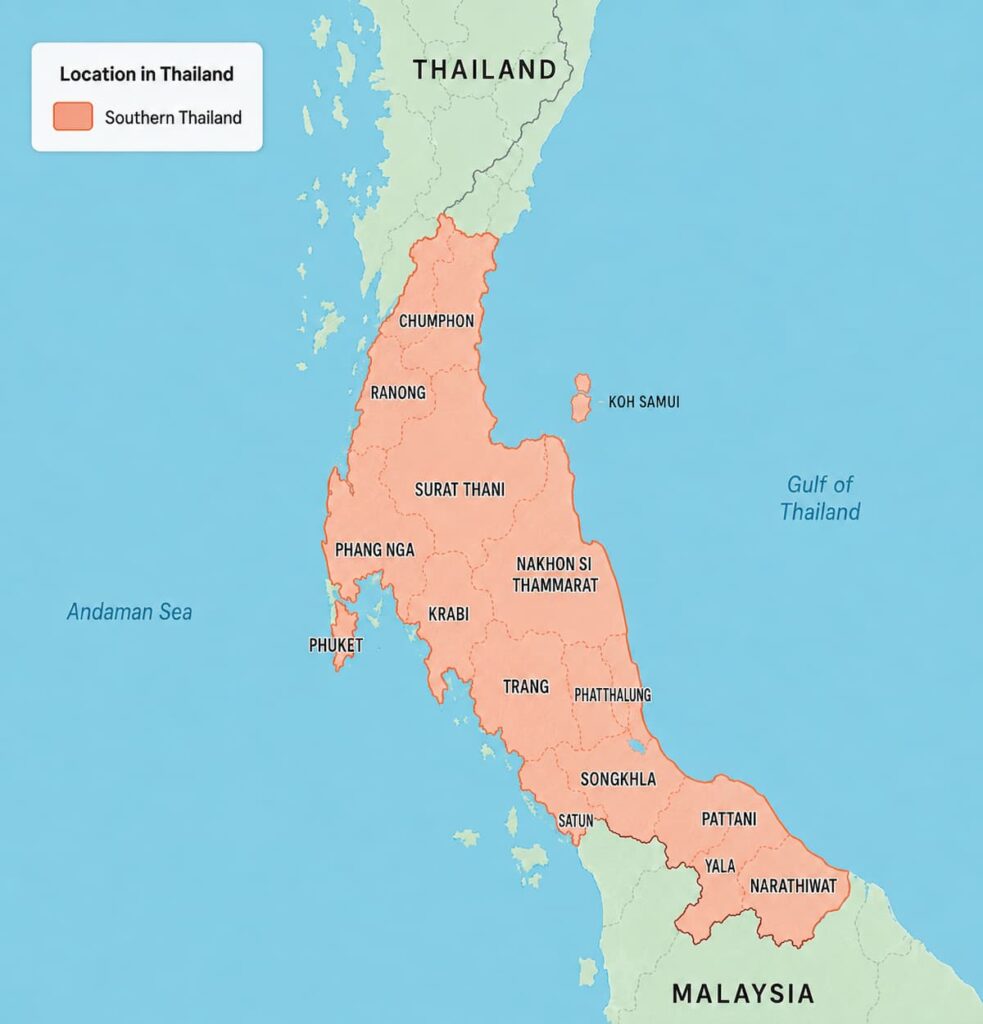
Southern Thailand extends along the narrow Malay Peninsula between the Andaman Sea and the Gulf of Thailand. Although it is often discussed as one destination, the region contains several distinct travel areas with different landscapes, weather patterns, transport connections and styles of holiday.
Understanding these differences is important when deciding where to go. A trip based around Phuket and Krabi can feel very different from an island holiday around Koh Samui, while inland destinations such as Khao Sok introduce rainforest and wildlife experiences far removed from the region’s coastal resorts.
The Andaman Coast
The Andaman Coast includes Phuket, Krabi, Khao Lak, Phang Nga, Trang and many of Southern Thailand’s most famous islands. It is best known for dramatic limestone formations, white-sand beaches, clear water and iconic destinations such as Phi Phi, Railay, Koh Lanta and the Similan Islands.
Phuket and Krabi provide the region’s principal tourism gateways, with international airports, extensive accommodation and convenient access to surrounding islands. Travellers can build an entire holiday along this coast or combine several destinations by road, ferry and organised transfer.
The Gulf Coast
The Gulf Coast includes Surat Thani, Khanom and the islands of Koh Samui, Koh Phangan and Koh Tao. Compared with the Andaman side, it has its own seasonal weather patterns and a distinctive collection of island experiences.
Koh Samui offers the widest range of resorts and visitor facilities, Koh Phangan combines peaceful beaches with its famous nightlife, and Koh Tao is internationally recognised for diving and snorkelling. Ferries connect the three islands, making this one of Southern Thailand’s most accessible island-hopping routes.
Rainforest and Inland Destinations
Southern Thailand’s interior contains rainforest, lakes, caves, mountains and protected natural environments. Khao Sok National Park is the best-known inland destination, offering jungle trekking, wildlife experiences and stays around the spectacular Cheow Lan Lake.
Cities such as Hat Yai, Nakhon Si Thammarat and Surat Thani also reveal a different side of the region through local cuisine, markets, temples and everyday southern culture. These destinations are less focused on international beach tourism but can add greater variety and cultural depth to a Southern Thailand journey.
Choosing Between the Coasts
The Andaman and Gulf coasts both offer beautiful islands and beaches, but they should not be treated as interchangeable. Weather patterns differ, transport between the two coasts requires additional travel time, and each side offers its own atmosphere and experiences.
Travellers with limited time will often benefit from concentrating on one coast. Those with a longer holiday can combine coastal destinations with rainforest, cities or national parks to experience more of Southern Thailand’s diversity.
Choosing Where to Go in Southern Thailand
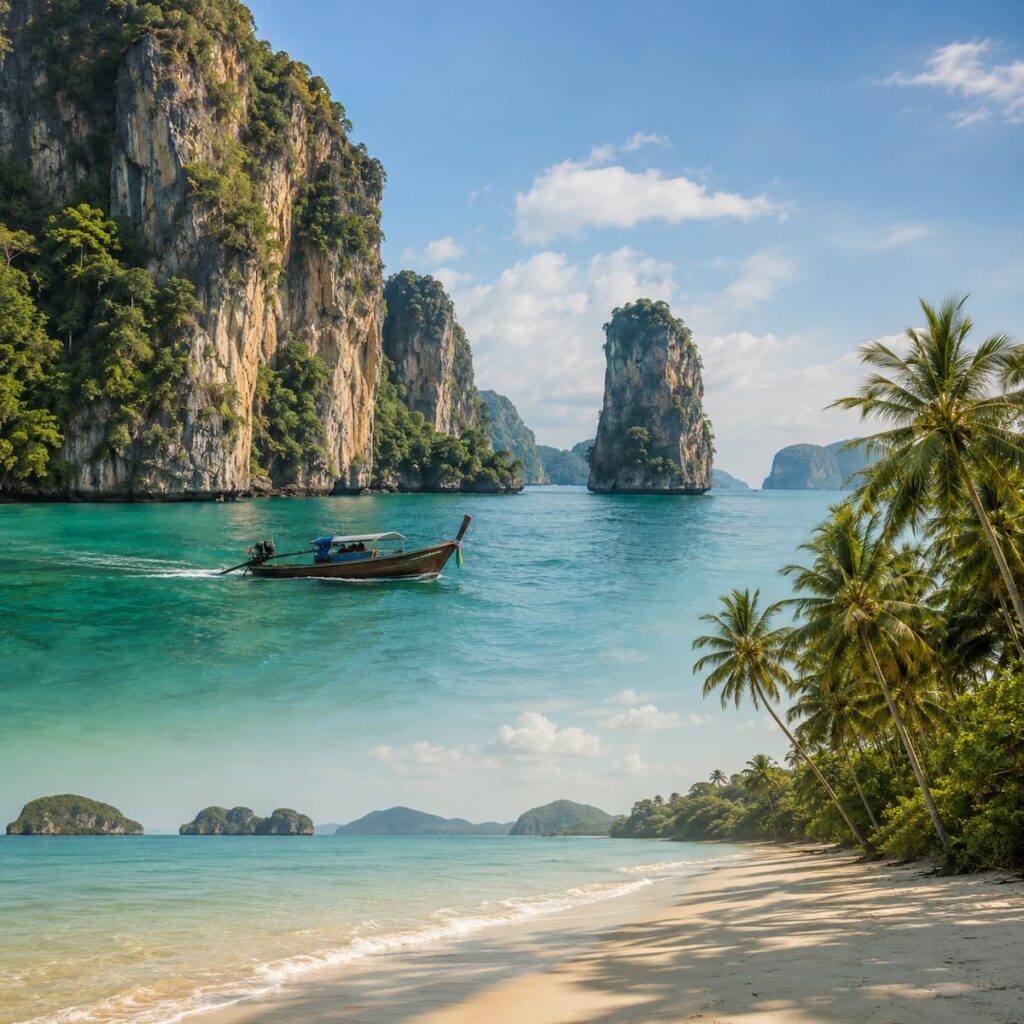
Southern Thailand ranges from internationally recognised islands and established coastal resorts to rainforest, cultural cities and quieter seaside communities. The right destination depends on whether you want beaches, marine adventures, nightlife, family facilities, natural landscapes or a slower connection with southern culture.
Begin with one of our four complete travel guides or explore other worthwhile islands, cities and provinces through our comprehensive destination articles.
Compare Destinations in Where to Go in Southern Thailand →
Southern Thailand Travel Guides
Begin with our complete guides to Phuket, Krabi, Koh Samui and Khao Lak. Each guide helps you compare places to stay, beaches, attractions, experiences and practical travel considerations within the destination.
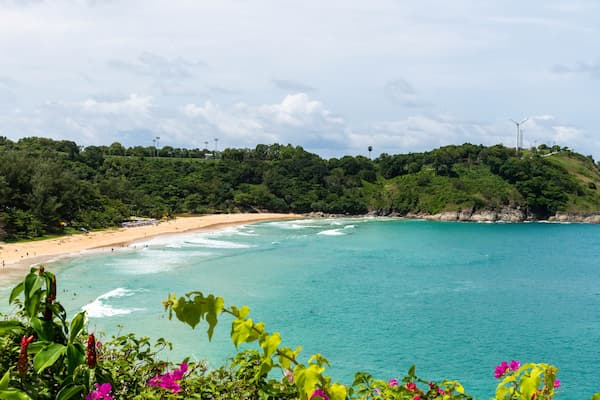
Phuket Travel Guide
Discover Thailand’s largest island through its beaches, coastal communities, historic Old Town, cultural attractions, nightlife and extensive range of holiday experiences.
Explore the travel guide →
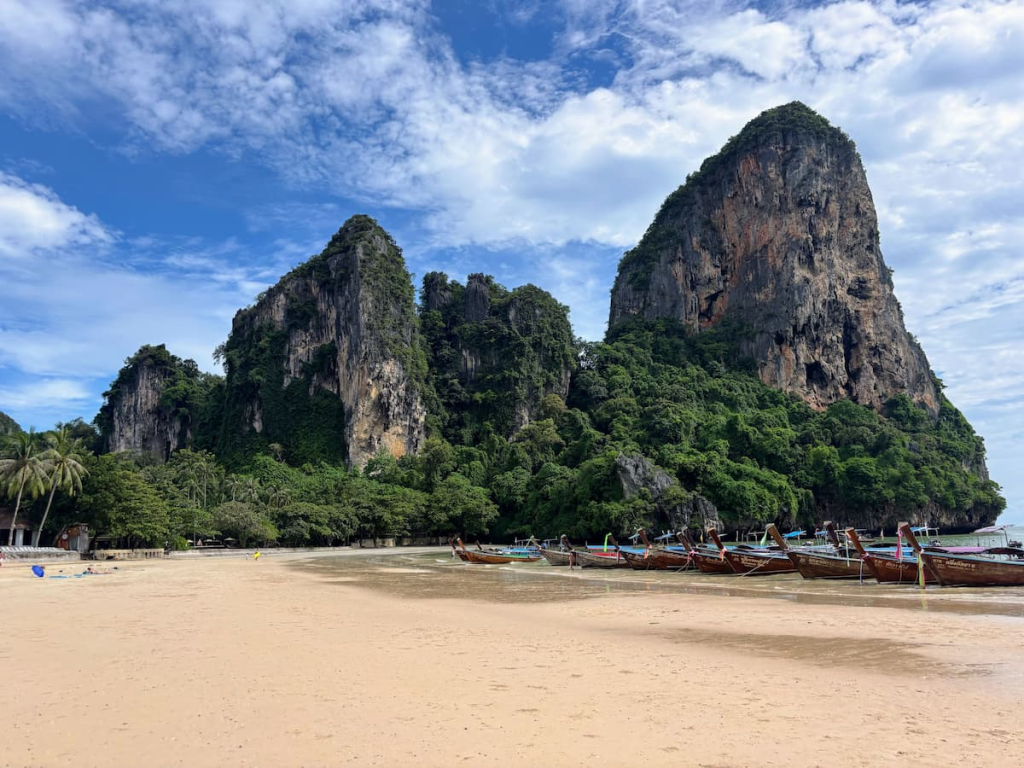
Krabi Travel Guide
Explore dramatic limestone scenery, tropical islands and coastal destinations including Ao Nang and Railay, with opportunities for beaches, boat trips, climbing and nature experiences.
Explore the travel guide →
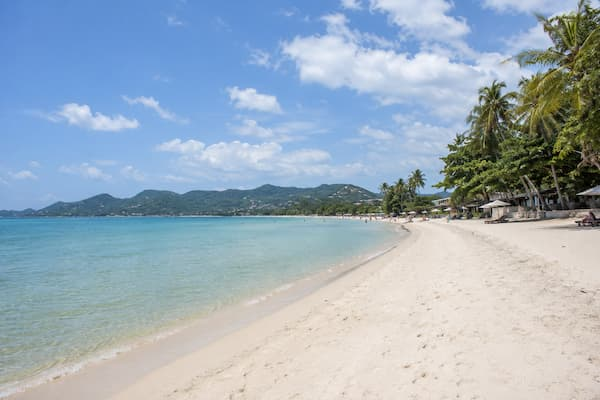
Koh Samui Travel Guide
Plan an island holiday combining beaches, resorts, temples, waterfalls, nightlife and convenient trips to neighbouring islands in the Gulf of Thailand.
Explore the travel guide →
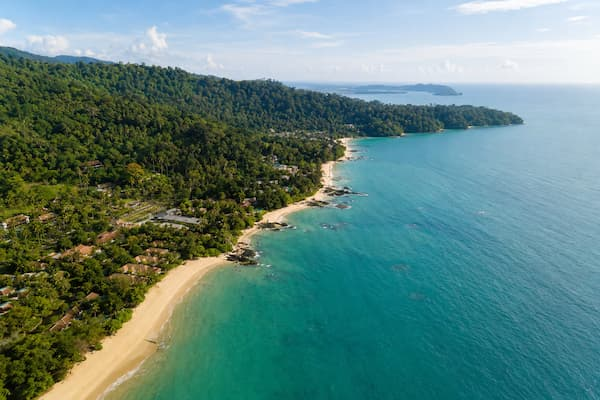
Khao Lak Travel Guide
Discover a relaxed stretch of the Andaman coast known for spacious beaches, national parks, family-friendly resorts and access to the Similan and Surin islands.
Explore the travel guide →
More Places to Explore in Southern Thailand
Beyond our four complete travel guides, these six destinations reveal more of Southern Thailand’s islands, rainforest, regional cities and quieter coastlines. Each offers a distinctive experience and can be explored further through our comprehensive destination articles.
Koh Lanta
A Relaxed Island for Longer Stays
Koh Lanta offers a slower and more spacious island experience than many of Southern Thailand’s better-known destinations. Long beaches, relaxed coastal communities and a welcoming atmosphere have made it especially popular with couples, families, independent travellers and visitors planning a longer stay.
Most accommodation and visitor facilities are found along the west coast, where areas such as Klong Dao, Long Beach and Klong Nin provide different balances of convenience and tranquillity. Further south, the island becomes quieter and more natural, while Lanta Old Town offers traditional wooden buildings, local restaurants and insight into the island’s multicultural heritage.
Koh Lanta provides easy access to snorkelling, diving, surrounding islands and Mu Ko Lanta National Park. It suits travellers seeking beaches and island life without the intensity of Phuket or the compact tourism centres of Phi Phi.
Continue to our Koh Lanta guide to compare the island’s beaches, accommodation areas, attractions and nearby excursions.
Koh Lipe
Clear Water and a Far-Southern Island Escape
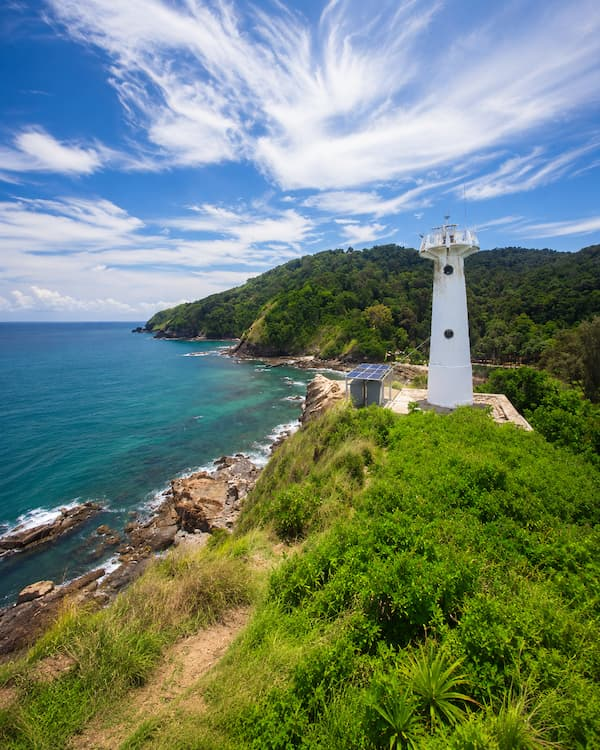
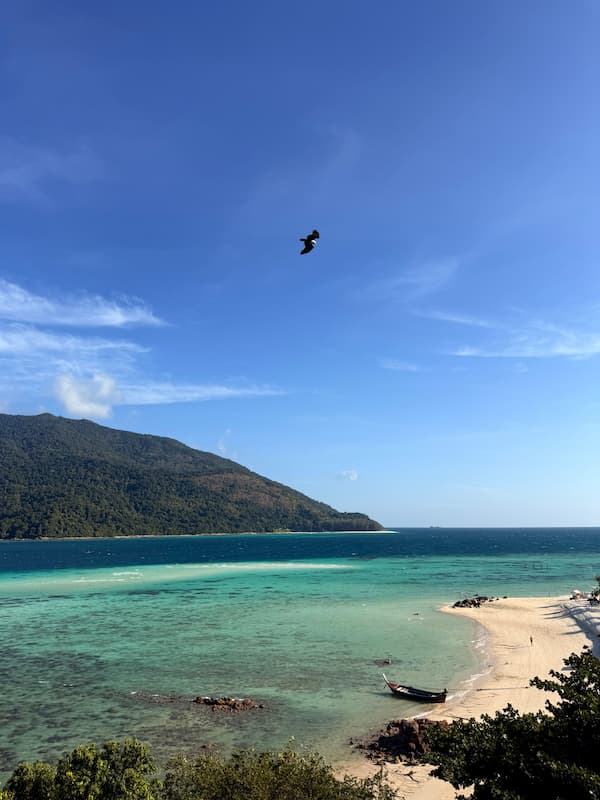
Koh Lipe is a compact island in the far southern Andaman Sea, known for white-sand beaches, clear turquoise water and coral reefs within easy reach of the shore. Its remote setting near Tarutao National Marine Park creates a stronger sense of escape than many of Southern Thailand’s more accessible islands.
Pattaya Beach is the principal arrival point and provides the widest choice of accommodation, restaurants and visitor services. Sunrise Beach combines beautiful morning views with convenient snorkelling, while smaller Sunset Beach offers a quieter atmosphere. Walking Street connects the island’s main areas and becomes the centre of dining and evening activity.
Koh Lipe is particularly well suited to couples, snorkellers and travellers prepared to journey farther for clear water and a compact island experience. It can also be combined seasonally with Langkawi, Trang, Koh Lanta and other islands along the southern Andaman route.
Continue to our comprehensive Koh Lipe guide to compare its beaches, accommodation areas, snorkelling experiences and transport options.
Khao Sok National Park
Ancient Rainforest and Unforgettable Lake Adventures
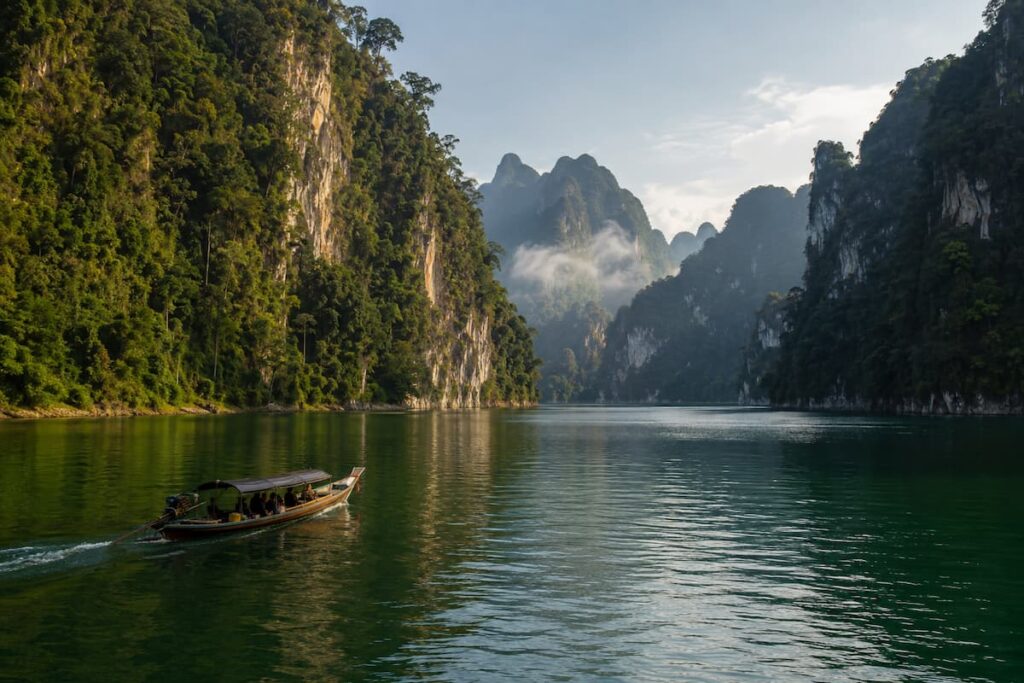
Khao Sok National Park offers one of Southern Thailand’s most distinctive experiences, replacing busy beaches and resort towns with ancient rainforest, limestone mountains, wildlife and the remarkable landscapes of Cheow Lan Lake.
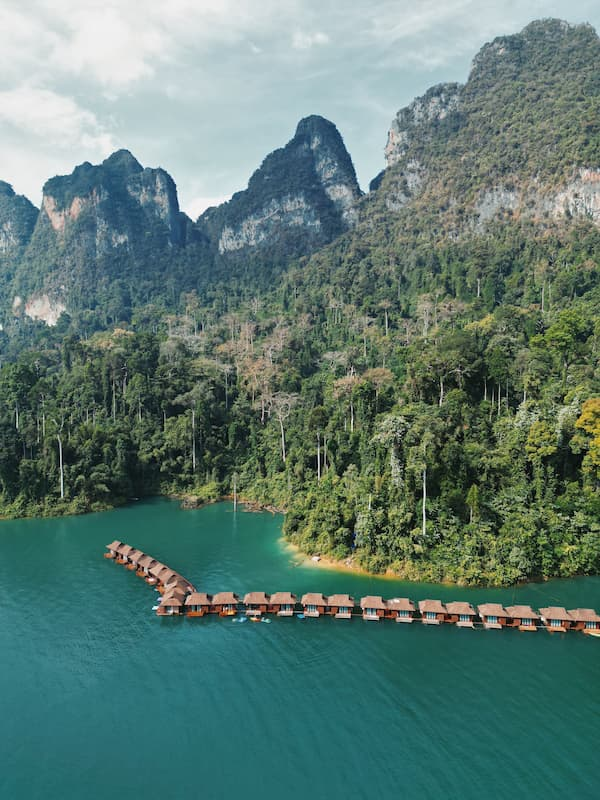
Visitors can explore jungle trails, travel along rivers by canoe, visit caves and spend the night surrounded by forest. Cheow Lan Lake is the park’s most iconic attraction, where towering limestone formations rise from emerald water and floating raft houses provide an opportunity to stay deep within the natural landscape.
Khao Sok is particularly suited to nature lovers, couples, families with older children and travellers wanting to add adventure to a coastal holiday. Most visitors stay between two and four days, often combining the park with Phuket, Khao Lak, Krabi or the Gulf Coast.
Continue to our Khao Sok guide to discover the national park, Cheow Lan Lake, accommodation options and practical advice for planning your visit.
Hat Yai
Southern Thailand’s Food, Shopping and Transport Hub
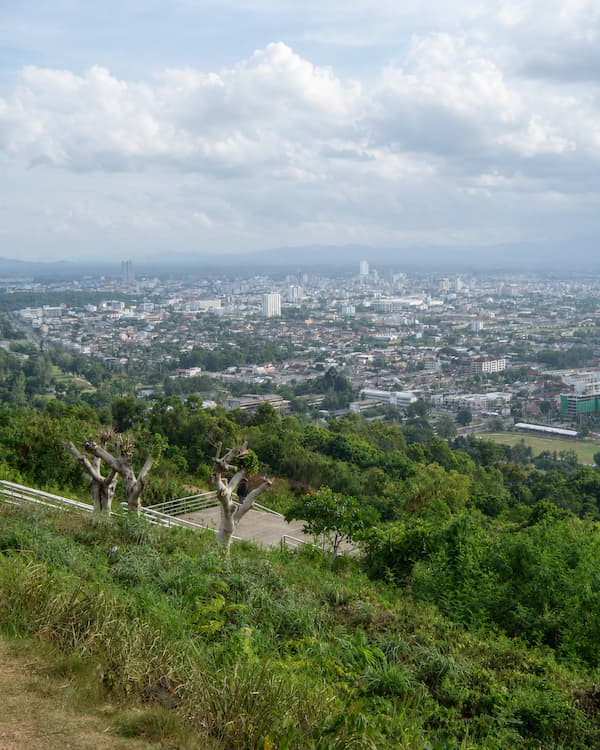
Hat Yai is Southern Thailand’s largest urban centre and offers a very different experience from the region’s beaches and islands. Its appeal lies in energetic markets, regional food, shopping and everyday city life shaped by the cultural connections between southern Thailand and neighbouring Malaysia.
Kim Yong Market and Santisuk Market introduce visitors to local produce, snacks, imported goods and the commercial character of the city centre. Hat Yai is also known for its restaurants, street food and evening markets, while temples, viewpoints and municipal parks provide opportunities to explore beyond its busiest shopping districts.
Hat Yai is particularly rewarding for food lovers, independent travellers and visitors wanting to experience urban Southern Thailand. Its airport, railway station and road connections also make it an important gateway to Songkhla, Satun, Trang and destinations farther south.
Continue to our comprehensive Hat Yai guide to explore the city’s markets, food, attractions, accommodation and regional transport connections.
Trang
Local Food and Quieter Andaman Islands
Trang offers a quieter introduction to Southern Thailand’s Andaman Coast, combining an everyday provincial city, distinctive regional cuisine and access to beautiful islands that remain less developed than many of the region’s famous resort destinations.
Trang Town is known for its morning markets, traditional restaurants and strong local food culture, including dim sum, roast pork and regional sweets. Along the coast, Pak Meng and nearby piers provide access to Koh Mook, Koh Kradan and Koh Ngai, while the Emerald Cave and surrounding reefs create opportunities for boat trips, snorkelling and island exploration.
Trang is particularly suited to food lovers, couples and independent travellers seeking peaceful islands and a more locally grounded experience. It can be combined naturally with Koh Lanta, Koh Lipe, Satun or a wider journey through the southern Andaman provinces.
Continue to our comprehensive Trang guide to explore the city’s food, islands, beaches, attractions and transport connections.
Khanom
Quiet Gulf Beaches and Coastal Nature
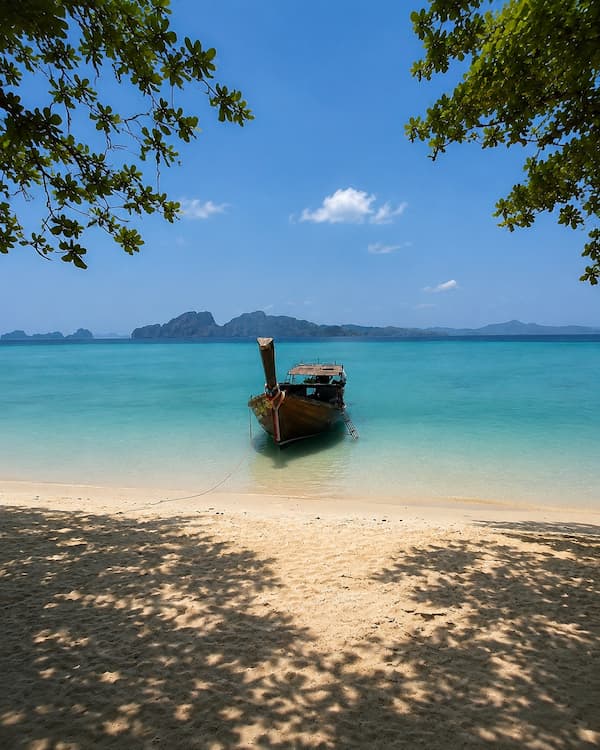
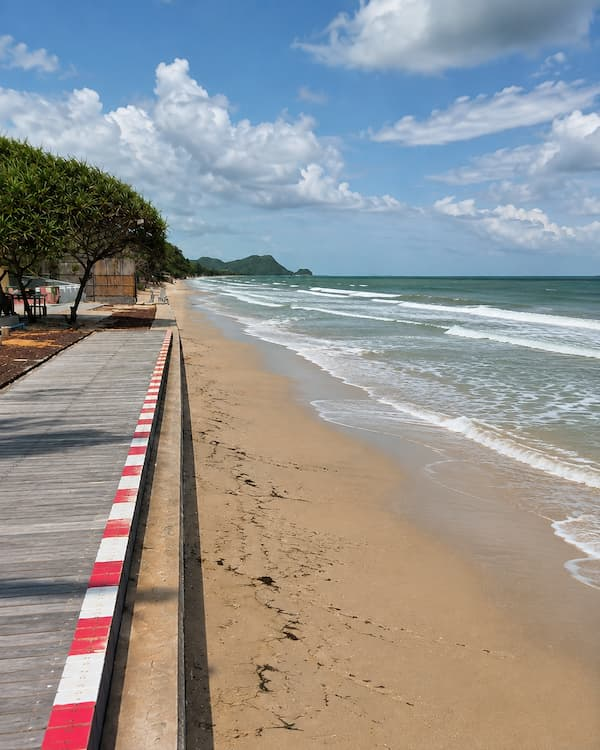
Khanom is a peaceful mainland destination on Southern Thailand’s Gulf Coast, known for long beaches, forested hills and a relaxed atmosphere far removed from the region’s busier resort centres. Its mainland setting offers a coastal escape without requiring a ferry or highly developed tourism infrastructure.
The area’s beaches are supported by small resorts, local restaurants and communities that retain a slower pace of life. Boat excursions are associated with opportunities to observe the Gulf’s distinctive pink dolphins, while nearby caves, waterfalls, viewpoints and coastal roads provide additional reasons to explore beyond the beach.
Khanom is particularly well suited to couples, families, road-trip travellers and repeat visitors looking for an uncrowded coastline. Its location makes it convenient to combine with Nakhon Si Thammarat, Surat Thani, Donsak and ferry connections to the Gulf islands.
Continue to our comprehensive Khanom guide to discover its beaches, natural attractions, accommodation and local experiences.
Things to Do in Southern Thailand
Southern Thailand offers far more than relaxing beside the sea. Across the region, visitors can combine island adventures, outdoor activities, cultural discoveries, wildlife experiences and local food within a single journey.
The range of experiences differs considerably between destinations. Phuket and Koh Samui provide extensive organised activities, while Krabi and Khao Sok are particularly strong for nature and adventure. Smaller islands and quieter provinces reward travellers interested in snorkelling, local communities and slower exploration.
Island Hopping and Boat Tours
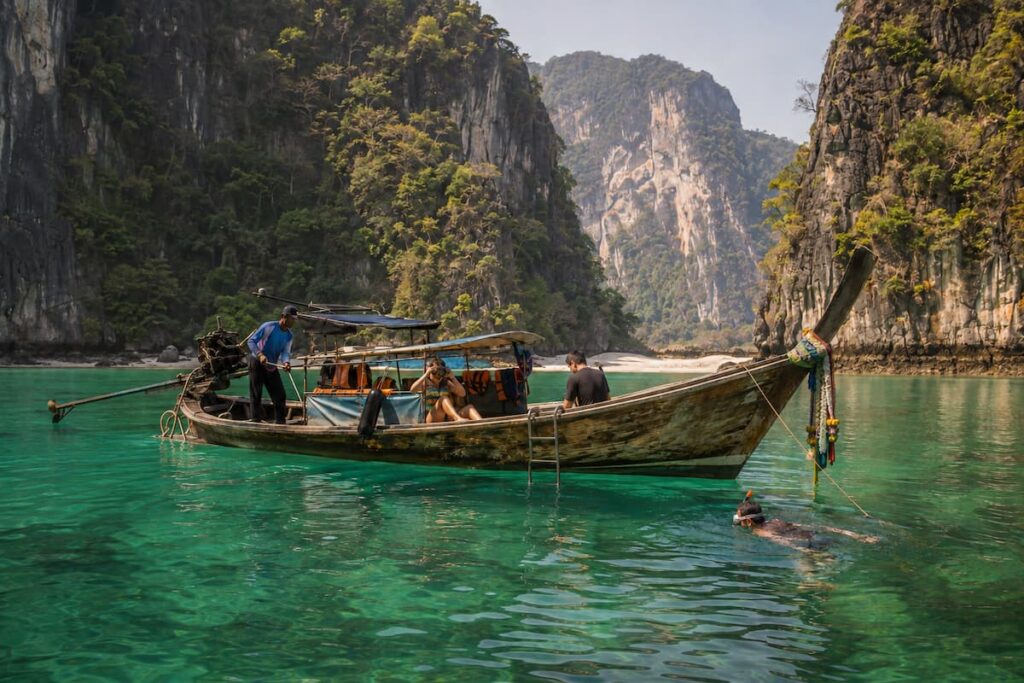
Boat journeys are among Southern Thailand’s most popular experiences, providing access to beaches, marine parks, lagoons and islands that cannot be reached by road. Excursions range from fast-paced speedboat tours visiting several locations to private longtail boats and more relaxed catamaran cruises.
Popular routes include the Phi Phi and Hong islands from Phuket or Krabi, Phang Nga Bay excursions, trips to the Similan Islands from Khao Lak and journeys through Ang Thong National Marine Park from Koh Samui. Smaller island groups around Trang, Satun and Koh Lanta offer additional opportunities away from the busiest routes.
Choosing the right tour involves more than comparing destinations. Group size, boat type, departure time, included fees and time spent at each stop can significantly affect the experience. Travellers should also select responsible operators that respect marine-park regulations and environmentally sensitive locations.
Snorkelling and Diving
Southern Thailand contains some of the country’s most rewarding underwater environments, with coral reefs, tropical marine life and dive sites suited to both beginners and experienced divers.
Koh Tao is one of Thailand’s best-known places to learn scuba diving, with numerous schools and accessible training sites. The Similan and Surin Islands are internationally recognised for clear water and marine diversity, while Koh Lipe, Koh Phi Phi and the islands around Trang and Koh Lanta offer excellent snorkelling and diving opportunities.
Visitors who prefer to snorkel directly from the beach can find suitable locations around Koh Tao, Koh Lipe and several smaller Phuket beaches when conditions are favourable. Many island tours also include snorkelling stops, although the quality of the experience can depend on group size, weather and the time allowed in the water.
Conditions vary by season, and not every reef is suitable throughout the year. Travellers should avoid standing on coral, feeding marine life or using operators that disregard conservation rules.
Rainforest and Wildlife Experiences
Beyond its beaches and islands, Southern Thailand contains ancient rainforest, wetlands, mangroves and protected habitats supporting an extraordinary variety of wildlife. These natural environments provide a very different experience from the region’s coastal resorts.
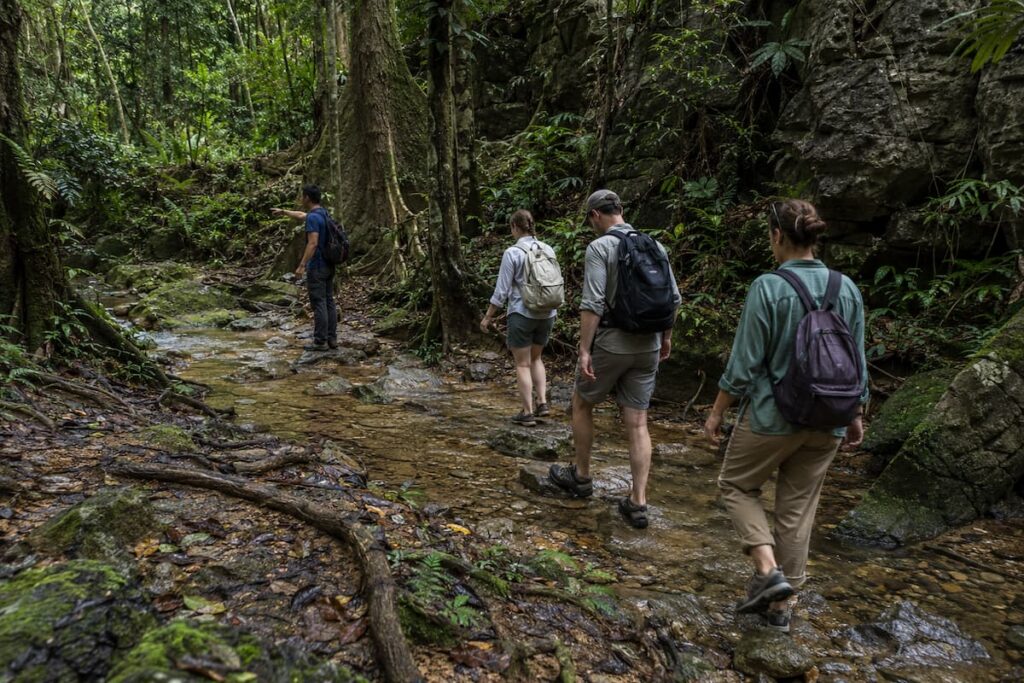
Khao Sok National Park is the region’s best-known rainforest destination, offering jungle walks, river journeys, wildlife observation and stays around Cheow Lan Lake. Other national parks across Krabi, Phang Nga, Trang, Ranong and Nakhon Si Thammarat protect waterfalls, caves, forests and mountain landscapes.
Mangrove kayaking and guided boat trips provide opportunities to explore coastal ecosystems around Phang Nga Bay, Krabi and other sheltered waterways. Responsible wildlife experiences may also introduce visitors to birds, monkeys, reptiles and marine animals within their natural environments.
Wildlife sightings can never be guaranteed, and ethical experiences should prioritise observation rather than direct interaction. Travellers should avoid attractions offering performances, forced contact or activities that compromise animal welfare.
Continue to our Best National Parks in Southern Thailand guide to discover the region’s rainforest, wildlife habitats and protected natural environments.
Temples, Culture and Heritage
Southern Thailand’s cultural identity has been shaped by Buddhist traditions, maritime trade, Chinese migration, Muslim communities and centuries of connection with neighbouring regions. Temples, historic neighbourhoods, shrines and local festivals reveal a side of the south that extends far beyond its beaches.
Nakhon Si Thammarat is one of the region’s most important cultural destinations and home to Wat Phra Mahathat Woramahawihan, among Southern Thailand’s most revered Buddhist temples. Phuket Old Town showcases Sino-Portuguese architecture and Chinese shrines, while Songkhla Old Town combines heritage buildings, street art and traditional communities.
Across the region, visitors can also discover local mosques, fishing villages, museums, handicrafts and festivals reflecting the south’s diverse population. Travellers should dress respectfully at religious sites and ask permission before photographing people, ceremonies or places of worship.
Continue to our Best Temples in Southern Thailand guide to explore the region’s Buddhist landmarks, sacred sites and cultural heritage.
Food, Markets and Local Experiences
Southern Thai cuisine is known for bold flavours, aromatic spices, fresh seafood and dishes influenced by the region’s coastal geography and multicultural history. Exploring local food provides one of the most accessible ways to understand Southern Thailand beyond its major attractions.
Phuket, Hat Yai, Trang, Surat Thani and Nakhon Si Thammarat each offer distinctive dining traditions and busy local markets. Visitors can sample spicy curries, seafood, roti, rice dishes, dim sum and regional sweets, with recipes and ingredients varying considerably between provinces.
Night markets provide a convenient introduction to local flavours, while morning markets reveal more about everyday food culture and regional produce. Cooking classes, community visits and independently owned restaurants can add greater depth than dining only within resort areas.
Travellers with dietary restrictions should communicate clearly, particularly because fish sauce, shrimp paste and other seafood-based ingredients are widely used in Southern Thai cooking.
Continue to our Thai Food and Culinary Experiences guide to discover regional dishes, markets and local dining traditions.
Adventure and Active Experiences
Southern Thailand’s landscapes create opportunities for adventure both on land and water. Limestone cliffs, rainforest trails, caves, rivers and tropical coastlines allow travellers to include physical challenges alongside more relaxed beach experiences.
Krabi is internationally recognised for rock climbing around Railay and Tonsai, while Khao Sok offers jungle trekking, canoeing and cave exploration. Kayaking through the sea caves and lagoons of Phang Nga Bay provides a more accessible adventure, while surfing is possible at selected Phuket beaches during the southwest monsoon.
Diving, hiking, cycling and stand-up paddleboarding are available across many destinations, with experiences ranging from beginner-friendly activities to demanding guided expeditions. Conditions, equipment standards and operator quality can vary, so travellers should choose reputable providers and select activities appropriate to their experience and fitness.
Continue to our Adventure Activities in Southern Thailand guide to explore climbing, trekking, kayaking, surfing and other active experiences across the region.
Family-Friendly Experiences
Southern Thailand offers a wide range of experiences suitable for families, from calm beaches and resort activities to wildlife encounters, cultural attractions and gentle outdoor adventures.
Phuket and Koh Samui provide the broadest selection of family accommodation, organised activities and convenient visitor facilities. Khao Lak offers a quieter beach environment, while Krabi combines family-friendly resorts with boat trips, kayaking and accessible natural attractions. Families with older children may also enjoy rainforest experiences around Khao Sok.
The best activities depend on children’s ages, swimming ability and comfort with boat travel. Short island excursions, water parks, aquariums, ethical wildlife experiences, markets and easy nature walks can all be incorporated without making the itinerary overly demanding.
Families should consider travel times carefully, particularly when combining islands or transferring between coasts. Choosing fewer destinations and allowing more time in each location often creates a more enjoyable and flexible holiday.
Continue to our Southern Thailand with Children guide for family-friendly destinations, activities and practical planning advice.
Nightlife and Entertainment
Southern Thailand’s nightlife ranges from large entertainment districts and beach clubs to relaxed sunset bars, night markets and occasional island celebrations. The experience varies considerably depending on the destination.
Patong provides the region’s greatest concentration of nightlife, with Bangla Road, live music, clubs and entertainment continuing late into the evening. Chaweng on Koh Samui offers another established nightlife centre, while Haad Rin on Koh Phangan is internationally known for the Full Moon Party.
Travellers wanting a more relaxed evening will find beachfront restaurants, sunset bars and night markets throughout Phuket, Krabi, Koh Lanta, Khao Lak and the Gulf Islands. These provide opportunities to enjoy the evening atmosphere without entering the region’s busiest entertainment areas.
Visitors attending major parties should plan transport and accommodation in advance, protect personal belongings and avoid travelling by boat or road with unsafe operators.
Continue to our Nightlife in Southern Thailand guide to compare destinations, entertainment areas and different styles of evening experience.
Must-See Attractions in Southern Thailand
Southern Thailand’s most recognisable attractions are shaped largely by the region’s extraordinary natural landscapes. Limestone bays, tropical islands, rainforest lakes and protected marine environments sit alongside historic towns, temples and cultural landmarks.
These attractions are spread across a vast region, so most visitors will experience only those close to their chosen destinations. Understanding where each attraction is located can help you avoid building an itinerary that requires excessive travel.
Phang Nga Bay
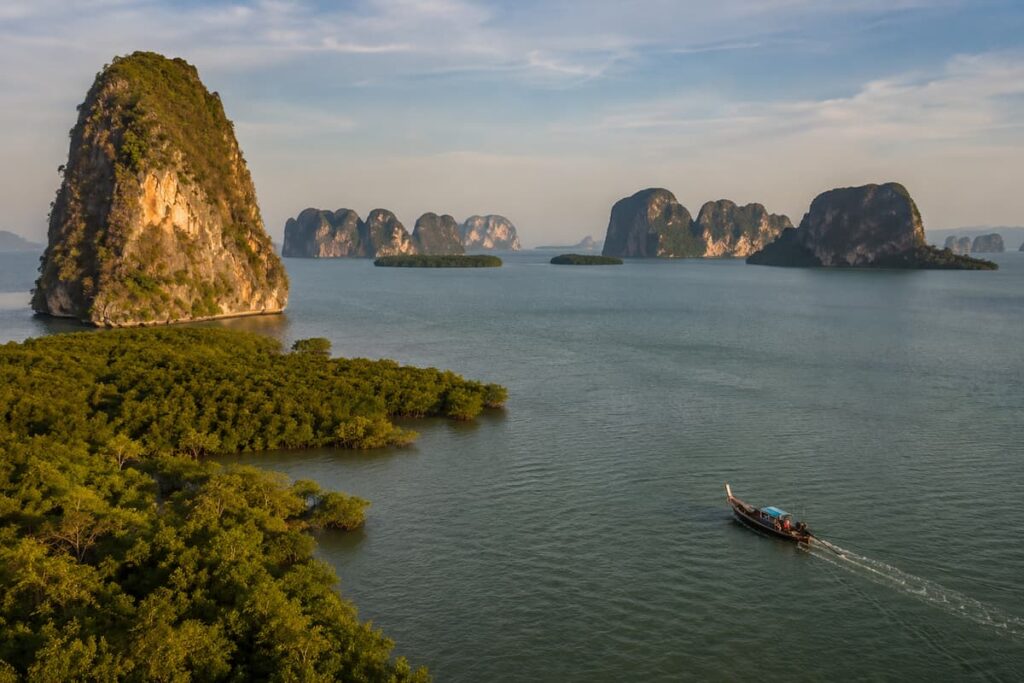
Phang Nga Bay is one of Southern Thailand’s defining landscapes, where limestone formations rise dramatically from calm, sheltered water. Boat journeys through the bay reveal sea caves, hidden lagoons, mangrove forests and traditional communities built around the water.
James Bond Island is its most famous landmark, but kayaking through the caves and visiting locations beyond the principal sightseeing stop often provide a more complete experience. Tours depart from Phuket, Krabi and mainland Phang Nga, with routes and travel times varying by departure point.
Continue to our Must-See Attractions in Southern Thailand guide to discover more of the region’s iconic landmarks and natural wonders.
Railay Beach
Railay Beach is one of Southern Thailand’s most spectacular coastal destinations, surrounded by towering limestone cliffs and accessible only by boat despite being connected to the mainland.
The peninsula contains several distinct areas. Railay West provides the principal swimming beach and sunset views, Railay East offers mangroves and accommodation, while Phra Nang Beach is renowned for its dramatic scenery, clear water and distinctive cave shrine.
Railay is also internationally recognised for rock climbing, with routes suitable for beginners and experienced climbers. Visitors can stay on the peninsula or explore it as a day trip from Ao Nang and other parts of Krabi.
Maya Bay
Maya Bay is one of Southern Thailand’s most recognisable natural attractions, enclosed by towering limestone cliffs on Koh Phi Phi Le. Its appearance in the film The Beach transformed the bay into an international bucket-list destination.
Visitors now enter through Loh Samah Bay and follow a walking route across the island to the beach. Conservation measures limit how the bay can be experienced, and swimming is not permitted beyond the designated shallow-water area.
Maya Bay is undeniably beautiful and iconic, but the visit itself is relatively brief. It is best experienced as one stop within a broader Phi Phi Islands tour that also includes limestone scenery, snorkelling and other bays or islands.
Cheow Lan Lake
Cheow Lan Lake is one of Southern Thailand’s most extraordinary inland landscapes, where emerald water winds between rainforest-covered limestone mountains within Khao Sok National Park.
Boat journeys across the lake reveal caves, hidden waterways and dramatic rock formations, while floating raft houses allow visitors to stay surrounded by forest far from conventional towns and resorts. Activities can include kayaking, hiking, wildlife observation and guided cave exploration.
The lake can be visited on a day trip, but staying overnight provides a more immersive experience and allows travellers to experience the landscape during the quieter early morning and evening hours.
Similan Islands
The Similan Islands are among Southern Thailand’s most celebrated marine destinations, known for clear water, granite rock formations, white-sand beaches and exceptional diving and snorkelling.
Located in the Andaman Sea west of Khao Lak, the protected island group is generally visited through organised day trips or liveaboard diving journeys. Khao Lak provides the most convenient departure point, although tours are also sold from Phuket with considerably longer transfer times.
The islands operate seasonally, and access may be suspended during the southwest monsoon to protect visitors and allow the marine environment to recover. Visitor limits and national park regulations can also affect availability, making advance planning worthwhile.
Ang Thong National Marine Park
Ang Thong National Marine Park is a protected archipelago in the Gulf of Thailand, comprising forested limestone islands, sheltered bays, beaches and elevated viewpoints.
Boat tours typically depart from Koh Samui and Koh Phangan, combining sightseeing with kayaking, snorkelling and time ashore. One of the park’s most recognisable locations is the emerald saltwater lagoon on Koh Mae Ko, reached by a steep staircase to an elevated viewpoint.
The experience varies according to boat type and itinerary. Speedboats provide faster transfers, while larger vessels generally offer a slower and more comfortable journey. Weather and sea conditions can affect access throughout the year.
Phuket Old Town
Phuket Old Town reveals the cultural and historical side of Southern Thailand’s largest island. Its colourful streets combine Sino-Portuguese architecture, Chinese shrines, Buddhist temples, museums, cafés and long-established local businesses.
Thalang Road forms the centre of the heritage district, while nearby Dibuk, Phang Nga and Krabi roads offer additional architecture, street art and dining. The Sunday Walking Street Market brings food stalls, crafts and evening activity to the historic centre.
Exploring the area provides valuable contrast to Phuket’s beach destinations and introduces visitors to the island’s history of maritime trade, tin mining and migration.
Wat Phra Mahathat Woramahawihan
Wat Phra Mahathat Woramahawihan in Nakhon Si Thammarat is one of Southern Thailand’s most important Buddhist temples and a major centre of religious and cultural heritage.
The temple complex is distinguished by its large white chedi, believed to enshrine relics of the Buddha, surrounded by smaller chedis, shrines and historic religious structures. It remains an active place of worship and pilgrimage rather than simply a visitor attraction.
Visiting the temple provides insight into the deep Buddhist traditions of Southern Thailand and offers a cultural experience far removed from the region’s beach resorts. Visitors should dress modestly, behave respectfully and avoid disrupting worship or ceremonies.
Southern Thailand’s Beaches
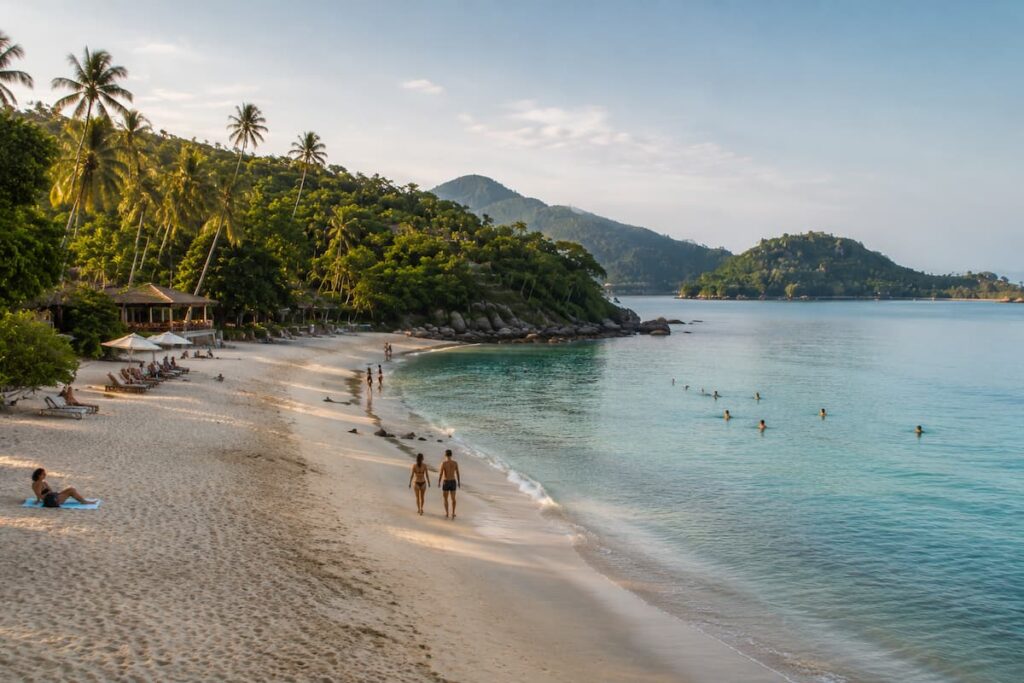
Southern Thailand contains many of the country’s most celebrated beaches, ranging from lively resort coastlines with extensive visitor facilities to secluded island bays reached only by boat. The best choice depends on whether you value convenience, swimming, scenery, nightlife, snorkelling or peaceful surroundings.
Beach conditions also vary by coast and season. Calm, clear water may make one destination ideal at a particular time of year, while monsoon winds and stronger currents can affect swimming and boat access elsewhere. Understanding the location and character of each beach is therefore just as important as its appearance.
Popular Resort Beaches
Travellers wanting accommodation, restaurants and activities close to the sand will find the greatest choice around Southern Thailand’s established resort destinations. Patong, Kata and Karon are among Phuket’s most accessible beaches, while Ao Nang provides a convenient coastal base for exploring Krabi.
On the Gulf Coast, Chaweng and Lamai offer Koh Samui’s broadest selection of resorts and visitor facilities. Khao Lak’s long mainland beaches provide a more relaxed resort experience, while Koh Lanta offers spacious beaches suited to families and longer stays.
These destinations are best for visitors who want a beach-centred holiday without sacrificing convenience, dining or access to organised activities.
Peaceful Beaches and Coastal Escapes
Travellers looking for a quieter beach experience will find excellent alternatives beyond Southern Thailand’s principal resort centres. Nai Harn, Nai Yang and Mai Khao offer calmer surroundings in Phuket, while Klong Muang and Tub Kaek provide peaceful coastal settings away from the busier atmosphere of Ao Nang.
Khao Lak is particularly well suited to travellers seeking long, uncrowded beaches and a slower pace. Khanom offers another relaxed mainland alternative on the Gulf Coast, with small resorts and stretches of coastline that remain largely removed from mass tourism.
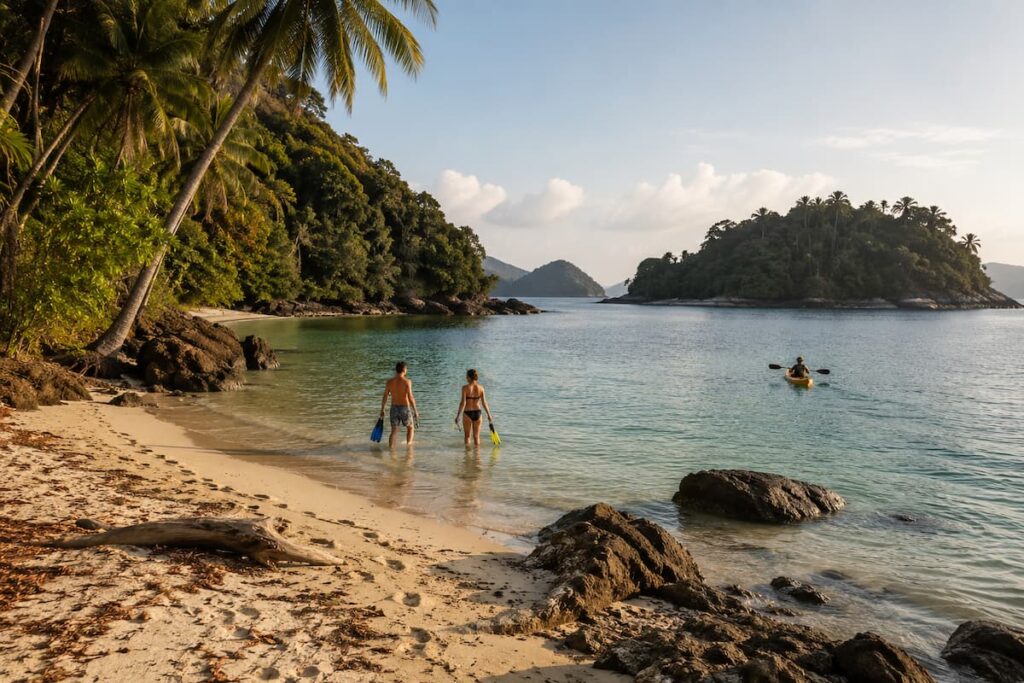
The islands provide even more opportunities for seclusion. Koh Yao, Koh Lanta, Koh Mook and parts of Koh Phangan offer quiet beaches supported by enough accommodation and dining to remain comfortable. Smaller bays may have limited transport and visitor facilities, so checking accessibility before choosing accommodation is important.
These destinations are ideal for couples, families and independent travellers who value tranquillity more than nightlife, shopping or extensive entertainment.
Beaches for Snorkelling and Water Activities
Some of Southern Thailand’s beaches are best chosen for the experiences available in and around the water. Clear conditions, nearby coral reefs and sheltered bays make particular destinations especially rewarding for snorkelling, kayaking and diving.
Koh Tao is one of the region’s strongest choices for accessible snorkelling and scuba diving, while Koh Lipe offers clear water and coral reefs close to several beaches. The Similan and Surin Islands are internationally recognised for marine life, although they are generally visited through organised excursions rather than conventional beach stays.
Around Phuket, smaller beaches such as Ao Sane, Ya Nui and Merlin Beach can provide convenient snorkelling during suitable conditions. The islands surrounding Krabi, Trang and Koh Lanta also offer excellent boat-based opportunities to explore reefs, lagoons and sheltered bays.
Conditions can change significantly with weather, tides and seasonal currents. Travellers should follow local safety advice, avoid touching coral and choose responsible operators when visiting sensitive marine environments.
Beaches for Spectacular Scenery
Southern Thailand’s most visually striking beaches are often surrounded by limestone cliffs, forested islands and turquoise bays. Railay Beach and neighbouring Phra Nang Beach are among Krabi’s defining landscapes, combining dramatic rock formations with beautiful coastal scenery.
Maya Bay is one of the region’s most recognisable locations, although it is best experienced as a protected attraction within a wider Phi Phi Islands excursion rather than as a conventional beach day. Koh Kradan, Koh Lipe and several of the Trang islands also offer the white sand and clear water commonly associated with a tropical island escape.
Scenery alone does not always determine the best beach experience. Famous locations may be busy, access may require boat travel, and conservation rules can limit swimming or other activities. Quieter beaches may offer a more relaxing day even when they are less internationally recognised.
Continue to our Best Beaches in Southern Thailand guide to compare the region’s resort beaches, quiet coastal escapes, snorkelling locations and most spectacular island settings.
The Islands of Southern Thailand
Southern Thailand’s islands are often presented as though they offer interchangeable versions of the same tropical holiday. In reality, choosing the right island can significantly affect your experience. Some provide airports, extensive resorts and lively visitor centres, while others require longer boat journeys and offer little beyond beaches, small communities and simple accommodation.
In my experience, the best island is not necessarily the one with the most beautiful photograph. Accessibility, atmosphere, accommodation, activities and the amount of time available matter just as much. Phuket, Koh Samui, Koh Lanta, Koh Tao and Koh Lipe can all create excellent holidays, but they suit very different travellers.
The islands are divided primarily between the Andaman Sea and the Gulf of Thailand. Each coast has different landscapes, transport routes and seasonal weather patterns, making location especially important when deciding where and when to travel.
Andaman Sea Islands
The Andaman Sea is known for dramatic limestone scenery, exceptionally clear water and some of Thailand’s most photographed island landscapes. Phuket is the largest and most developed island, while Koh Lanta offers a more relaxed environment suited to families and longer stays.
The Phi Phi Islands attract visitors with towering cliffs, turquoise bays and famous locations such as Maya Bay. Koh Yao Noi and Koh Yao Yai provide quieter alternatives within Phang Nga Bay, while Koh Lipe, Koh Mook, Koh Kradan and the islands around Trang appeal to travellers seeking smaller tropical destinations.
Marine environments such as the Similan, Surin and Tarutao island groups are especially valued for diving, snorkelling and protected natural scenery. Access to some islands and marine parks is seasonal, making advance planning particularly important.
Continue to our Best Islands in Southern Thailand guide to compare the Andaman and Gulf islands and discover which destination best matches your holiday.
Gulf of Thailand Islands
The Gulf of Thailand offers a different style of island travel, centred primarily around Koh Samui, Koh Phangan and Koh Tao. Regular ferry connections make these islands relatively easy to combine, while each provides a distinctly different atmosphere.
Koh Samui offers the greatest choice of resorts, restaurants and visitor facilities, making it particularly suitable for families, couples and travellers seeking convenience. Koh Phangan combines famous nightlife with quiet beaches, wellness retreats and relaxed coastal communities. Koh Tao is smaller and best known for diving, snorkelling and its informal island atmosphere.
The Gulf Islands follow a different seasonal weather pattern from the Andaman Coast, meaning they may provide an alternative when conditions are less favourable on Thailand’s western coastline. Visitors should still consider local forecasts and ferry conditions when planning their journey.
Choosing the Right Island
The best island in Southern Thailand depends less on which has the most beautiful beach and more on the experience you want from your holiday. Accessibility, accommodation, atmosphere, activities and seasonal conditions can all influence whether an island is right for you.
Choose Phuket or Koh Samui if you want extensive accommodation, dining, transport and visitor facilities. Consider Koh Lanta or Koh Phangan for a more relaxed island experience without becoming completely isolated. Koh Tao is particularly suitable for diving, while Koh Yao appeals to travellers seeking tranquillity close to Phuket and Krabi.
Smaller islands such as Koh Lipe, Koh Mook and Koh Kradan provide a stronger sense of escape but require more travel time and offer fewer services. Protected island groups such as the Similan and Surin Islands are generally experienced through day trips or liveaboard journeys rather than conventional resort stays.
Before choosing, consider how long you have, how much travel is involved and whether you want one convenient base or a quieter island with fewer facilities. Our Best Islands in Southern Thailand guide provides a more detailed comparison of the region’s principal island destinations.
Island Hopping in Southern Thailand
Island hopping can be one of the most rewarding ways to experience Southern Thailand, but the most practical journeys usually remain within the same coast or island group. Shorter ferry connections allow travellers to explore several destinations without spending too much of their holiday in transit.
Popular Andaman routes include Phuket, Phi Phi and Krabi, or Krabi, Koh Lanta and the Trang islands. In the Gulf of Thailand, regular ferries connect Koh Samui, Koh Phangan and Koh Tao, creating one of the region’s simplest multi-island journeys.
Combining the Andaman and Gulf coasts is possible, but it requires an overland transfer and considerably more travel time. Travellers with one week will generally have a better experience concentrating on one coast, while longer holidays provide more flexibility to cross the peninsula or include mainland destinations.
Ferry schedules, sea conditions and island accessibility can change with the seasons. Allowing flexibility and checking current transport arrangements before travelling can help prevent an ambitious itinerary from becoming rushed.
Continue to our Island Hopping in Southern Thailand guide for suggested routes, transport considerations and advice on combining the region’s islands.
Where to Stay in Southern Thailand
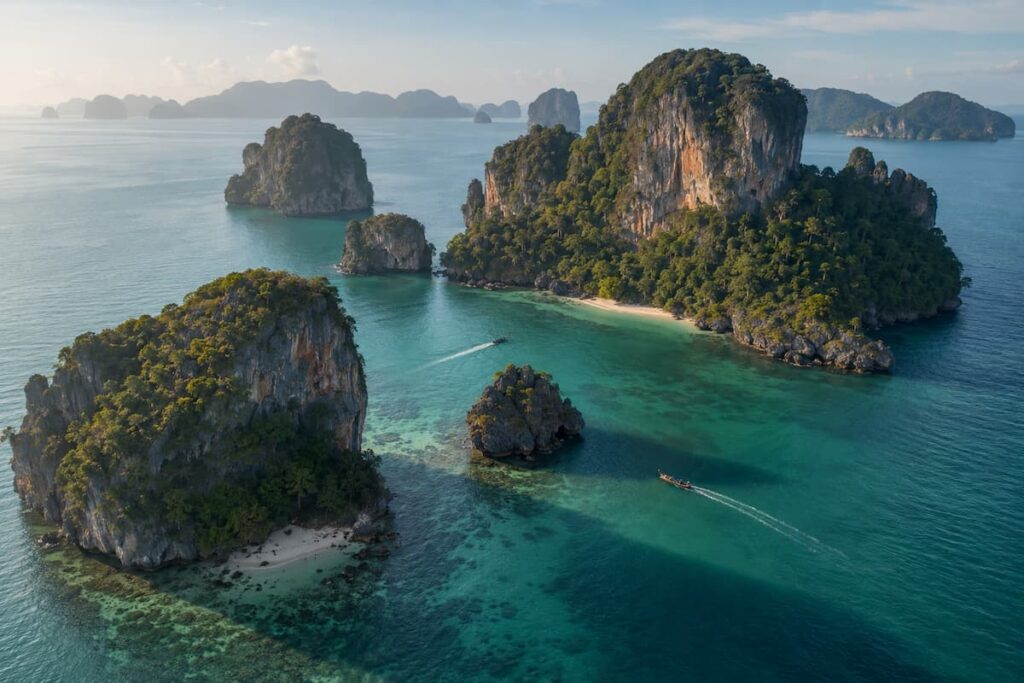
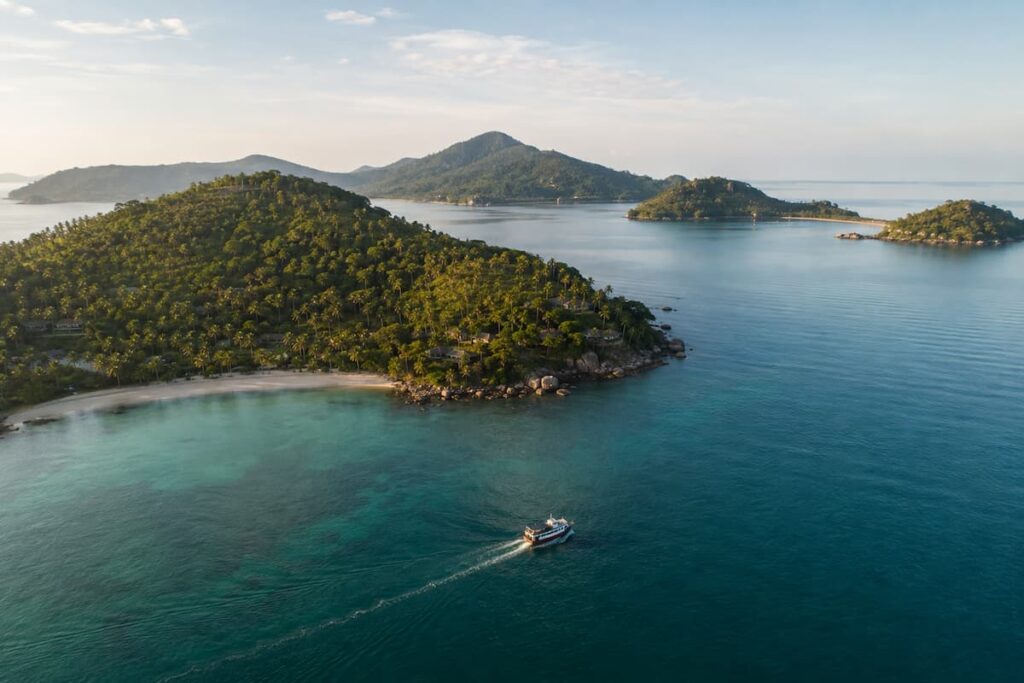
Choosing where to stay in Southern Thailand begins with selecting the right destination rather than an individual hotel. The region covers two coastlines, numerous islands, national parks and cities, with each location providing a very different style of holiday.
Some destinations offer international airports, extensive accommodation and convenient access to tours. Others require ferries or long road transfers but reward visitors with quieter beaches, natural surroundings and a stronger sense of escape.
For First-Time Visitors
Phuket is one of the easiest choices for a first visit because it combines an international airport, extensive accommodation, beaches, dining, entertainment and access to numerous day trips. Its different areas allow travellers to choose between lively Patong, family-friendly Kata and Karon, upscale Bang Tao or quieter locations such as Nai Harn.
Krabi is another strong first-time destination, particularly for travellers prioritising scenery and outdoor experiences. Ao Nang provides the most convenient base, while Railay and quieter coastal areas offer more distinctive surroundings.
Koh Samui is the Gulf Coast’s most accessible full-service island destination and suits visitors wanting a tropical island holiday supported by established resorts and visitor facilities.
Continue to our Where to Go in Southern Thailand guide for a detailed comparison of the region’s destinations.
For Beaches and Resort Convenience
Travellers wanting to stay close to the beach while retaining easy access to restaurants, shops and organised activities will find the greatest choice in Phuket, Krabi, Khao Lak and Koh Samui.
Patong, Kata and Karon provide convenient beach bases in Phuket, with each offering a different balance of nightlife, family facilities and relaxation. Ao Nang is Krabi’s most practical tourism centre, providing easy access to boat tours despite its beach being less impressive than nearby Railay and the offshore islands.
Khao Lak combines long beaches with spacious resorts and a quieter atmosphere, making it particularly attractive to couples and families. On Koh Samui, Chaweng provides the greatest concentration of amenities, while Lamai and Bophut offer slightly more relaxed alternatives.
These destinations are best suited to travellers who want a straightforward holiday with accommodation, dining, transport and excursions easily arranged from one location.
For Peace and Relaxation
Travellers seeking a quieter holiday should look beyond Southern Thailand’s busiest resort centres. Khao Lak offers long beaches, spacious resorts and a relaxed atmosphere while remaining accessible from Phuket International Airport.
Koh Lanta is particularly well suited to slower island stays, with a broad choice of beaches and enough visitor facilities to remain comfortable. Koh Yao Noi and Koh Yao Yai provide an even greater sense of escape within easy reach of Phuket and Krabi.
On the Gulf Coast, quieter areas of Koh Samui and Koh Phangan offer peaceful beaches, wellness retreats and small resorts away from the principal nightlife districts. Khanom provides another attractive option for visitors wanting a quiet mainland coastline.
These destinations suit couples, families, wellness travellers and anyone who values tranquillity more than shopping, entertainment or a large choice of organised attractions.
For Islands and Diving
Travellers building their holiday around diving, snorkelling and island life should choose a base according to the marine environments they want to explore.
Koh Tao is the region’s leading destination for learning to scuba dive, with numerous dive schools and accessible training sites. Koh Lipe offers clear water, coral reefs and snorkelling close to shore, while Koh Lanta provides access to highly regarded dive locations in the southern Andaman Sea.
Khao Lak is the most convenient mainland base for excursions to the Similan and Surin Islands. Phuket and Krabi offer the broadest selection of island tours, although reaching premium dive sites may involve longer boat journeys.
Divers should consider seasonal conditions, transfer times and the location of individual dive sites before selecting accommodation. The most convenient general holiday destination is not always the best base for a diving-focused trip.
For Nature and Adventure
Khao Sok is Southern Thailand’s strongest choice for travellers wanting rainforest, wildlife and outdoor adventure rather than a conventional beach holiday. Staying near the national park entrance provides access to jungle activities, while an overnight stay on Cheow Lan Lake creates a more immersive natural experience.
Krabi also works well for active travellers, with rock climbing, kayaking, hiking and island exploration available around Railay, Ao Nang and the surrounding national parks. Phang Nga offers sea-cave kayaking, mangrove environments and dramatic limestone scenery.
Ranong, Nakhon Si Thammarat and the region’s less-visited national parks appeal to independent travellers seeking waterfalls, rainforest and mountain landscapes beyond the major tourism routes.
Nature-focused destinations often involve additional transfers and fewer visitor facilities. Combining several nights in the rainforest with a coastal destination can provide a rewarding balance between adventure and relaxation.
For Culture and Local Experiences
Travellers interested in Southern Thailand’s history, cuisine and everyday life should consider spending time beyond the principal beach resorts.
Phuket Old Town is the most accessible cultural destination for many international visitors, combining heritage architecture, Chinese shrines, markets and local dining within easy reach of the island’s beaches. Songkhla Old Town offers another atmospheric heritage district with fewer international tourists.
Nakhon Si Thammarat is particularly important for Buddhist history and traditional southern culture, while Hat Yai and Trang are rewarding destinations for markets and regional food. Surat Thani provides insight into a busy provincial city that many travellers otherwise experience only as a transport connection.
These destinations can be included as short stays within a wider coastal journey, adding cultural variety and a deeper understanding of Southern Thailand beyond its beaches and islands.
Getting to Southern Thailand
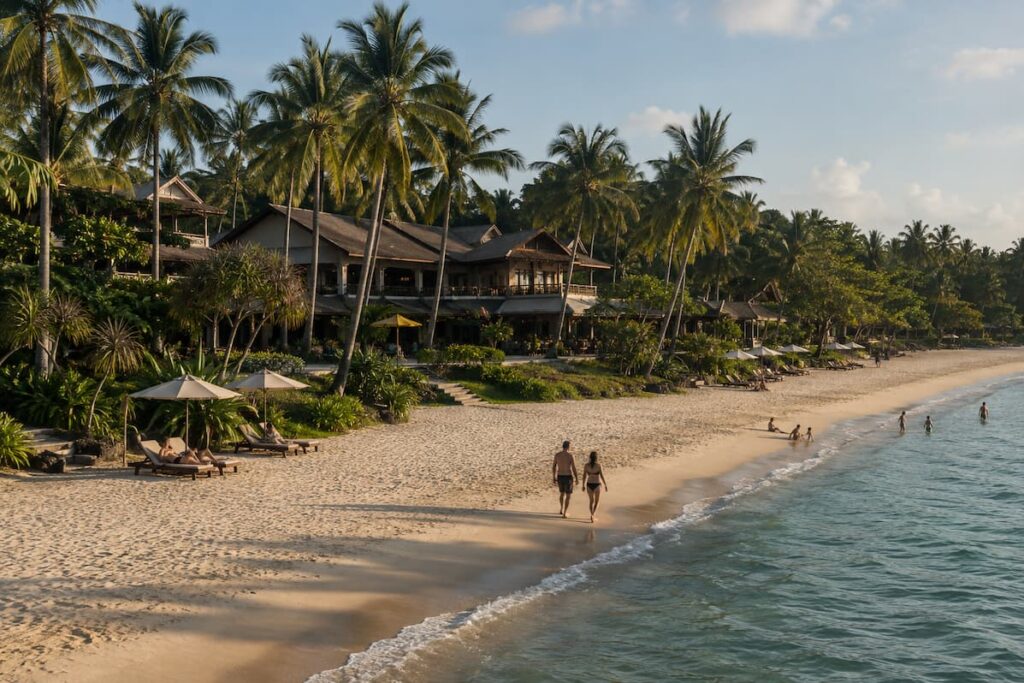
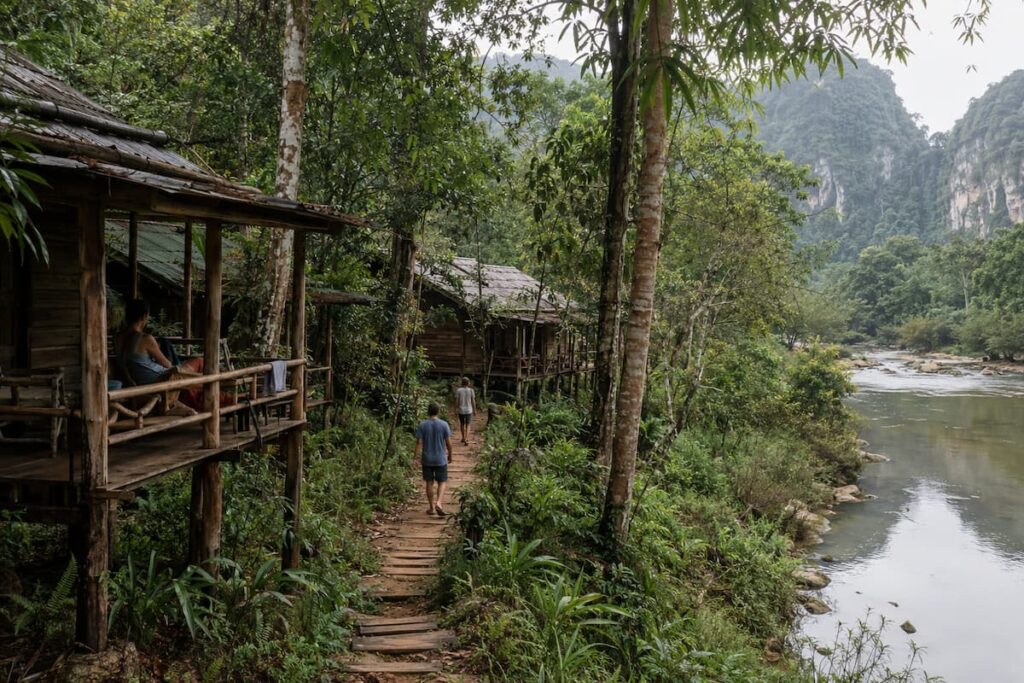
Southern Thailand is connected with Bangkok, other parts of Thailand and several international destinations through airports, long-distance buses, trains and road networks. The best arrival point depends on which coast and destination you plan to explore.
Flying into Southern Thailand
Flying is the fastest and most convenient option for most visitors. Phuket and Krabi airports provide access to the Andaman Coast, while Koh Samui and Surat Thani serve the Gulf Islands and surrounding mainland destinations. Hat Yai is the principal air gateway for the far south.
Phuket offers the widest range of international and domestic connections. Krabi is particularly convenient for Ao Nang, Railay and Koh Lanta, while Surat Thani is often used as a lower-cost gateway to Koh Samui, Koh Phangan and Koh Tao through combined bus-and-ferry transfers.
Choosing the nearest airport does not always guarantee the simplest journey. Travellers should compare flight prices, arrival times, onward transfers and ferry schedules before booking, especially when travelling to an island.
Travelling from Bangkok
Bangkok is the principal starting point for journeys into Southern Thailand, with flights, trains and long-distance buses connecting the capital with destinations across the region.
Domestic flights provide the fastest option, with frequent services to Phuket, Krabi, Surat Thani, Nakhon Si Thammarat, Hat Yai and other regional airports. Flying is generally the most practical choice for travellers with limited time.
Overnight trains offer a slower but more scenic journey along the Gulf side of the peninsula. Surat Thani is the most useful rail stop for Khao Sok and the Gulf Islands, while services continuing south connect with destinations such as Hat Yai. Phuket and Krabi do not have railway stations and require onward road transfers.
Long-distance buses connect Bangkok with most major southern destinations and may provide direct access to places not served by rail. Journey times are substantial, so comfort, arrival time and onward transport should be considered before choosing this option.
Arriving from Other Parts of Thailand
Travellers can reach Southern Thailand from other regions through Bangkok or use direct domestic flights and long-distance transport connections where available.
Flights between Chiang Mai and major southern airports such as Phuket, Krabi and Surat Thani can avoid the need to change planes in Bangkok, although schedules vary. Visitors travelling from Pattaya or Eastern Thailand may find flights from Bangkok’s airports more practical than completing the entire journey by road.
Long-distance buses connect Southern Thailand with Bangkok and selected provincial centres, while trains travelling down the peninsula provide connections from Central Thailand to Chumphon, Surat Thani, Nakhon Si Thammarat and Hat Yai.
Because Southern Thailand is geographically long and narrow, arriving in the region does not necessarily mean you are close to your final destination. Checking the complete journey—including airport transfers, road travel and ferry connections—can prevent unexpectedly long travel days.
International Connections
Phuket provides Southern Thailand’s broadest range of direct international flights, making it the region’s principal gateway for visitors arriving from overseas. Krabi, Koh Samui and Hat Yai also receive selected international services, although routes and frequency vary.
Travellers arriving through Bangkok can connect to Southern Thailand using frequent domestic flights from Suvarnabhumi or Don Mueang airports. Allow sufficient time when changing airports, as they are located in different parts of Bangkok.
Overland connections are available from Malaysia through border crossings and rail or bus routes leading toward Hat Yai. Seasonal ferry connections may also link Langkawi with Koh Lipe, depending on operating conditions and border arrangements.
International schedules, entry requirements and cross-border transport can change, so travellers should confirm current arrangements before finalising their journey.
Getting Around Southern Thailand
Travelling around Southern Thailand often involves combining several forms of transport. Flights connect major gateways, while buses, minivans, ferries and private transfers provide access to islands, national parks and smaller coastal destinations.
Distances can be greater than they appear on a map, particularly when journeys require ferry connections or transfers between the Andaman and Gulf coasts. Building realistic travel time into an itinerary is essential.
Flights Between Regional Gateways
Domestic flights can reduce travel time when moving between distant parts of Southern Thailand, although direct regional routes are more limited than connections through Bangkok.
Phuket, Krabi, Surat Thani, Koh Samui, Nakhon Si Thammarat and Hat Yai are the region’s principal airports. Flying may be worthwhile when travelling between the far northern and southern ends of the region or when connecting Southern Thailand with another part of the country.
For shorter journeys such as Phuket to Krabi or Surat Thani to Khao Sok, road transport is generally more practical than flying. Travellers should compare the complete door-to-door journey rather than flight time alone.
Buses and Minivans
Buses and minivans form the backbone of overland travel across Southern Thailand, connecting airports, towns, ferry piers, national parks and major visitor destinations.
Minivans are widely used for routes such as Phuket to Krabi, Krabi to Koh Lanta, Surat Thani to Khao Sok and airport transfers to ferry terminals. They can be convenient and affordable, although limited luggage space and multiple passenger pickups may increase journey times.
Larger buses are generally more comfortable for long-distance travel and connect provincial capitals with Bangkok and other southern cities. Local buses and songthaews operate within some destinations but may have limited schedules and routes that are difficult for first-time visitors to understand.
Tickets can often be arranged through transport stations, hotels and travel agencies. Confirm whether the fare includes hotel pickup, ferry tickets or transfers between terminals before booking.
Ferries and Speedboats
Ferries and speedboats connect Southern Thailand’s mainland gateways with its islands and provide transport between destinations within the same island group.
The Gulf route linking Koh Samui, Koh Phangan and Koh Tao operates regularly and is one of the region’s easiest island-hopping journeys. On the Andaman Coast, ferries and speedboats connect Phuket, Phi Phi, Krabi, Koh Lanta, Trang and Koh Lipe, although some services operate seasonally.
Larger ferries generally offer more space and stability, while speedboats reduce travel time but can feel uncomfortable in rough conditions. Travellers prone to seasickness should consider the boat type, forecast and journey length before booking.
Weather can cause delays, route changes or cancellations. Avoid planning tight connections immediately after a ferry journey, particularly when catching a flight or travelling during unsettled weather.
Private Transfers and Rental Vehicles
Private transfers provide the most convenient way to travel between airports, hotels, national parks and destinations not connected by direct public transport. They are especially useful for families, groups and travellers carrying substantial luggage.
Rental cars offer greater flexibility for exploring mainland Southern Thailand, including routes between Phuket, Khao Lak, Khao Sok, Krabi and other coastal provinces. They can also make it easier to visit viewpoints, waterfalls, temples and smaller communities beyond organised-tour routes.
Motorbike and scooter rentals are widely available in tourism destinations, but they should only be considered by properly licensed and experienced riders. Road conditions, traffic, weather and local driving practices can create significant risks.
Before renting any vehicle, confirm insurance coverage, licence requirements and the condition of the vehicle. Photographing existing damage before departure can help prevent later disputes.
Travelling Between the Andaman and Gulf Coasts
Combining the Andaman and Gulf coasts allows travellers to experience two very different sides of Southern Thailand, but crossing the peninsula requires additional time and planning.
Common routes connect Phuket, Krabi and Khao Lak with Surat Thani, Donsak Pier and the Gulf Islands. Most journeys involve a bus, minivan or private transfer followed by a ferry, with through-tickets available on some routes.
Khao Sok can serve as a useful intermediate stop between the coasts, allowing travellers to break the journey with several days of rainforest and lake exploration. This can create a more rewarding itinerary than treating the crossing solely as a transport day.
Travellers with a short holiday will generally benefit from concentrating on one coast. Combining both becomes more practical when there is enough time to allow for transfers, weather disruptions and several nights in each destination.
Planning Your Southern Thailand Trip
Southern Thailand can support everything from a short beach escape to a multi-week journey across islands, national parks and coastal provinces. The most rewarding itineraries balance destination choice, seasonal conditions and realistic travel times.
Best Time to Visit Southern Thailand
There is no single best time for every part of Southern Thailand because the Andaman and Gulf coasts experience different seasonal weather patterns.
The Andaman Coast—including Phuket, Krabi, Khao Lak and Koh Lanta—generally experiences its driest and most settled conditions between November and April. This period usually provides the broadest choice of island tours, marine-park access and favourable beach conditions.
The Gulf Islands follow a different pattern. Koh Samui, Koh Phangan and Koh Tao can experience favourable conditions during parts of the year when the Andaman Coast is wetter, while heavier Gulf rainfall is often concentrated later in the year.
Weather varies from year to year, and tropical rain can occur in any season. Travellers should compare the expected conditions for their specific destination rather than applying one forecast to the whole of Southern Thailand.
Continue to our Best Time to Visit Southern Thailand guide for a detailed comparison of the Andaman Coast, Gulf Coast and seasonal travel conditions.
How Long Should You Stay?
The ideal length of a Southern Thailand holiday depends on whether you plan to remain in one destination or explore several parts of the region.
A stay of five to seven days works well for one principal destination such as Phuket, Krabi, Khao Lak or Koh Samui. This allows time for beaches, local attractions and one or two excursions without making every day feel scheduled.
With 10 to 14 days, travellers can comfortably combine two or three complementary destinations. Phuket with Khao Lak and Khao Sok, Krabi with Koh Lanta, or Koh Samui with Koh Phangan and Koh Tao are all practical combinations.
A journey of three weeks or longer creates greater flexibility to explore both coastal and inland destinations or travel between the Andaman and Gulf coasts. Longer itineraries also allow time for quieter provinces and islands beyond the principal tourism routes.
Every transfer consumes part of a day, so adding more destinations does not always create a better holiday. Allowing enough time to experience each place is generally more rewarding than moving continuously.
Choosing One Destination or Several
Staying in one destination provides a simpler and more relaxing Southern Thailand holiday. Phuket, Krabi and Koh Samui each offer enough beaches, attractions and excursions to occupy visitors for a week or longer without changing accommodation.
A multi-destination journey provides greater variety but requires more planning. The most successful combinations usually connect places that offer contrasting experiences without excessive travel—for example, combining Phuket’s resort convenience with Khao Sok’s rainforest or Krabi’s coastline with the relaxed beaches of Koh Lanta.
Travellers should consider whether each additional destination adds something genuinely different. Moving between similar beach resorts may provide less value than combining a beach, island, national park and cultural destination.
For shorter holidays, one main base with several day trips is often the best approach. Longer stays provide enough time to change destinations without allowing transfers to dominate the journey.
Building a Multi-Destination Journey
The easiest Southern Thailand itineraries follow natural transport routes and combine destinations offering different experiences.
| Journey Style | Suggested Combination | Recommended Time |
|---|---|---|
| First Andaman Holiday | Phuket, Khao Lak and Khao Sok | 10–14 days |
| Krabi and Island Escape | Krabi, Railay and Koh Lanta | 8–12 days |
| Gulf Island Hopping | Koh Samui, Koh Phangan and Koh Tao | 10–14 days |
| Beaches and Rainforest | Phuket or Krabi with Khao Sok | 7–10 days |
| Andaman and Gulf Coasts | Phuket or Krabi, Khao Sok and Koh Samui | 14–21 days |
| Culture and the Far South | Hat Yai, Songkhla, Trang and surrounding destinations | 7–12 days |
These combinations are starting points rather than fixed itineraries. Travellers can adjust the number of nights according to their preferred pace, activities and arrival gateway.
When combining islands, avoid scheduling flights immediately after long ferry journeys. Adding an overnight stay near the departure airport can provide valuable protection against weather delays and missed connections.
Continue to our Making the Most of Your Southern Thailand Holiday guide for detailed itinerary ideas and advice on combining the region’s destinations.
Budgeting for Southern Thailand
Southern Thailand accommodates a wide range of budgets, but costs vary significantly between destinations. Major resort areas and remote islands are generally more expensive than mainland cities and locally focused provinces.
Accommodation will usually represent the largest expense. Phuket, Koh Samui and premium island resorts offer extensive luxury options, while Krabi, Koh Lanta, Hat Yai and mainland destinations often provide a broader range of affordable guesthouses and hotels.
Transport costs can increase quickly when an itinerary includes private transfers, multiple ferries and domestic flights. Travelling slowly, staying longer in each destination and following natural transport routes can reduce both cost and travel time.
Local restaurants and markets remain affordable across much of the region, while beachfront dining and imported food carry higher prices. Island tours, diving, national park fees and organised activities should also be included when calculating the overall budget.
Travellers should compare the complete cost of each destination rather than accommodation prices alone. A cheaper island hotel may be offset by expensive transfers, boat travel and limited dining choices.
What to Pack
Lightweight, breathable clothing is suitable for Southern Thailand’s tropical climate, together with comfortable footwear for walking, markets and sightseeing. A light rain jacket or compact umbrella remains useful throughout the year because short tropical showers can occur even during generally dry periods.
Visitors planning beach and island activities should bring swimwear, sun protection, a reusable water bottle and a secure dry bag for electronics and valuables. Reef-safe sun protection and clothing that provides UV coverage can reduce the environmental impact of marine activities.
Modest clothing covering the shoulders and knees is important when visiting Buddhist temples, mosques and culturally conservative communities. A lightweight scarf or additional layer can be carried specifically for religious sites.
Travellers visiting rainforest, caves or national parks may also need closed footwear, insect repellent and clothing suited to humid outdoor conditions. Essential medication should be carried in sufficient quantity, particularly when travelling to smaller islands where pharmacies and medical services may be limited.
Staying Safe and Healthy
Most visits to Southern Thailand are trouble-free, but travellers should take particular care around roads, boats, water activities and changing weather conditions. Wear helmets and seatbelts, avoid inexperienced scooter riding and choose reputable transport and tour operators.
Strong currents, seasonal waves and sudden weather changes can affect beaches and boat travel. Follow warning flags, lifeguard instructions and local advice, and avoid swimming in unfamiliar conditions. Travel insurance should cover planned activities such as scooter riding, diving, trekking or other adventure experiences.
Heat, dehydration, mosquitoes and stomach illness are common travel concerns. Drink sufficient water, use sun and insect protection, and carry essential medication. Medical facilities are strongest in major destinations such as Phuket, while smaller islands and remote areas may offer only limited care.
Current Australian Government advice recommends reconsidering travel to Yala, Pattani and Narathiwat because of ongoing insurgent activity. Travellers should check the latest official advice for their nationality before visiting the far south. Australian Government Thailand travel advice
For assistance in Thailand, the Tourist Police can be contacted on 1155, and medical emergencies on 1669. Tourism Authority of Thailand emergency contacts
Frequently Asked Questions
Is Southern Thailand worth visiting?
Yes. Southern Thailand offers an exceptional combination of beaches, islands, rainforest, national parks, cultural destinations and outdoor experiences. Its variety allows travellers to create anything from a relaxing resort holiday to a multi-destination adventure.
Which part of Southern Thailand is best for first-time visitors?
Phuket is the easiest all-round choice because it offers an international airport, extensive accommodation, beaches, attractions and convenient day trips. Krabi is particularly suitable for scenery and outdoor adventure, while Koh Samui provides a well-developed Gulf island experience.
Is Phuket or Krabi better?
Phuket is better for travellers wanting the widest choice of beaches, dining, nightlife, shopping and visitor facilities. Krabi is generally better for dramatic scenery, outdoor activities and a more relaxed atmosphere.
Which coast of Southern Thailand should I visit?
Choose the Andaman Coast for destinations such as Phuket, Krabi, Khao Lak and Koh Lanta. Choose the Gulf Coast for Koh Samui, Koh Phangan and Koh Tao. Your preferred destinations, activities and travel dates should all influence the decision.
When is the best time to visit Southern Thailand?
The Andaman Coast generally experiences its most favourable conditions between November and April. The Gulf Coast follows a different seasonal pattern, so travellers should check conditions for their specific destination rather than treating Southern Thailand as having one weather cycle.
How many days do you need in Southern Thailand?
Five to seven days is suitable for one main destination. Ten to fourteen days allows two or three connected destinations, while three weeks provides enough time for a broader regional journey.
Can you combine the Andaman and Gulf coasts?
Yes, but crossing the peninsula requires additional road and ferry travel. Combining both coasts is best suited to holidays of at least two weeks, particularly if Khao Sok is included between them.
Which Southern Thailand destination is best for families?
Phuket, Khao Lak, Krabi and Koh Samui are among the strongest family destinations because they offer established accommodation, visitor facilities and a broad range of activities.
Which Southern Thailand island is easiest to reach?
Phuket is the easiest island to reach because it has an international airport and road connection to the mainland. Koh Samui also has an airport, while most other islands require ferry or speedboat travel.
Is Southern Thailand expensive?
Southern Thailand can suit most budgets, but major resorts and remote islands generally cost more than mainland cities. Accommodation, private transfers, ferries, island tours and imported food can significantly affect the total cost.
Continue Exploring Southern Thailand
Southern Thailand offers far more than a single beach or island experience. Across the region, travellers can combine world-famous coastal destinations, peaceful islands, ancient rainforest, national parks, cultural cities and local communities into a journey shaped around their own interests.
Use this guide as the starting point for exploring the region, then continue into our detailed destination and planning guides to compare the places, attractions and experiences that interest you most.
Start Planning Your Southern Thailand Journey
Where to Go in Southern Thailand
Compare the region’s destinations and discover which part of Southern Thailand best matches your travel style.
Must-See Attractions in Southern Thailand
Explore the landmarks, natural wonders and unforgettable experiences that define the region.
Phuket Travel Guide
Discover Southern Thailand’s most versatile destination through detailed guides to its beaches, areas, attractions and local experiences.
Thailand Travel Guide
Broaden your journey and compare Southern Thailand with the country’s other regions, destinations and experiences.
Discover More of Southern Thailand
Go beyond the major destinations and uncover more of Southern Thailand with Go Find Asia. Explore beaches, islands, viewpoints, cafés, restaurants, cultural attractions and local experiences across one of Thailand’s most diverse regions.
Go Find Asia
Discover more of Southern Thailand →
Plan Your Southern Thailand Holiday
Ready to turn your ideas into a complete journey? Resurgence Travel helps travellers explore Southern Thailand through thoughtfully designed holiday styles, destination combinations and personalised travel planning.
Resurgence Travel
Explore Southern Thailand holidays →