
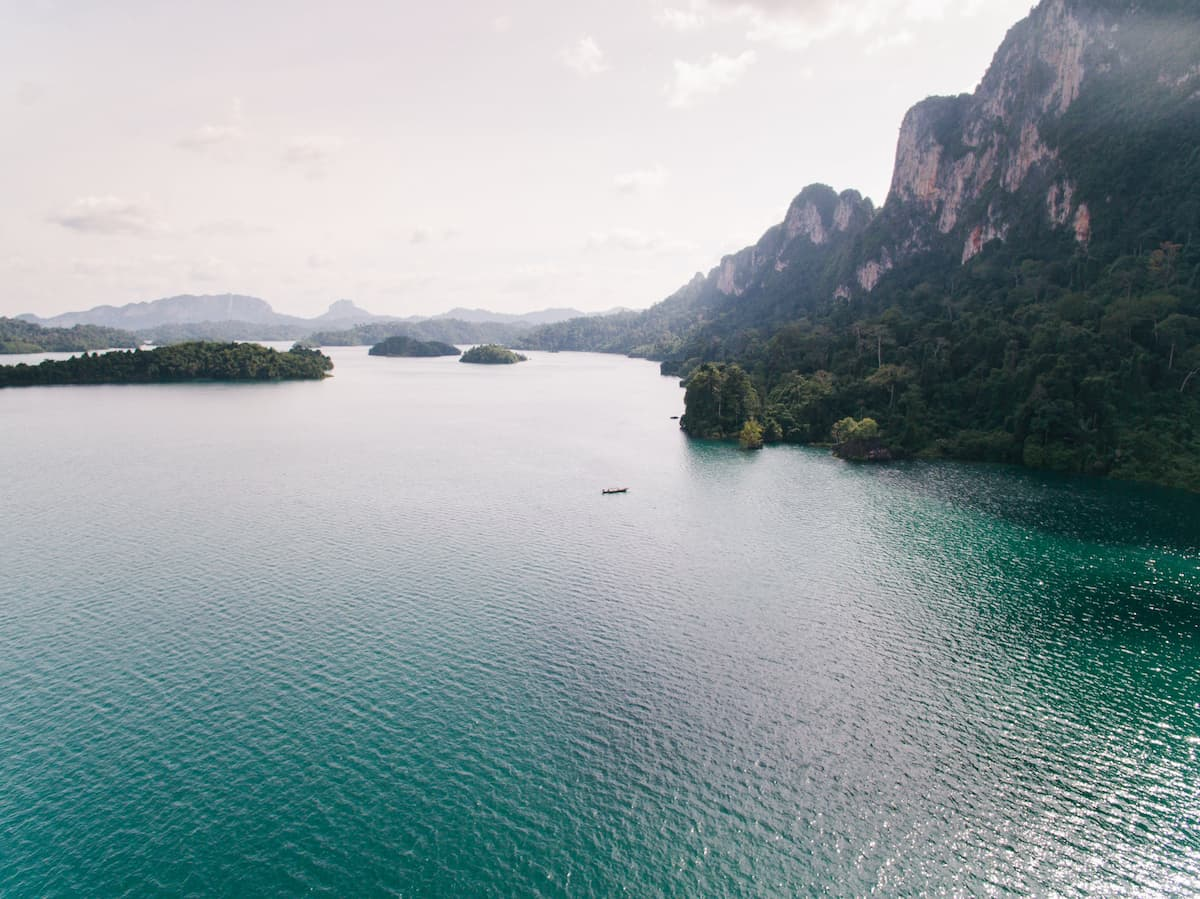
Best National Parks in Southern Thailand
With Southern Thailand stretching between the Andaman Sea and the Gulf of Thailand—and containing so many islands, beaches and protected coastal environments—it is natural that marine national parks feature prominently in this guide. However, the region’s national parks also encompass ancient rainforests, limestone mountains, waterfalls and remote island wilderness.
Rather than selecting seven parks based only on fame or popularity, I have chosen national parks offering distinctly different experiences. From rainforest trekking and overnight lake stays to sea kayaking, snorkelling, diving and remote island exploration, this guide will help you compare the possibilities and decide which experience best suits your holiday.
Across these seven national parks, I have dived, snorkelled and explored on foot, and each one is beautiful in its own way and thoroughly deserving of its protected status. These days, I tend to favour land-based experiences, but if I were planning my first journey through Southern Thailand again, there is no possibility I would leave without experiencing at least one of its remarkable marine national parks.
Quick Summary: Best National Parks in Southern Thailand
Each of these national parks offers a different way to experience Southern Thailand, from mountain forests and freshwater lakes to coral reefs, limestone islands and remote beaches.
| National park | Best for | Main experience | Recommended visit |
|---|---|---|---|
| Khao Sok National Park | Best overall experience | Rainforest, limestone mountains and Cheow Lan Lake | 2–3 days |
| Mu Ko Similan National Park | Diving | Coral reefs, marine life and granite islands | Day trip or liveaboard |
| Mu Ko Surin National Park | Snorkelling | Shallow reefs, beaches and simple island stays | 1–3 days |
| Ao Phang Nga National Park | Sea kayaking | Caves, enclosed lagoons and limestone karsts | Half or full day |
| Hat Noppharat Thara–Mu Ko Phi Phi National Park | Iconic island scenery | Maya Bay, lagoons, beaches and snorkelling | Full day or 1–2 nights |
| Khao Luang National Park | Mountain walking | Rainforest, waterfalls and guided trekking | 1–3 days |
| Tarutao National Marine Park | Remote exploration | Undeveloped islands, wildlife and history | 2–4 days |
Choose Khao Sok or Khao Luang for land-based exploration, Similan or Surin for underwater experiences, Ao Phang Nga or Phi Phi for an accessible marine excursion, and Tarutao if remoteness and simple island living appeal more than convenience.
1. Khao Sok National Park: Best Overall Experience
Khao Sok National Park offers the strongest all-round nature experience in Southern Thailand, combining tropical rainforest, limestone mountains, rivers, caves, walking trails and the striking waters of Cheow Lan Lake. It is the best choice for travellers who want to experience more than beaches and islands without abandoning the dramatic scenery associated with the south.
The park has two principal visitor areas, and understanding the difference is important. Khao Sok Village provides access to rainforest trails, waterfalls, river activities and guided night walks. Cheow Lan Lake lies approximately 67 kilometres away and is explored by longtail boat from Ratchaprapha Pier. This is where you will find the park’s famous limestone formations, caves and floating accommodation.
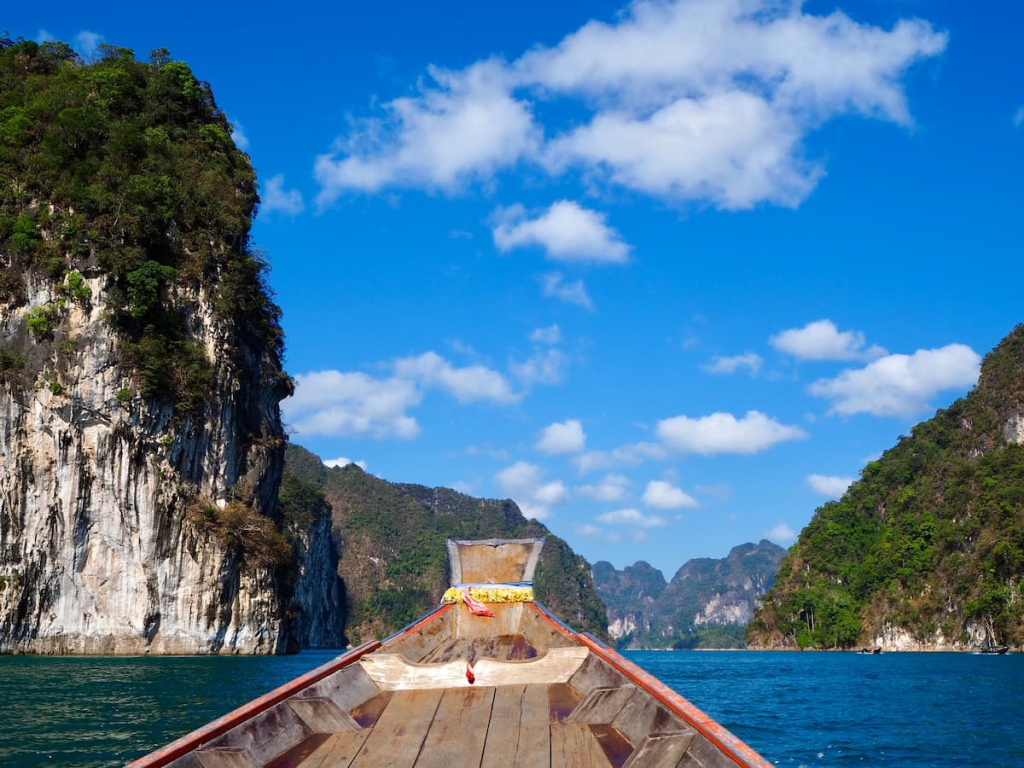
Staying beside Cheow Lan Lake was the experience that made Khao Sok particularly memorable for me. Travelling across the water between steep forest-covered cliffs feels completely removed from Southern Thailand’s busy coastal destinations. Although the lake can be visited as a day trip, staying overnight allows you to experience its quieter early mornings and gives the journey greater depth.
Activities range from guided rainforest walks and canoeing to cave visits, wildlife observation and nights in floating bungalows. Most longer trails require a guide, while lake accommodation and boat transfers should be arranged before arrival—particularly during the busiest months.
Best for: Rainforest exploration, limestone scenery and an overnight nature experience
Best time to visit: December to April for generally drier walking conditions
Recommended stay: Two to three days
Day trip or overnight: An overnight stay is strongly recommended
Main gateway: Khao Sok Village or Ratchaprapha Pier, depending on which part of the park you are visiting
Choose Khao Sok if you want the most complete national-park experience in Southern Thailand and enjoy combining comfortable sightseeing with opportunities for more active exploration.
A Travel With Insight
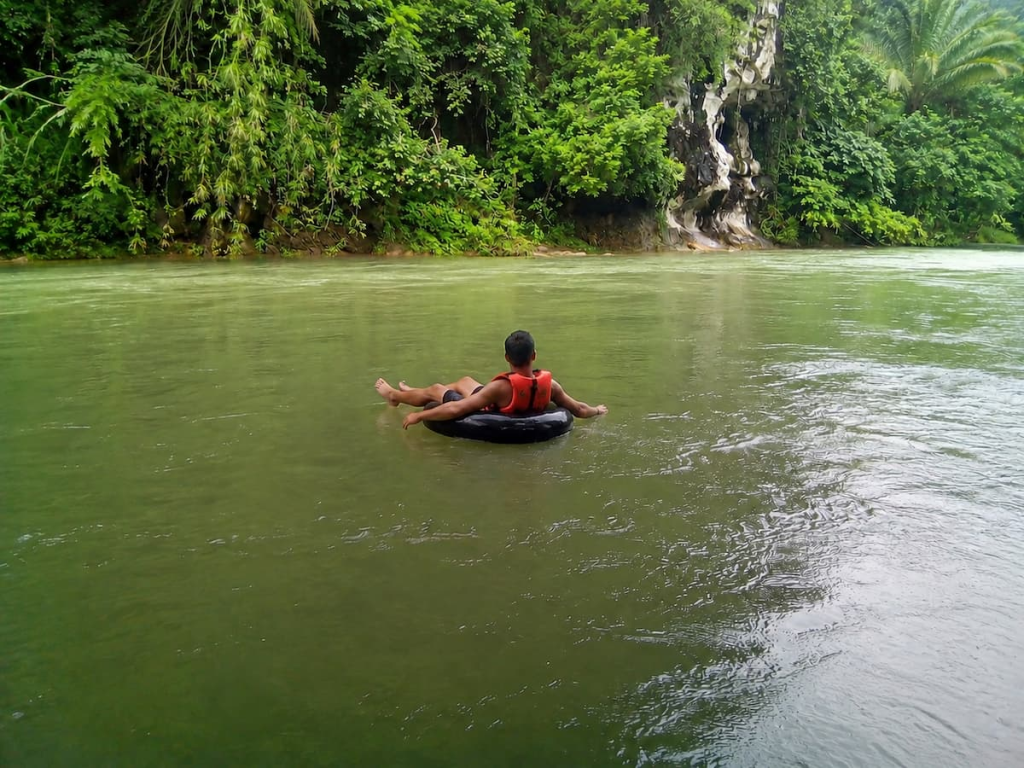
If you are visiting Khao Sok, I recommend taking a relaxing tube ride along the Sok River. It is a simple and easy way to enjoy the surrounding limestone scenery, cool down and watch for monkeys—and perhaps even a snake or two—along the riverbanks.
I finished a day of hiking with a tube ride, and it turned an already enjoyable outing into a genuinely memorable day. It cost me around ฿400 at the time, and I did not regret a single baht. Prices may have changed, but it remains an experience I would happily recommend.
2. Mu Ko Similan National Park: Best for Diving
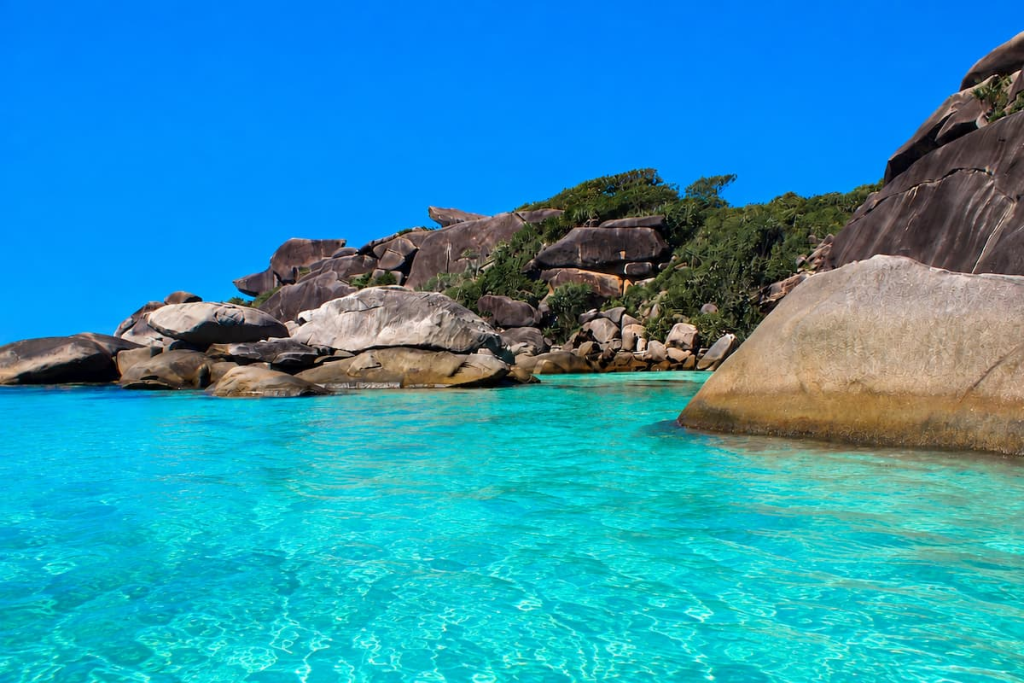
Mu Ko Similan National Park is the strongest choice in Southern Thailand for travellers whose main priority is scuba diving. Located in the Andaman Sea west of Phang Nga, the park is known for clear water, white-sand beaches, enormous granite formations and underwater landscapes containing coral reefs, rocky channels and diverse marine life.
The experience changes considerably depending on whether you visit as a snorkeller or a diver. A standard day tour usually combines beach stops, snorkelling and viewpoints, offering an enjoyable introduction to the islands. Diving reveals much more of what makes the Similans distinctive, including deeper reefs, granite boulders, swim-throughs and opportunities to encounter turtles, rays and large schools of fish.
Having dived within the park, I found the underwater environment more memorable than the time spent on the beaches. The islands are beautiful above water, but the Similans earn their reputation beneath the surface. Experienced divers who want to explore several sites should consider a liveaboard, while casual visitors can still enjoy the scenery on a day trip from Khao Lak.
Most tours depart from the Thap Lamu area, with transfers available from Khao Lak and Phuket. The speedboat crossing can be lengthy and uncomfortable when conditions are unsettled, so this may not be the right excursion for anyone prone to seasickness or uncomfortable with fast boats.
Best for: Scuba diving, clear water and dramatic underwater scenery
Best time to visit: November to April
Recommended visit: Full-day excursion or multi-day liveaboard
Day trip or overnight: Day trips suit snorkellers; liveaboards are better for dedicated divers
Main gateway: Khao Lak and Thap Lamu Pier
The park normally closes from approximately mid-May until mid-October for monsoon safety and environmental recovery. Confirm current opening dates before booking, as poor weather can also cause earlier or temporary closures.
A Travel With Insight
The Similan Islands are all about the water, and the snorkelling here was simply amazing. Visibility appeared to reach 40–50 metres in places, and I saw an abundance of colourful fish as well as a sea turtle at remarkably close range. Walking onto the soft white sand felt like arriving in paradise.
Is it worth travelling that far? For me, absolutely—but it is a long day from Phuket. My road transfer to the pier near Khao Lak took around two hours, followed by approximately another hour on the boat. I then repeated the entire journey on the way home. If I visited again, I would combine the excursion with a stay in Khao Lak to reduce the travelling time.
If possible, choose a low-wind day for the boat journey. Conditions were a little windy and rough during my visit, and several passengers became seasick. Once we reached the islands and entered that extraordinarily clear water, however, it was easy to forget the uncomfortable crossing.
The Similans’ reputation means you should expect plenty of other visitors. Our guide made an effort to keep us slightly separated from the largest groups, but this is not necessarily a secluded-island experience. Even with the crowds, the beaches, water clarity and marine life made the journey worthwhile for me.
A Travel With Insight
I visited the Surin Islands not long after travelling to the Similans, but this time I stayed in northern Khao Lak. It was a great decision: reaching the departure pier took approximately 30 minutes, making the entire experience feel considerably easier than my earlier journey from Phuket.
Interestingly, I had expected Surin to feel closer, but the boat journey seemed slightly longer. Once we arrived, however, there were far fewer visitors than I had encountered at the Similans. That may partly reflect the timing and simple luck, but it gave the day a more relaxed atmosphere.
The coral was noticeably shallower than at the Similans, with plenty of colourful marine life—including more clownfish than I could count. What I particularly enjoyed was the combination of snorkelling, visiting the Moken village and sharing a delicious lunch provided as part of the tour. It felt like a more varied experience rather than a day focused almost entirely on beaches and underwater scenery.
For me, Surin was the more effortless and rounded excursion. If your priority is dramatic scenery and photographs, the Similans may have the edge—although Surin is certainly beautiful in its own right. If you prefer excellent snorkelling, fewer crowds and a broader cultural and island experience, Surin may suit you better.
4. Ao Phang Nga National Park: Best for Sea Kayaking
Ao Phang Nga National Park offers one of Southern Thailand’s most distinctive above-water experiences. Rather than travelling across open sea for beaches and snorkelling, visitors explore a sheltered bay filled with vertical limestone karsts, mangrove forests, caves and enclosed lagoons known locally as hongs.
Sea kayaking is the best way to appreciate the park. Small kayaks can enter low caves and narrow passages inaccessible to larger boats, sometimes emerging into hidden lagoons enclosed by towering cliffs. Many organised tours use guides to paddle each kayak, allowing visitors to concentrate on the scenery and pass safely through caves affected by tides.
Khao Phing Kan and the narrow limestone formation of Ko Tapu—widely known as James Bond Island—are the park’s most famous sights. They are worth seeing, but they should not be treated as the entire experience. The quieter caves, mangroves and lagoons often provide a much stronger sense of what makes Phang Nga Bay special.
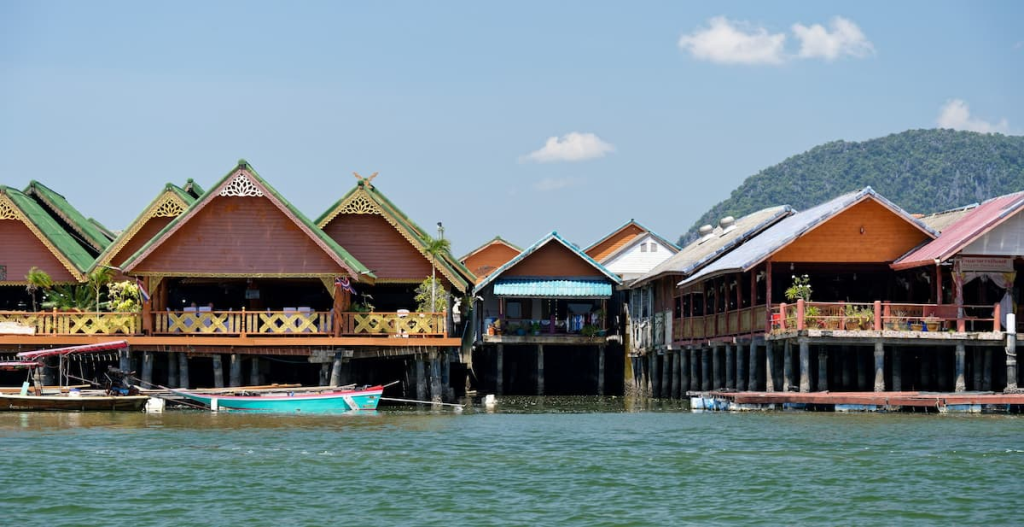
Many excursions also include Ko Panyi, a Muslim fishing community built largely above the water. It adds cultural variety to the day, although the busiest lunch stops can feel heavily organised around tour groups.
Best for: Sea kayaking, limestone formations and sheltered-water sightseeing
Best time to visit: November to April for generally calmer and drier conditions
Recommended visit: Half or full day
Day trip or overnight: Best experienced as a day trip
Main gateways: Phang Nga, Phuket and parts of Krabi
Departing from Phang Nga generally reduces the amount of time spent travelling by boat, while Phuket offers the widest choice of organised excursions. Check whether kayaking, lunch and national-park fees are included when comparing tours. Individual caves, islands and visitor areas can close because of tides, heavy rain or rough conditions, so the exact itinerary may change even when the wider park remains open.
A Travel With Insight
I visited Ao Phang Nga National Park during a wider trip to Khao Lak with a group of Thai friends. We had celebrated a little the previous evening, so I was particularly grateful that this was a calm, sheltered-bay adventure with none of the rough open-water conditions that can cause seasickness.
I cannot recall the exact driving time to the pier because we stopped for noodles along the way, but I would estimate the journey took around 30–40 minutes. Once we arrived, the longtail-boat journey into the bay was comparatively short—approximately 15 minutes.
We hired a longtail boat directly at the pier, giving us a more private and flexible experience. The greatest advantage was being able to influence where we went and how long we stayed, rather than following the fixed timing of a large group tour. I thoroughly enjoyed travelling through the bay, and sea kayaking among the cliffs and caves was one of the highlights.
Ao Phang Nga is better suited to being on the water rather than in it. This is not primarily a swimming or snorkelling excursion. Its appeal comes from exploring the bay, kayaking through unusual landscapes and enjoying some exceptional opportunities for travel photography.
5. Hat Noppharat Thara–Mu Ko Phi Phi National Park: Best for Iconic Island Scenery
Hat Noppharat Thara–Mu Ko Phi Phi National Park contains some of Southern Thailand’s most recognisable landscapes. Limestone cliffs rise directly from clear water, hiding lagoons, small beaches and snorkelling sites around an archipelago that includes Phi Phi Don, Phi Phi Leh, Bamboo Island and the Bida islands.
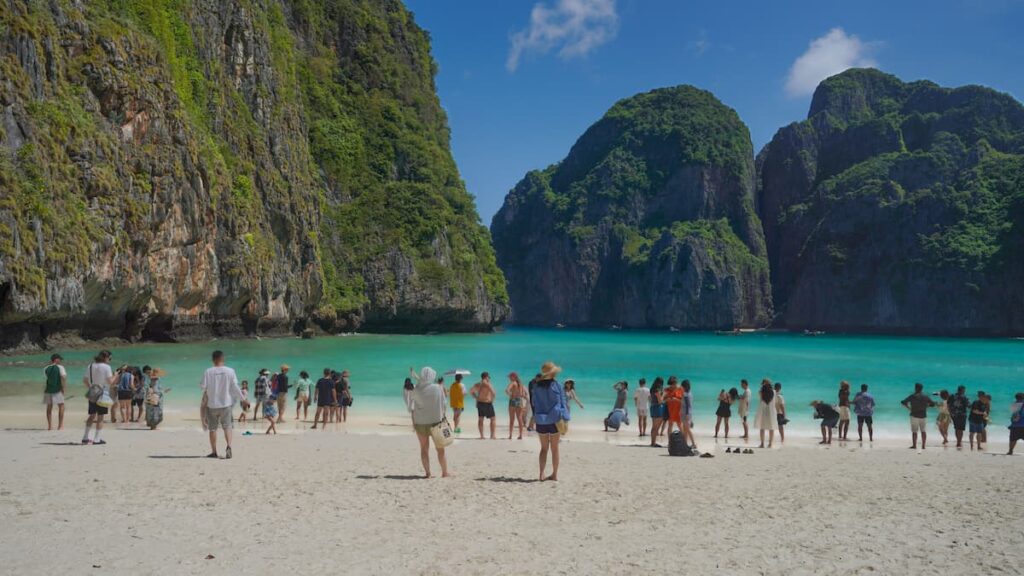
Maya Bay is the park’s most famous attraction, but it is only one part of the experience. Boats now enter from the rear of Phi Phi Leh, and visitors walk across the island to reach the bay. Swimming is not permitted in the main bay, allowing people to appreciate the setting while reducing pressure on its recovering marine environment. Nearby Pileh Lagoon offers another striking limestone setting, while Bamboo Island provides a more traditional beach stop.
The experience depends heavily on how you visit. Full-day speedboat tours from Phuket and Krabi allow you to see the major sights efficiently, but they can feel hurried and often arrive alongside many other boats. Staying on Phi Phi Don for one or two nights gives you access to earlier departures, smaller longtail trips and a more relaxed pace.
It is important to distinguish between Phi Phi Don and the protected national-park experience. Phi Phi Don has hotels, restaurants, shops and nightlife, while many of the surrounding beaches, lagoons and marine areas fall within the national park.
Best for: Iconic limestone scenery, lagoons and a first Phi Phi experience
Best time to visit: November to April for generally calmer seas
Recommended visit: Full day or one to two nights
Day trip or overnight: Both work, but an overnight stay allows greater flexibility
Main gateways: Phuket, Krabi, Ao Nang and Phi Phi Don
Maya Bay normally closes from 1 August until 30 September for environmental recovery. National-park fees may not be included in every boat or tour price, so confirm the complete cost before booking. Visitor rules and access arrangements can also change as conservation measures are adjusted.
A Travel With Insight
I explored the Phi Phi Islands with a group of friends, and we chose to stay on Phi Phi Don for a couple of nights rather than squeeze everything into a day trip. The island is full of energy, with busy beach bars, fire shows and even mechanical bull riding near the beach on the opposite side of town.
The highlight for me was hiring a private longtail boat and getting out onto the water. We briefly floated outside Maya Bay before continuing around the island, where the girls in our group found the perfect setting for those postcard-style photographs sitting at the front of the longtail boat with the limestone scenery behind them.
We then stopped for snorkelling. In my view, the underwater scenery was not quite as impressive as at some of Southern Thailand’s other marine parks, but it was still an enjoyable experience. Several people in our group had never snorkelled before, and the relatively easy conditions provided an excellent introduction.
We travelled from Phuket on one of the larger ferries during the shoulder season and had no problems with the crossing. There were still plenty of visitors, even outside the busiest period, so Phi Phi should never be approached as a secluded escape. Hiring our own longtail boat gave us more control over the day and created a welcome sense of having our own time away from the larger tour groups.
6. Khao Luang National Park: Best for Mountain Walking
Khao Luang National Park provides the strongest land-based alternative for travellers who prefer forest trails, waterfalls and mountain scenery to beaches and boat excursions. Located in Nakhon Si Thammarat Province, the park protects extensive tropical rainforest surrounding Khao Luang, the highest mountain in Southern Thailand at approximately 1,835 metres.
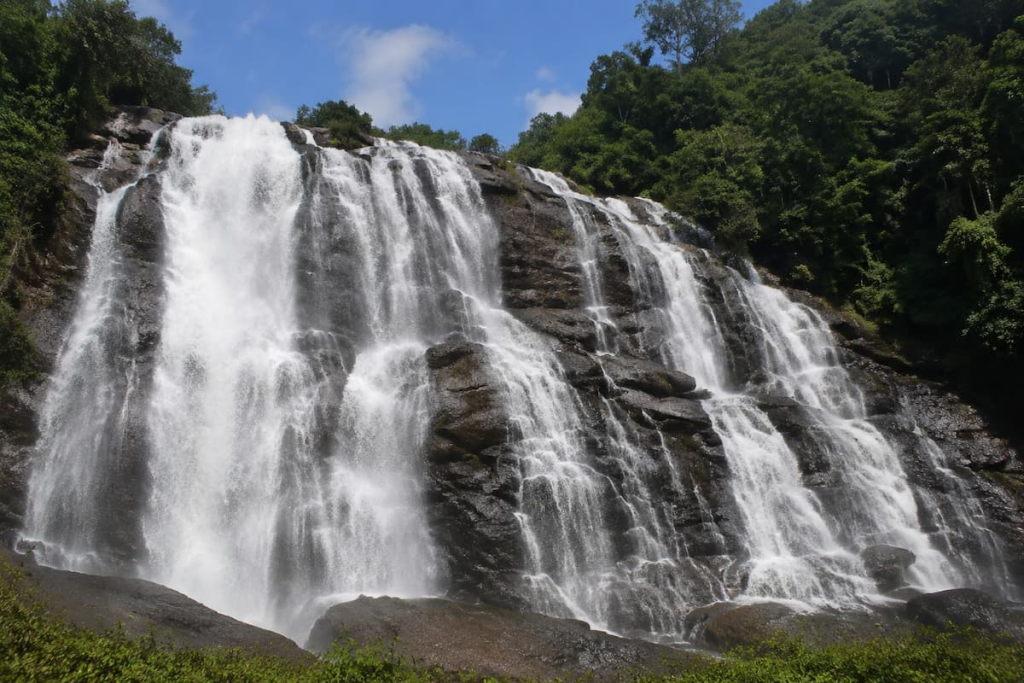
Krung Ching Waterfall is the park’s most accessible and recognisable attraction. Reaching its principal viewpoint requires a forest walk rather than a short roadside stop, making the journey part of the experience. The surrounding habitat supports rich birdlife, orchids and other tropical plants, with several waterfall levels hidden within the forest.
Climbing towards Khao Luang’s summit is a much more demanding undertaking. It requires advance preparation, a local guide and normally at least one night in the mountains. This should not be presented as a casual extension of a waterfall visit: conditions can be steep, wet and physically challenging, particularly after heavy rain.
The park is spread across several visitor areas rather than organised around one convenient central entrance. Independent transport is useful, while anyone planning a longer trek should arrange a guide and confirm the correct meeting point before travelling.
Best for: Mountain forest, waterfalls, birdwatching and guided trekking
Best time to visit: January to April for generally more suitable trekking conditions
Recommended visit: One day for Krung Ching or two to three days for a longer trek
Day trip or overnight: Both are possible, depending on the route
Main gateway: Nakhon Si Thammarat Province
Trails and waterfall routes can close temporarily because of heavy rain, flash-flood risk, wildlife activity or annual recovery periods. Confirm the status of the specific route you intend to walk—the wider national park being open does not necessarily mean every trail is accessible.
A Travel With Insight
Having the opportunity to spend extended time in Phuket has allowed me to explore places that may not make it onto a shorter Southern Thailand itinerary. My visit to Khao Luang National Park and Krung Ching Waterfall was one of those experiences—and it was well worth travelling beyond the better-known coastal destinations.
We drove to Khiriwong Village and stayed in a beautiful riverside property beside the Tha Di River. You can walk along the river and go tubing, although the water felt a little too cool for me. The main reason for our visit, however, was to tackle the trail to Krung Ching Waterfall.
Unlike most waterfall walks I have completed, where you begin at the lowest level and climb upwards, Krung Ching’s seven levels are numbered as the water descends. The nature trail extends approximately 3.7 kilometres each way from the trailhead to the famous viewpoint at Level 7. Each waterfall level requires leaving the main trail, and the detour to Level 1 was substantial enough that I decided to miss it and preserve my energy for the principal viewpoint.
The final descent towards Level 7 includes steep sections and numerous stairs, but there are plenty of places to stop and rest. The view at the end is extraordinary, although the principal cascade is better for viewing and photography than swimming. Remember that reaching it is only half the walk: the return journey is more demanding than you may expect, so keep some energy in reserve.
I was focused on reaching Level 7 and did not explore every side trail. I made one mistake during the walk: I stopped at Level 6 for a swim before continuing to the main viewpoint at Level 7. Although the swim was refreshing, I then had to regain momentum, descend the steep staircase and complete the hardest part of the route. If I walked the trail again, I would continue directly to Level 7, enjoy the view, climb back up the stairs and then stop at Level 6 for a swim. It would be a far better place to cool down and recover after completing the most demanding section.
Most visitors appear to skip several of the other levels. When I asked why, I was told that some of the side trails were not maintained as well as the main route. I had also been warned about leeches, but they did not cause me any problems during my visit. That does not mean they are absent, particularly after rain, but they were not the concern I had anticipated.
7. Tarutao National Marine Park: Best for Remote Exploration
Tarutao National Marine Park is the best choice for travellers who value remoteness, history and simple island exploration more than convenience. Located in Satun Province near Thailand’s maritime border with Malaysia, the park encompasses more than 50 islands, including Ko Tarutao, Ko Adang, Ko Rawi and many of the smaller islands surrounding Ko Lipe.
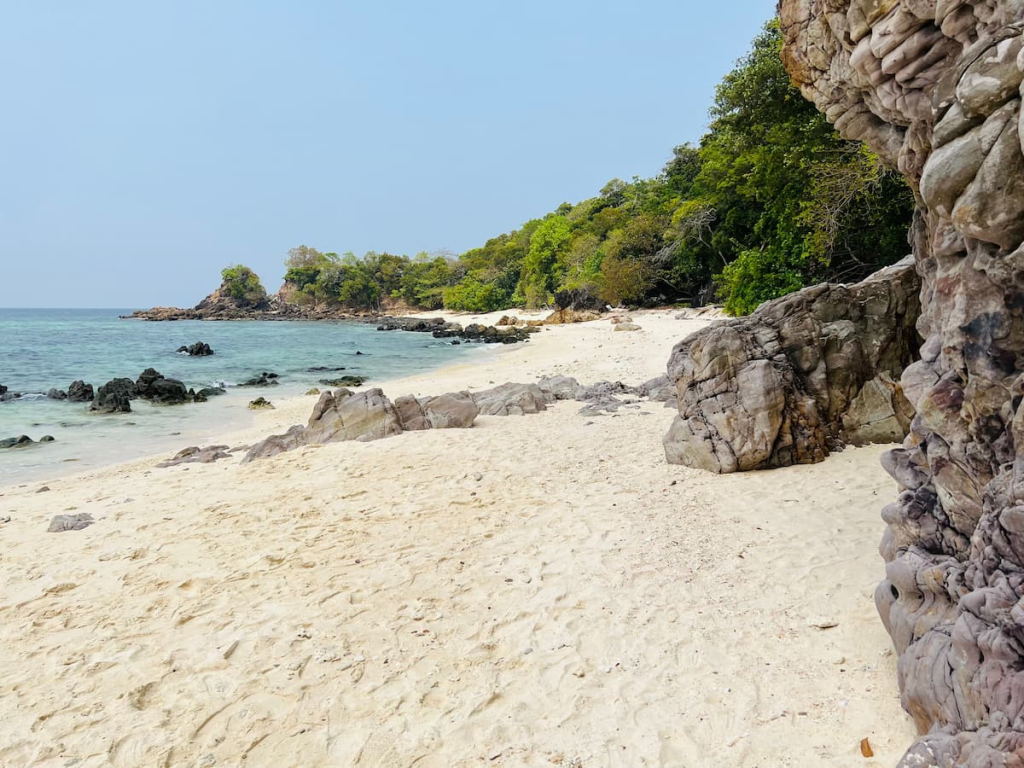
Ko Tarutao provides the park’s most distinctive experience. Once used as an isolated penal colony, the island now contains quiet beaches, forest roads, wildlife and remnants of its prison history. Accommodation remains limited to national-park bungalows and camping, with none of the large resorts, nightlife or extensive development found on better-known Thai islands.
Exploring Ko Tarutao requires more independence than joining a conventional island tour. Visitors can walk, cycle or arrange local transport between beaches, viewpoints and historical sites. Basic facilities are available around the park headquarters, but you should arrive prepared for fewer services and less flexibility than on Ko Lipe.
Ko Adang offers a different experience immediately north of Ko Lipe. Visitors can hike to viewpoints overlooking Ko Lipe, camp near the beach and use the island as a quieter base for snorkelling and exploring the Adang–Rawi group. Ko Lipe provides the widest selection of accommodation, restaurants and boat connections, although its developed areas should not be confused with the park’s more remote character.
Best for: Remote islands, wildlife, simple accommodation and historical exploration
Best time to visit: December to March
Recommended stay: Two to four days
Day trip or overnight: An overnight stay is necessary to appreciate Ko Tarutao properly
Main gateway: Pak Bara Pier, with Ko Adang also accessible from Ko Lipe
Marine attractions and accommodation operate seasonally, with many areas closing or becoming difficult to reach during the southwest monsoon. Confirm ferry schedules, park accommodation and the status of individual islands before travelling, particularly outside the main December-to-April season.
A Travel With Insight
Ko Tarutao would rarely make it onto a short Southern Thailand itinerary unless you were already travelling around Hat Yai or Satun. For me, however, it is one of the region’s ultimate escapes. There were very few visitors during my stay, and I felt more like an explorer than someone following an established island-tour route.
Accommodation is considerably simpler than on Southern Thailand’s developed resort islands, consisting mainly of basic national-park bungalows. I also saw visitors camping, and I think sleeping beneath a tent would add even more character to this particular escape—as long as you are comfortable with limited facilities.
Two activities particularly stood out. The first was hiring a kayak and paddling through the mangroves towards Crocodile Cave. Check the tides and local conditions before departing, and take a torch if you intend to enter the cave. The second was renting a mountain bike to explore the island’s quiet roads, beaches and historical areas. Bicycle numbers can be limited, so arrange one early if possible.
Take plenty of insect repellent because the sandflies are always ready for a snack. You should also make time to explore the remains of Tarutao’s former penal colony. During the Second World War, supplies from the mainland were severely disrupted and both prisoners and guards faced food shortages. Some eventually joined forces and turned to piracy, attacking vessels passing through the surrounding waters. It is an extraordinary chapter in the island’s history and adds another dimension to what is already one of Southern Thailand’s most unusual national-park experiences.
How to Choose the Right National Park
The best national park in Southern Thailand depends less on which one is most famous and more on the type of experience you want from your holiday.
Choose Khao Sok National Park if: you want the strongest combination of rainforest, limestone scenery, accessible activities and memorable overnight accommodation. It is the best all-round choice for first-time visitors who want a substantial land-based nature experience.
Choose Mu Ko Similan National Park if: diving, extraordinarily clear water and dramatic island scenery are your priorities. The journey can be long and the main visitor sites busy, but the underwater environment justifies the effort.
Choose Mu Ko Surin National Park if: you prefer shallow-water snorkelling, abundant marine life and a more rounded island experience. Staying in northern Khao Lak or Khura Buri can also make the excursion considerably easier than travelling from Phuket.
Choose Ao Phang Nga National Park if: you want limestone scenery without a long journey across exposed open water. Its calm bay, sea caves and kayaking experiences also make it a good choice for travellers concerned about seasickness.
Choose Hat Noppharat Thara–Mu Ko Phi Phi National Park if: you are visiting Southern Thailand for the first time and want to see its most recognisable island landscapes. Stay overnight on Phi Phi Don and hire a longtail boat if you want more flexibility than a standard day tour provides.
Choose Khao Luang National Park if: walking, waterfalls and mountain forest appeal more than organised boat excursions. The park rewards visitors prepared to travel beyond the south’s established coastal itinerary and put some genuine effort into the experience.
Choose Tarutao National Marine Park if: you value remoteness, history and simple island living more than comfort or convenience. It is particularly well suited to independent travellers with enough time to slow down and explore.
Planning Your National Park Visit
Southern Thailand’s national parks are protected environments rather than attractions operating to a fixed tourism schedule. Opening dates, permitted activities and access to individual trails, caves or islands can change with weather and conservation requirements.
Check seasonal closures before booking
The Similan and Surin Islands normally close from approximately mid-May until mid-October during the Andaman monsoon. Maya Bay generally closes from 1 August until 30 September, while parts of Tarutao and other marine parks follow their own seasonal schedules. Mainland trails and waterfalls can also close following heavy rain, flash-flood warnings or wildlife activity.
Check the specific attraction you intend to visit rather than relying only on the wider park’s open status.
Confirm what your tour price includes
National-park entrance fees are often excluded from the headline price shown by tour operators. Before booking, check whether the advertised amount includes:
- National-park admission
- Pier or harbour fees
- Hotel transfers
- Meals and drinking water
- Snorkelling or kayaking equipment
- Insurance
- Additional diving charges
Some marine parks now use an electronic ticketing system requiring visitor and passport information. Licensed operators will commonly arrange this as part of a tour, but you should confirm the process before departure.
Consider the complete journey
A one-hour speedboat trip can become part of a very long day when combined with early hotel pickups, road transfers and waiting at the pier. This is particularly important when visiting Similan or Surin from Phuket. Staying in Khao Lak or closer to the appropriate departure pier can make the same excursion far more comfortable.
Take sea conditions seriously
Choose a calm, low-wind day whenever your plans involve exposed water. If you are prone to seasickness, ask about the boat type, crossing time and likely conditions before booking. Ao Phang Nga’s sheltered bay is generally a gentler alternative to an open-sea journey.
Prepare properly for forest trails
Wear footwear with reliable grip and carry enough water, insect repellent and basic rain protection. Longer routes may require a guide, while wet stairs, roots and steep return sections can make a trail more demanding than its distance suggests. Leave enough time and energy for the journey back.
Respect the protected environment
Do not touch coral, feed wildlife, remove shells or leave marked trails. Keep your distance from marine animals, follow local photography rules and avoid intrusive behaviour when visiting communities such as the Moken village. The continued beauty of these parks depends partly on visitors treating them as protected ecosystems rather than outdoor amusement parks.
Final Thoughts on Southern Thailand’s Best National Parks
There is no single national park that provides every experience Southern Thailand has to offer. Khao Sok and Khao Luang reveal the region’s rainforests, mountains and waterfalls, while Similan and Surin provide two very different underwater experiences. Ao Phang Nga and Phi Phi make dramatic marine scenery relatively accessible, and Tarutao rewards travellers prepared to journey further and accept simpler comforts.
My own preferences have gradually shifted towards land-based activities, particularly forest walks, waterfalls and places that require some effort to explore. Even so, Southern Thailand’s marine national parks remain among the region’s defining experiences. Their clear water, limestone islands, coral reefs and marine life cannot be replicated by remaining on the mainland.
Choose the park that matches the experience you want rather than automatically selecting the most photographed destination. Whether that means floating across Cheow Lan Lake, snorkelling above shallow coral, kayaking through a sea cave or cycling along an almost empty island road, each of these seven parks offers a different reason to explore Southern Thailand beyond its established beach resorts.
Frequently Asked Questions
What is the best national park in Southern Thailand?
Khao Sok National Park is the best all-round choice because it combines rainforest, limestone mountains, rivers, walking trails and Cheow Lan Lake. However, the right park depends on whether you prefer land-based activities, snorkelling, diving, kayaking or remote island exploration.
Which Southern Thailand national park is best for snorkelling?
Mu Ko Surin National Park is the strongest choice for snorkelling because many of its coral reefs are shallow and accessible from organised boat trips. The Similan Islands also offer excellent snorkelling, particularly when water visibility is good.
Which national park is best for scuba diving?
Mu Ko Similan National Park is the best choice for dedicated divers. Its clear water, granite underwater formations and varied dive sites make it one of Thailand’s most recognised diving areas.
Can you stay overnight inside Southern Thailand’s national parks?
Yes, but accommodation varies considerably. Khao Sok offers floating bungalows and nearby resorts, Surin and Tarutao provide camping and basic park accommodation, and Khao Luang has limited facilities in selected visitor areas. The Similan Islands are generally visited by day tour or liveaboard.
When do Southern Thailand’s marine national parks close?
Similan and Surin normally close from approximately mid-May until mid-October. Maya Bay generally closes from August through September, while other parks and individual islands follow different schedules. Always check current opening conditions before travelling.
Which national parks can be visited from Phuket?
Khao Sok, the Similan Islands, Ao Phang Nga and the Phi Phi Islands can all be visited from Phuket. Surin is also possible, but the combined road and boat journey makes staying in Khao Lak or closer to Khura Buri more comfortable.
Are these national parks suitable for children?
Several are suitable for families, but the right choice depends on a child’s age, swimming ability and tolerance for long journeys. Ao Phang Nga provides a relatively gentle sightseeing experience, while Khao Sok offers adaptable land and lake activities. Long speedboat crossings, demanding forest trails and open-water snorkelling require more careful consideration.
Yes, we should keep the same standard structure used across the cluster. Replace the previous section with:
Continue Exploring
Southern Thailand Travel Guide
Explore the region’s islands, beaches, national parks, temples and destinations, with practical guidance to help you plan a Southern Thailand holiday that suits you.
Thailand Travel Guide
Discover Thailand’s regions, destinations, cultural experiences and natural attractions, and find the places that best match the type of holiday you want.
Related Reading
Best Islands in Southern Thailand
Compare seven islands offering different experiences, from established holiday destinations and snorkelling bases to quieter beaches and remote escapes.
Best Beaches in Southern Thailand
Discover beaches selected for their different settings and experiences, including swimming, scenery, snorkelling and peaceful surroundings.
Best Temples in Southern Thailand
Explore seven temples offering different perspectives on Southern Thailand’s Buddhist traditions, architecture, landscapes and cultural identity.
Making the Most of Your Southern Thailand Holiday
Plan a more practical itinerary using realistic journey times, first-hand travel insights and guidance on exploring the region by road, boat and public transport.
About the Author
David Hibbins is an Australian travel publisher, destination researcher and the creator of Travel With Insight.
David spends considerable time in Phuket and has travelled extensively throughout Thailand and Southeast Asia. His work combines first-hand experiences, repeat visits and practical observations with careful destination research and current information.
Where David has visited a destination himself, those experiences help shape the guidance he provides—from understanding how places feel beyond their best-known attractions to recognising transport challenges, changing conditions and small practical details that shorter visits can miss. Research is used to verify historical context, current visitor information and aspects he has not experienced personally.
His work focuses on helping travellers move beyond popularity rankings, marketing claims and generic “best of” lists. Rather than telling readers where they should travel, his goal is to explain the strengths, limitations and individual character of each destination so they can choose the places that best match their interests, travel style and available time.
Through Travel With Insight, David explores not only where travellers go, but why they choose particular destinations, how experiences differ and what helps turn a well-researched trip into a genuinely memorable journey.
Explore More Travel Resources
Every rewarding journey begins with informed decisions. The more you understand a destination before arriving, the easier it becomes to choose experiences that suit your interests, expectations and preferred pace.
Whether you are researching one destination, comparing several possibilities or preparing a complete itinerary, these additional travel resources can help.
Travel With Insight
Continue exploring in-depth destination guides, first-hand travel insight and practical planning advice created to help you make informed travel decisions throughout Thailand and Southeast Asia.
Go Find Asia
Discover destinations, attractions and travel ideas from across Asia, with inspiration to help you decide where to go, what to experience and which places deserve a closer look.
Resurgence Travel
Move from research to practical planning with curated itineraries, personalised travel support and local insight focused on creating more rewarding journeys through Thailand and Southeast Asia.

One Comment
Comments are closed.