
Best Beaches in Phuket: 7 Beaches for Different Experiences
Phuket has dozens of beaches, ranging from busy resort centres to long, largely undeveloped stretches of coastline. Choosing one of best beaches in Phuket is not simply a matter of identifying the most beautiful beach—it depends on whether you want convenient facilities, reliable space, natural scenery, water activities, resort comfort or somewhere that feels removed from the island’s busier areas.
Rather than attempting to list every beach in Phuket, we have selected seven of the island’s best for noticeably different experiences. From the activity and convenience of Patong to the quiet northern coastline of Mai Khao, these beaches show how varied a Phuket beach day can be—and help you choose the one that best suits how you want to spend it.
Best Beaches In Phuket – Quick Summary
Each of these beaches offers a different reason to visit. Use this quick comparison to identify the experience that best matches what you are looking for before exploring the beaches in more detail.
| Beach | Best for | What to consider |
|---|---|---|
| Patong Beach | Convenience and activities | Busy, developed and rarely peaceful |
| Kata Beach | The best all-round beach experience | Popular and crowded during peak periods |
| Karon Beach | Space and long beach walks | Strong waves and currents can develop |
| Nai Harn Beach | Scenery and a relaxed swim | Particularly popular during high season |
| Bang Tao Beach | An upscale resort beach day | Different parts of the beach offer very different experiences |
| Freedom Beach | A beach escape close to Patong | Temporarily closed due to dangerous monsoon conditions |
| Mai Khao Beach | Solitude and nature | Limited facilities and not ideal for casual swimming |
Swimming Safely at Phuket’s Beaches
A red flag means do not enter the water.
Sea conditions around Phuket can change quickly, particularly during the southwest monsoon from approximately May to October. Strong waves and rip currents may be present even when the beach looks inviting from the shore.
Always follow the warning flags and instructions from lifeguards. Never assume the water is safe because other people are swimming, and do not enter the sea when red flags are displayed—regardless of your confidence or swimming ability.
Phuket’s west-coast beaches are generally calmer between November and April, but conditions should always be assessed on the day. The flags displayed at the beach take priority over general seasonal advice.
Changing Beachfront Facilities in Phuket
Over recent months, Phuket and national authorities have closed or removed several unauthorised beachfront businesses and structures, particularly around Bang Tao and Freedom Beach. These actions generally concern commercial premises and the use of public land rather than public access to the beaches themselves.
Some older travel articles, maps and business listings may therefore show beach bars, restaurants or other facilities that are no longer operating. If visiting a particular venue is important to your plans, check its current status before travelling.
Freedom Beach is currently subject to a separate temporary safety closure due to dangerous monsoon conditions, as explained in its section below.
1. Patong Beach — Best for Convenience and Activities
Patong Beach is the best choice for travellers who want an active beach with almost everything close at hand. Its broad, curved bay is backed by accommodation, restaurants, shopping centres, tour operators and Phuket’s largest entertainment district, making it easy to combine a few hours on the sand with other activities.
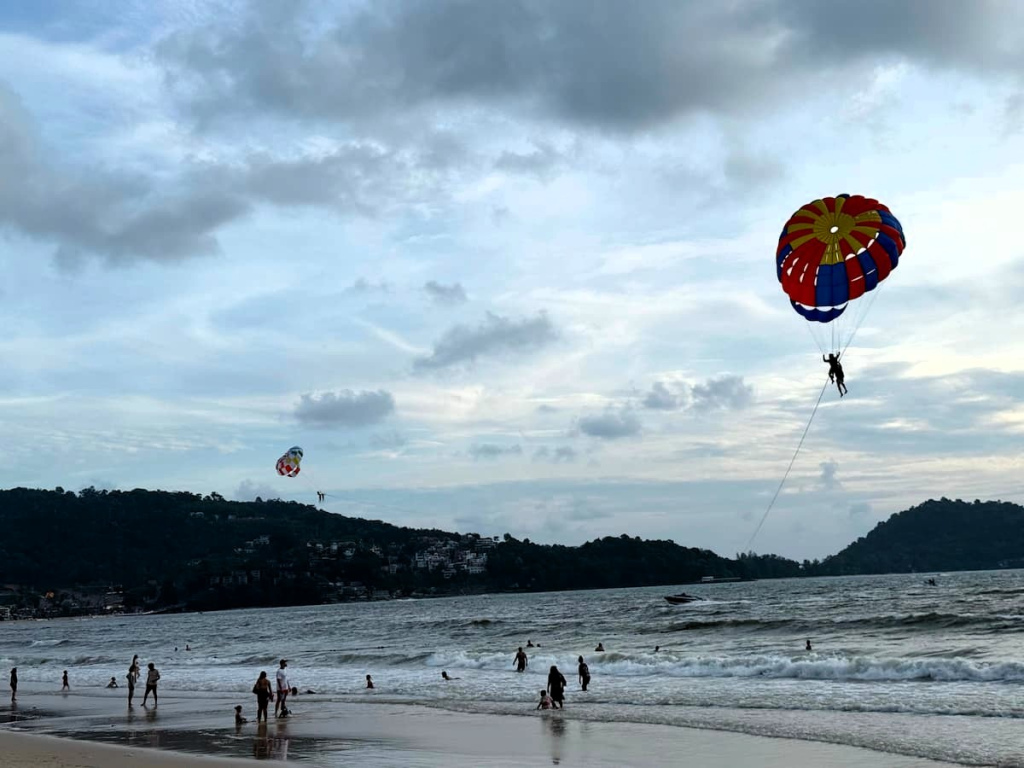
The central part of the beach is the busiest, with sun loungers, massages, refreshments, jet skis and parasailing readily available. Designated swimming areas provide some separation from powered watercraft, while longtail boats depart from the quieter southern end when sea conditions allow. The northern end generally offers more space and a calmer atmosphere while remaining within walking distance of central Patong.
Patong is not the beach to choose for solitude or an undeveloped setting. It is busy, commercial and often noisy, but those characteristics are also what make it Phuket’s most convenient beach. It works particularly well for visitors who do not want to organise a separate journey simply to spend time beside the sea.
Best suited to: First-time visitors, active travellers and anyone wanting a beach, dining, shopping and entertainment within the same compact area.
Read our detailed Patong Travel Guide.
2. Kata Beach — Best All-Round Beach
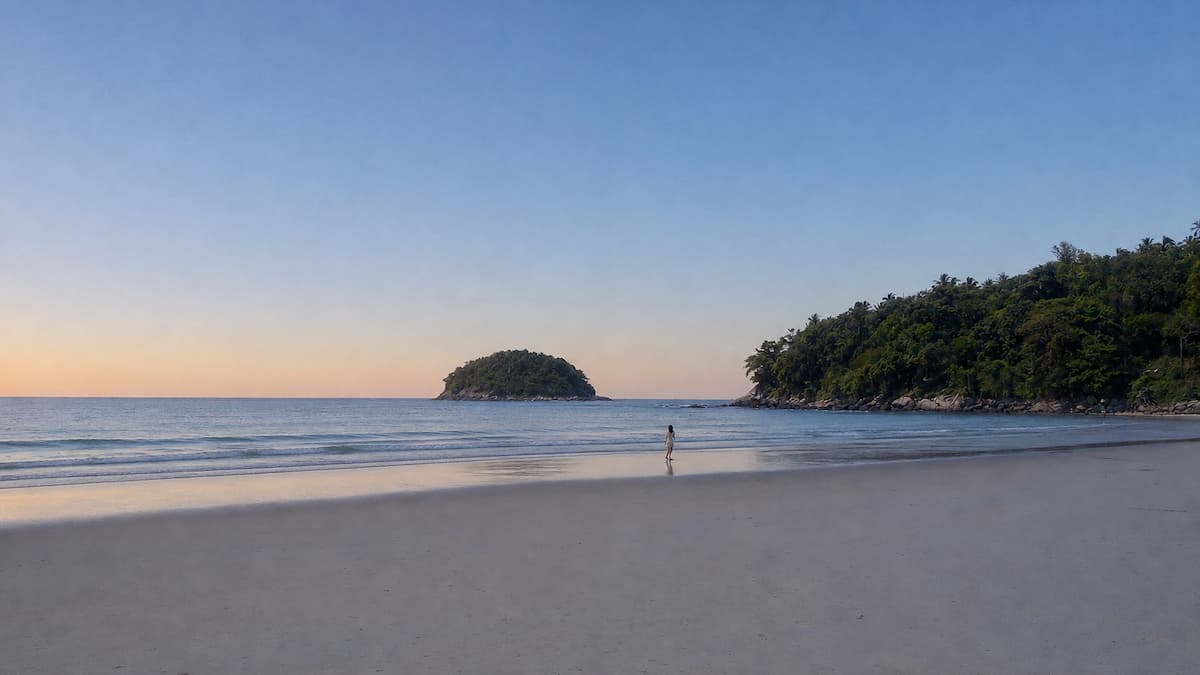
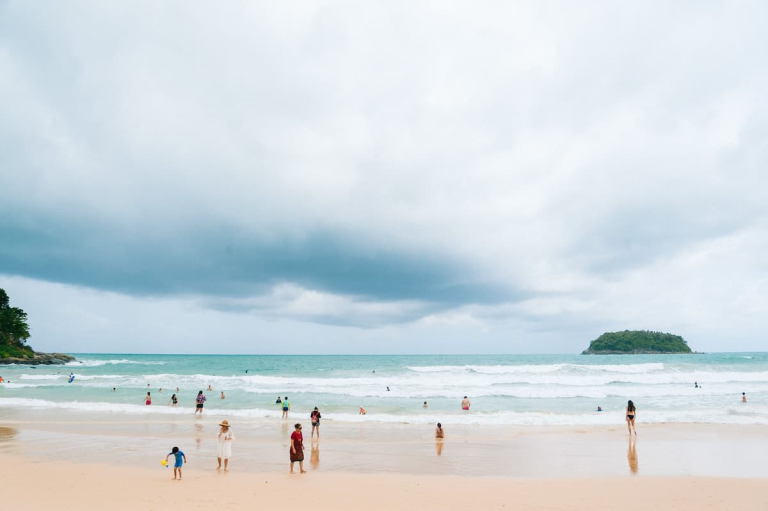
Kata Beach offers one of Phuket’s strongest combinations of attractive scenery, nearby facilities and changing seasonal experiences. The curved bay has soft sand, views towards the small island of Koh Pu and a developed resort area with restaurants, accommodation and shops within easy reach.
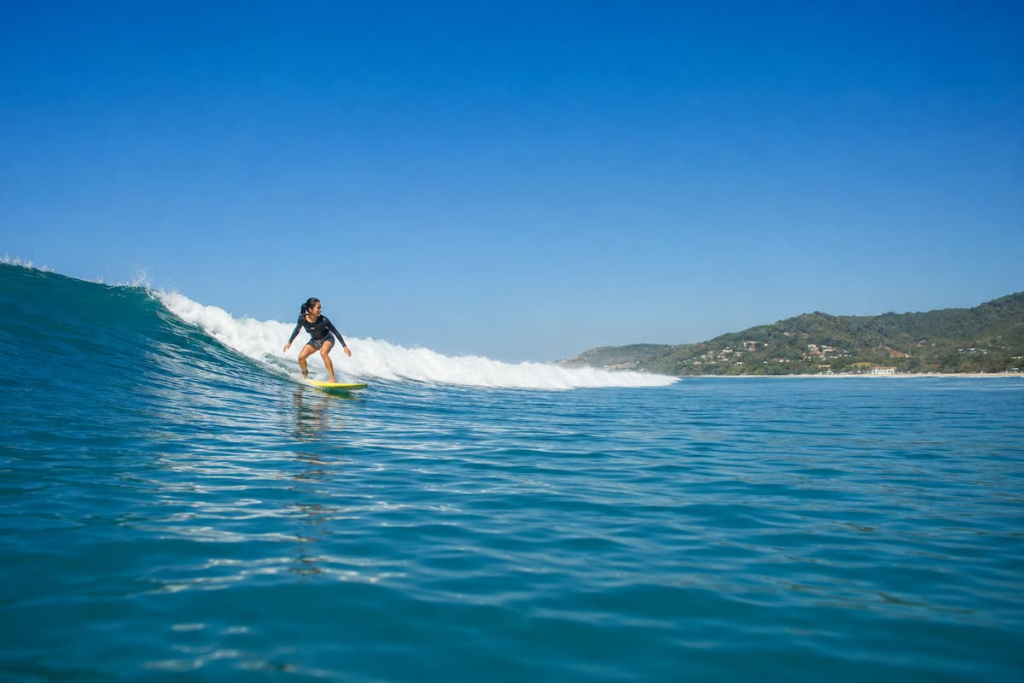
From approximately November to April, Kata is generally calm and well suited to swimming and relaxed beach days. When the southwest monsoon arrives, the bay develops more consistent waves and becomes Phuket’s most accessible surfing beach. Board rental and beginner lessons are widely available, although surfing conditions do not mean the water is safe for ordinary swimming. Red flags must always be followed.
Kata is popular with couples, families and travellers who want more atmosphere than a remote beach without Patong’s intensity. Its versatility also extends beyond swimming and surfing: each December, Kata Bay becomes a focal point for the Phuket King’s Cup Regatta, when racing yachts add a very different character to the coastline.
The main drawback is its popularity. The beach can become crowded during peak periods, and access from some parts of Kata requires walking around beachfront resort property rather than approaching the sand directly.
Best suited to: Travellers wanting the most balanced combination of scenery, swimming, seasonal surfing and nearby facilities.
3. Karon Beach — Best for Space and Long Beach Walks
Karon Beach stretches for approximately three kilometres along Phuket’s west coast, providing considerably more room than many of the island’s better-known resort beaches. Even during the busier months, its length and width make it possible to find open sand without travelling to a remote part of the island.
The beach is particularly well suited to long walks, with an uninterrupted shoreline extending between the headlands separating Patong and Kata. Most activity is concentrated toward the central and southern sections, while the northern end near the lake generally feels quieter. The dry sand is also known for producing an unusual squeaking sound underfoot.
Karon has restaurants, accommodation and shops nearby, but much of the development is separated from the sand by the beachfront road. This creates a more open atmosphere than Patong, although there is less natural shade and the exposed beach can feel especially hot during the middle of the day.
Swimming can be enjoyable when the sea is calm, but Karon is particularly vulnerable to powerful waves and rip currents during the southwest-monsoon season. Never enter the water when red flags are displayed, even if other people are swimming.
Best suited to: Travellers who value space, long shoreline walks and easy access to resort facilities without Patong’s intensity.
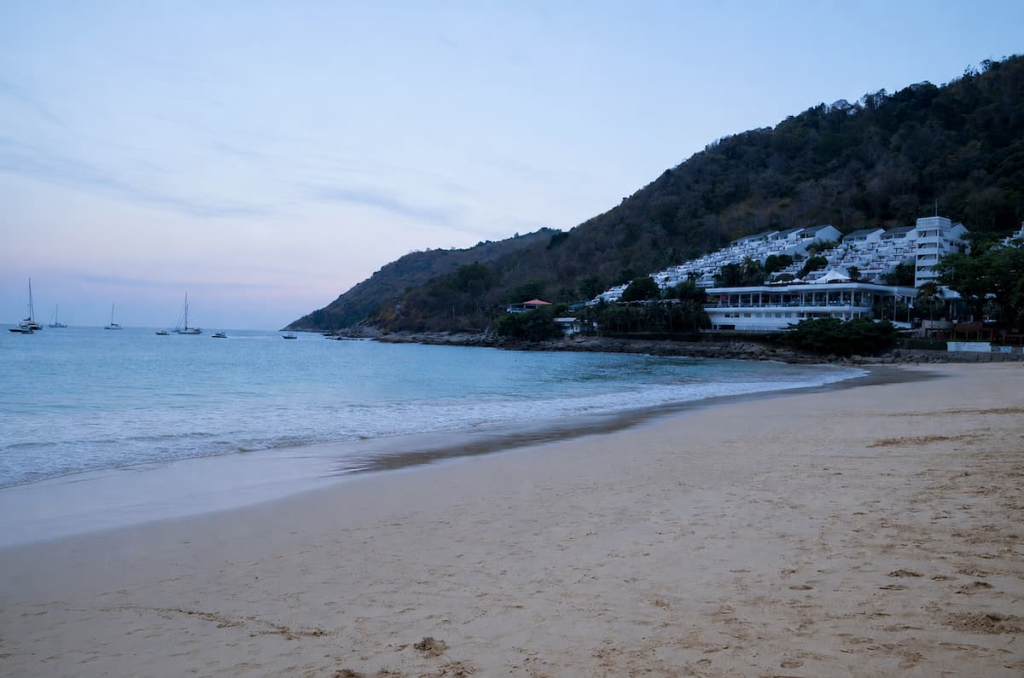
4. Nai Harn Beach — Best for Scenery and a Relaxed Swim
Nai Harn Beach sits within a curved bay near Phuket’s southern end, enclosed by green headlands with a freshwater lagoon immediately behind the sand. Without a dense strip of buildings directly along the beachfront, the setting feels more natural than Phuket’s larger resort beaches while remaining straightforward to reach by road.
During the calmer months, the bay is well suited to swimming, floating and spending an unhurried day beside the water. Trees provide some shade behind the beach, and a collection of casual restaurants and small businesses nearby makes it possible to stay for several hours without the area feeling heavily commercial.
Nai Harn is sometimes described as a quiet or hidden beach, but that is no longer accurate during Phuket’s high season. Its scenery, accessibility and popularity with residents can make the beach and surrounding parking areas busy, particularly through the middle of the day. Arriving earlier offers a better chance of experiencing its more relaxed side.
The enclosed appearance of the bay should not be mistaken for year-round protection. Strong waves and currents develop during the southwest monsoon, and swimming should only be considered when the displayed flags indicate safe conditions.
Best suited to: Travellers wanting attractive natural surroundings, calmer-season swimming and a relaxed beach atmosphere without becoming completely isolated.
5. Bang Tao Beach — Best for an Upscale Resort Beach Day
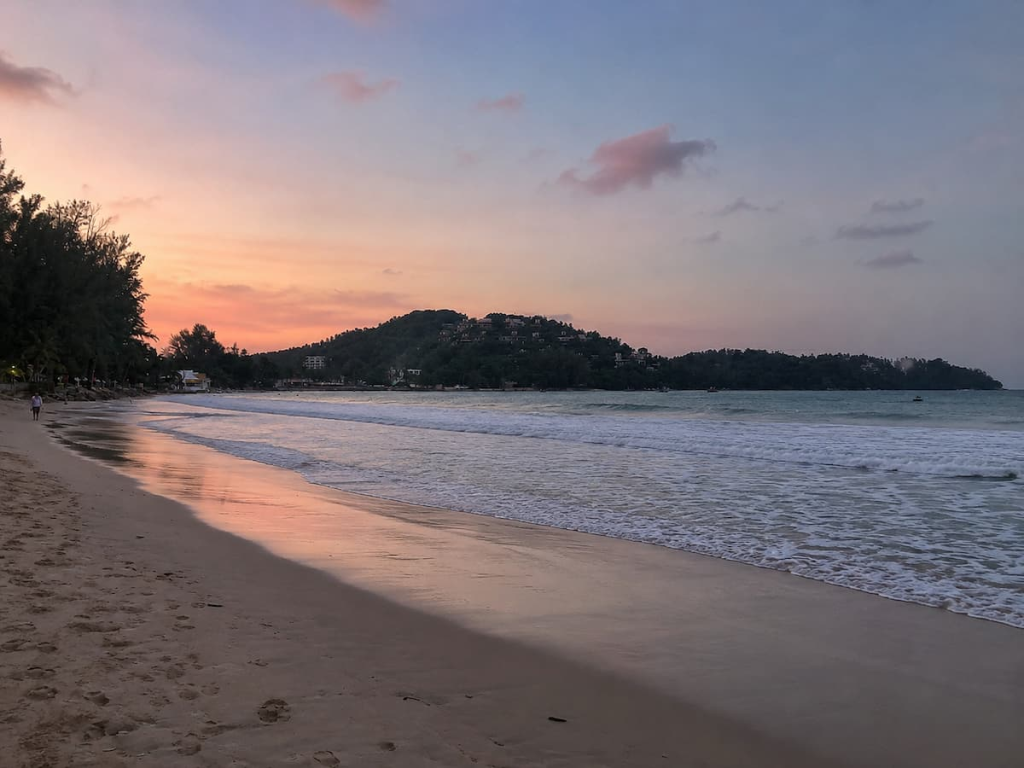
Bang Tao Beach extends for approximately six kilometres, combining major beachfront resorts, established beach clubs and long stretches of open sand. Its scale means there is no single Bang Tao experience: the southern, central and northern sections each have a noticeably different atmosphere.
The central Laguna area is the most polished, with luxury resorts, landscaped grounds and convenient access to resort dining and facilities. Farther along the bay, visitors can find beach clubs, independent businesses and quieter sections with considerably less activity. The wider Bang Tao and Cherngtalay area also offers one of Phuket’s strongest selections of restaurants and lifestyle venues, although many are located inland rather than directly beside the sand.
Recent enforcement involving unauthorised structures has closed several businesses along one part of the beachfront. Bang Tao Beach itself remains open, and established resorts and authorised venues continue to operate, but older guides may describe a larger collection of beach bars and restaurants than visitors currently find.
Bang Tao is generally more expensive and spread out than Kata, Karon or Patong. Where you enter the beach makes a significant difference, so it is worth deciding whether you want resort facilities, a beach-club atmosphere or a quieter stretch before travelling.
Best suited to: Travellers looking for resort comfort, an upscale beach day and plenty of space without the concentrated activity of Patong.
6. Freedom Beach — Best Escape Close to Patong
Current update — August 2026: Freedom Beach is temporarily closed to visitors and water activities due to dangerous monsoon conditions. Authorities will consider reopening the beach when conditions are safe and appropriate safety measures are in place. We will update this information when the situation changes.
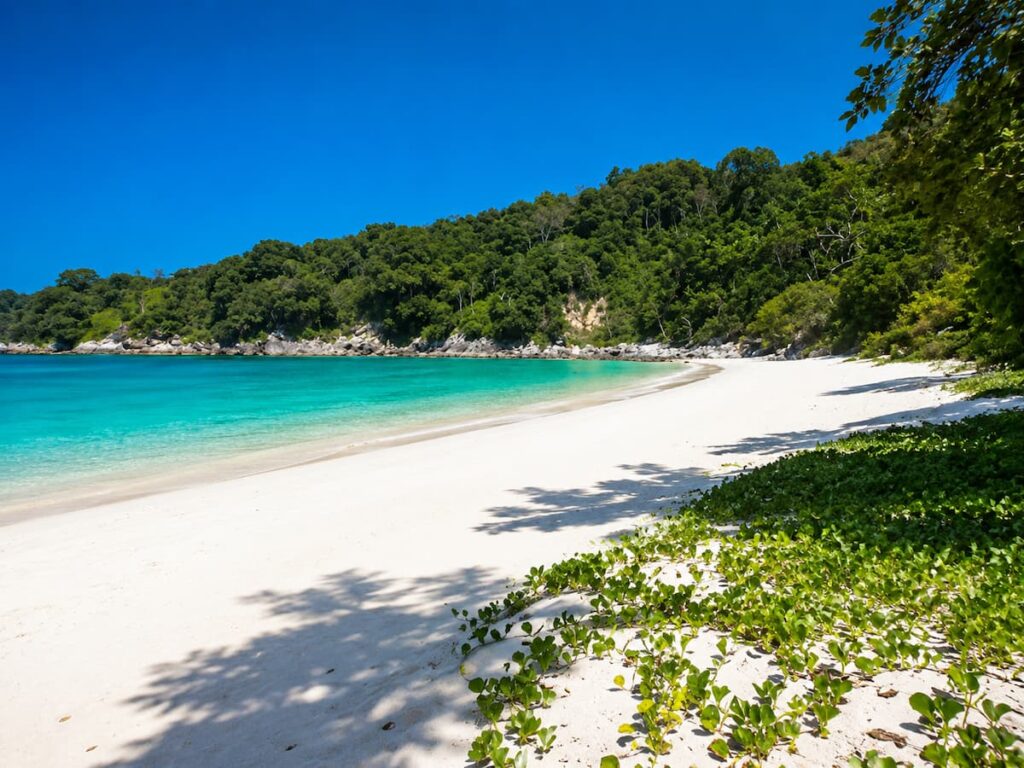
Freedom Beach is a small, jungle-backed bay located just south of Patong. Its soft sand, clear water during favourable conditions and separation from conventional road access create a striking contrast with the activity of Patong Beach only a short distance away.
When access is operating normally, visitors generally reach Freedom Beach by longtail boat from Patong during calm conditions or descend on foot from the road above. The land approach involves a steep trail and steps, followed by a demanding climb on the return journey. It is not suitable for everyone, particularly during wet or slippery conditions.
Limited access helps protect the beach from the continuous development found along Phuket’s major resort beaches, although Freedom is well known and can still become busy when boats arrive during high season. Facilities have historically been limited and are currently subject to change following enforcement involving unauthorised structures. Access arrangements should therefore be checked before visiting after the beach reopens.
Best suited to: Travellers wanting a scenic beach escape close to Patong who are comfortable with the additional effort required to reach it.
Looking for another quieter beach near Patong? Read our detailed Tri Trang Beach guide.
7. Mai Khao Beach — Best for Solitude and Nature
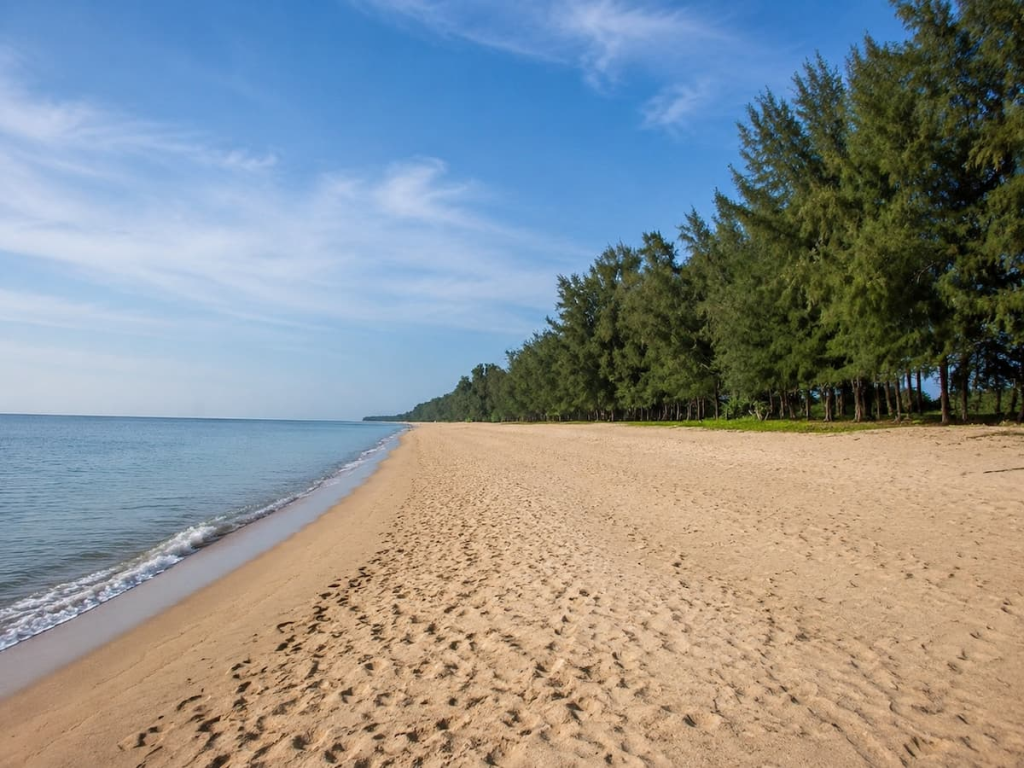
Mai Khao Beach extends for approximately 10 kilometres along Phuket’s northwestern coast, making it the island’s longest beach. Substantial sections form part of the Sirinat National Park coastline and remain far less developed than the resort beaches farther south.
Its greatest appeal is the sense of space. Visitors can walk long distances beside an open shoreline with few people, limited commercial activity and stretches of casuarina-backed sand. Several luxury resorts are positioned along parts of the coast, but large sections of the beach retain a quiet and comparatively natural atmosphere.
Near the southern airport end, aircraft may pass low above the beach when the approach direction and weather conditions align. This experience applies to one particular section rather than Mai Khao as a whole. The wider area is also associated with sea-turtle conservation, including organised releases of rehabilitated young turtles, but wildlife encounters are never guaranteed and nesting areas should not be disturbed.
Mai Khao is better suited to walking, sunsets and experiencing Phuket’s quieter northern coastline than to a conventional swimming day. The beach shelves steeply in places, facilities are limited outside the resort areas, and strong seasonal currents can make entering the water dangerous.
Best suited to: Travellers seeking solitude, long coastal walks and a less-developed beach environment rather than activities and extensive facilities.
How to Choose the Right Phuket Beach
The best beach for your visit depends less on finding a universal winner and more on deciding what you want from the day.
- Choose Patong Beach when convenience, activities and nearby entertainment matter most.
- Choose Kata Beach for the strongest overall balance of scenery, swimming, seasonal surfing and facilities.
- Choose Karon Beach when you want more space and a long shoreline for walking.
- Choose Nai Harn Beach for an attractive natural setting and relaxed swimming during favourable conditions.
- Choose Bang Tao Beach for resort comfort, established beach clubs and an upscale atmosphere.
- Choose Freedom Beach for a scenic escape close to Patong once the current temporary closure has ended.
- Choose Mai Khao Beach for solitude, nature and long walks along Phuket’s quiet northern coastline.
No single choice will suit every traveller. Patong provides the most convenience but the least solitude, while Mai Khao offers the greatest sense of space with far fewer public facilities. Kata provides the best compromise, but travellers seeking a more distinctive experience may prefer one of the beaches selected for a specific strength.
Best Time to Visit Phuket’s Beaches
Phuket’s west-coast beaches are generally calmest between November and April, when lower rainfall and gentler seas create more reliable conditions for swimming, sunbathing and longtail-boat trips. December to February usually offers the most settled beach weather, although it is also Phuket’s busiest and most expensive period.
From approximately May to October, the southwest monsoon brings larger waves, stronger currents and more frequent red flags. Beach conditions can still vary from day to day, and this period provides Phuket’s best surfing—particularly at Kata—but it is less reliable for conventional swimming and boat access.
The transitional months of April, May, October and November can produce a mixture of calm days and unsettled conditions. Regardless of the month, check the flags displayed on the beach and follow lifeguard instructions before entering the water.
For a more detailed breakdown of Phuket’s seasons, rainfall and monthly conditions, read our Best Time to Visit Phuket guide.
Frequently Asked Questions About Best Beaches In Phuket
Which is the nicest beach in Phuket?
There is no single nicest beach for every visitor. Nai Harn offers one of the most attractive readily accessible settings, while Freedom Beach is known for its small jungle-backed bay and clear water during favourable conditions. Kata provides the strongest overall combination of scenery, facilities and activities.
Which Phuket beach is best for swimming?
Kata and Nai Harn are both excellent swimming choices when the sea is calm, particularly between November and April. Conditions can change on any beach, so always check the displayed flags before entering the water.
Which Phuket beach is best for families?
Kata Beach offers a strong family balance, with nearby accommodation, restaurants, soft sand and generally calm dry-season water. Bang Tao is another good choice for families staying at one of its larger resorts. Children should always be closely supervised near the sea, regardless of how calm the water appears.
Which beach is closest to Patong?
Patong Beach is directly beside the resort centre and is the most convenient choice for anyone staying in Patong. Tri Trang Beach is a quieter nearby alternative reached by travelling around the southern headland. Freedom Beach is also close geographically but requires more effort to reach and is temporarily closed.
Are Phuket’s beaches safe during the rainy season?
Some beach days remain possible during Phuket’s wetter months, but the southwest monsoon produces larger waves, strong currents and frequent red-flag conditions along the west coast. Never enter the sea when a red flag is displayed. If conditions are unsuitable, enjoy the beach from the sand or choose a non-swimming activity.
Are beaches in Phuket free to access?
Most Phuket beaches are public and free to access, although visitors may pay for parking, transport, national-park entry or optional services such as loungers. Authorities have stated that no fee should be charged merely to access Freedom Beach when it reopens, but its future access arrangements should be checked following recent enforcement and improvement work.
Is Freedom Beach currently open?
No. As of August 2026, Freedom Beach is temporarily closed to visitors and water activities because of dangerous monsoon conditions. Authorities will consider reopening it when conditions are safe and suitable safety measures are in place. This article will be updated when its status changes.
Final Notes Best Beaches In Phuket
Phuket’s best beaches offer distinctly different experiences rather than a single universal winner. Kata Beach provides the strongest overall balance, while Patong Beach is the most convenient and Karon Beach offers more room for long walks. Choose Nai Harn Beach for scenery and calmer-season swimming, Bang Tao Beach for an upscale resort day, Freedom Beach for an escape close to Patong once it reopens, and Mai Khao Beach for solitude and nature.
Whichever beach you choose, assess the conditions when you arrive. Phuket’s west coast is generally calmest between November and April, but sea conditions can change quickly. Never enter the water when red flags are displayed.
Continue Exploring
Southern Thailand Travel Guide
Explore the wider region beyond Phuket, including the Andaman coast, Gulf islands, national parks, beaches and some of Southern Thailand’s most distinctive destinations.
Thailand Travel Guide
Plan more of your journey through Thailand with practical destination guidance, regional inspiration and ideas for creating a trip that matches your interests.
Related Reading
Phuket Travel Guide
Explore Phuket’s main areas, attractions, beaches, accommodation choices and practical travel information when planning a wider island holiday.
Patong Travel Guide
Discover Patong’s beaches, nightlife, shopping, restaurants, accommodation areas and activities beyond its busiest central streets.
Tri Trang Beach Guide
Plan a quieter beach escape close to Patong, including what the beach is like, how tides affect the experience and what to expect when visiting.
Best Time to Visit Phuket
Compare Phuket’s seasons and monthly conditions to find the best balance of beach weather, lower prices, fewer crowds or surfing conditions.
Best Beaches in Southern Thailand
Look beyond Phuket and compare standout beaches across Southern Thailand’s Andaman coast and Gulf islands.
About the Author
David Hibbins is an Australian travel publisher, destination researcher and the creator of Travel With Insight.
David spends considerable time in Phuket and has travelled extensively throughout Thailand and Southeast Asia. His work combines first-hand experiences, repeat visits and practical observations with careful destination research and current information.
Where David has visited a destination himself, those experiences help shape the guidance he provides—from understanding how places feel beyond their best-known attractions to recognising transport challenges, changing conditions and small practical details that shorter visits can miss. Research is used to verify historical context, current visitor information and aspects he has not experienced personally.
His work focuses on helping travellers move beyond popularity rankings, marketing claims and generic “best of” lists. Rather than telling readers where they should travel, his goal is to explain the strengths, limitations and individual character of each destination so they can choose the places that best match their interests, travel style and available time.
Through Travel With Insight, David explores not only where travellers go, but why they choose particular destinations, how experiences differ and what helps turn a well-researched trip into a genuinely memorable journey.
Explore More Travel Resources
Every rewarding journey begins with informed decisions. The more you understand a destination before arriving, the easier it becomes to choose experiences that suit your interests, expectations and preferred pace.
Whether you are researching one destination, comparing several possibilities or preparing a complete itinerary, these additional travel resources can help.
Travel With Insight
Continue exploring in-depth destination guides, first-hand travel insight and practical planning advice created to help you make informed travel decisions throughout Thailand and Southeast Asia.
Go Find Asia
Discover destinations, attractions and travel ideas from across Asia, with inspiration to help you decide where to go, what to experience and which places deserve a closer look.
Resurgence Travel
Move from research to practical planning with curated itineraries, personalised travel support and local insight focused on creating more rewarding journeys through Thailand and Southeast Asia.
One Comment