
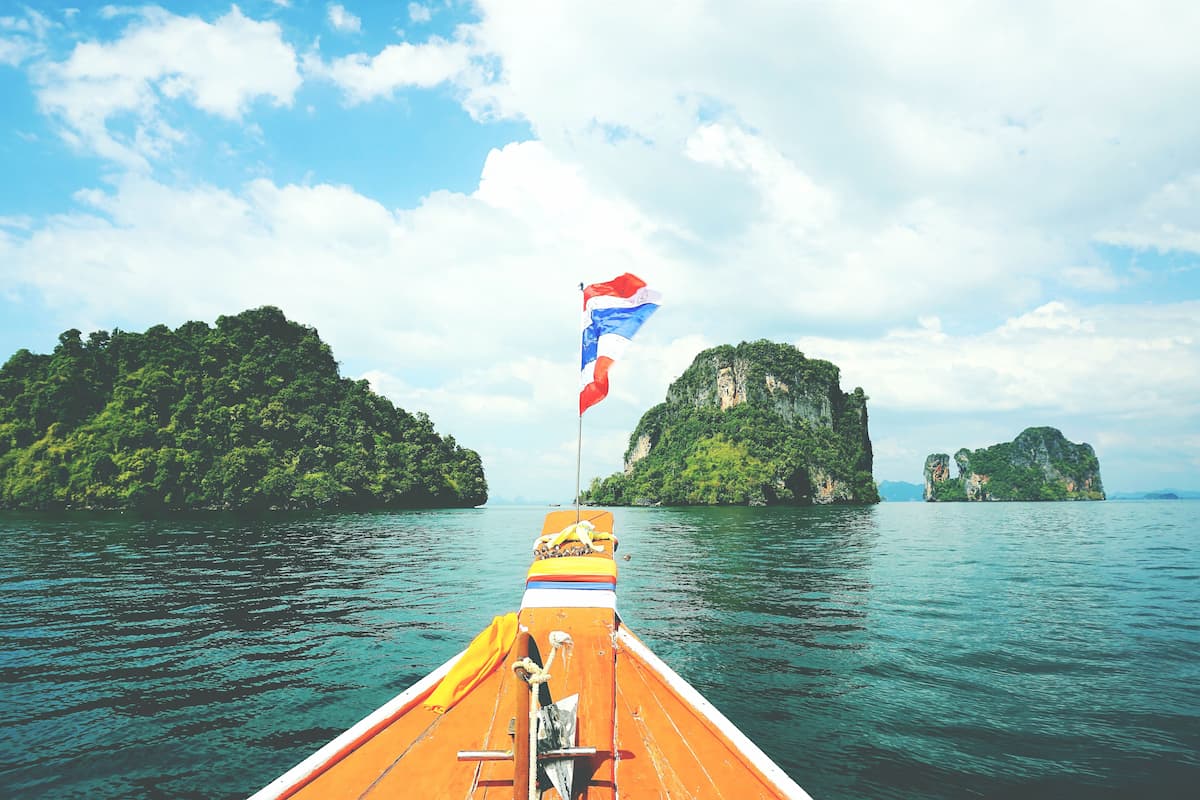
Best Islands in Southern Thailand
Southern Thailand’s islands are often presented as interchangeable versions of the same tropical holiday. In reality, choosing between them can fundamentally change your experience. Some offer airports, extensive resorts and lively visitor centres, while others are reached only by boat and provide little beyond quiet beaches, small communities and beautiful natural surroundings.
This is not simply a list of Southern Thailand’s most famous islands. Each has been selected because it offers a meaningfully different kind of holiday. Phuket provides exceptional variety and convenience, Koh Tao is closely connected to diving and snorkelling, Koh Lanta suits a slower extended stay, and Koh Yao Noi offers a quieter experience shaped by local island life. Other selections stand out for dramatic scenery, polished resorts or remarkably clear water.
The islands are divided between the Andaman Sea and Gulf of Thailand, which have different weather patterns, transport routes and opportunities for island hopping. The right choice therefore depends not only on beaches and scenery, but also on when you are travelling, how much time you have and the atmosphere you want.
This guide compares seven of the best islands in Southern Thailand, including what makes each distinctive, who it suits, its principal compromises, the best time to visit and how long to stay. Rather than ranking very different destinations from first to seventh, it is designed to help you identify the island that best matches the Southern Thailand holiday you want.
Quick Summary: Choosing the Right Southern Thailand Island
Each of these islands offers a different balance of beaches, activities, accessibility and atmosphere. The following comparison provides a quick starting point, with the individual sections explaining the advantages and compromises in greater detail.
| Island | Best for | Recommended stay | Best time to visit |
|---|---|---|---|
| Phuket | Variety, convenience and first-time visitors | 5–7 days | November–April |
| Koh Samui | Comfortable resorts, couples and families | 4–7 days | January–August |
| Koh Phi Phi | Dramatic scenery and memorable boat trips | 2–3 nights | November–April |
| Koh Tao | Diving, snorkelling and active island holidays | 3–5 nights | February–September |
| Koh Lanta | Relaxed beaches, families and longer stays | 4–7 days | November–April |
| Koh Lipe | Clear water, snorkelling and tropical beaches | 3–5 nights | November–April |
| Koh Yao Noi | Peace, rural scenery and local island character | 2–4 nights | November–April |
These periods reflect typical seasonal patterns rather than guaranteed weather. Conditions can vary from year to year, and the islands in the Gulf of Thailand do not follow precisely the same weather cycle as those in the Andaman Sea. Marine park closures and reduced boat services can also affect some destinations during the wetter months.
Andaman Sea or Gulf of Thailand?
Southern Thailand’s principal holiday islands are divided between the Andaman Sea on the western coast and the Gulf of Thailand on the eastern coast. This distinction affects scenery, seasonal weather, transport routes and which islands can be combined conveniently within the same holiday.
Islands in the Andaman Sea
Phuket, Koh Phi Phi, Koh Lanta, Koh Lipe and Koh Yao Noi are located in the Andaman Sea. This coast is particularly known for towering limestone formations, clear-water marine parks and island-hopping routes connecting Phuket, Phang Nga, Krabi, Trang and Satun.
Conditions are generally most dependable from approximately November to April, when calmer seas support regular ferry services, snorkelling trips and access to smaller islands. The wetter southwest monsoon usually has a greater effect from May to October, although this does not mean that it rains continuously throughout those months. Visitors may still experience good weather, but rougher seas, reduced boat schedules and seasonal marine park closures become more likely.
Islands in the Gulf of Thailand
Koh Samui and Koh Tao lie in the Gulf of Thailand, together with Koh Phangan and the islands of Ang Thong Marine National Park. These islands follow a different weather cycle and can remain attractive during parts of the year when conditions are less dependable along the Andaman coast.
Koh Samui and Koh Tao are often particularly appealing from the beginning of the year through the middle of the year. Their wetter period generally arrives later, with October and November among the months most likely to experience sustained rain and disrupted sea conditions. Local variations still occur, and Koh Tao’s diving visibility does not always follow exactly the same pattern as rainfall.
For most travellers, it is more efficient to remain on one coast when combining islands. Phuket, Koh Phi Phi and Koh Lanta form a natural Andaman route, while Koh Samui, Koh Phangan and Koh Tao work well together in the Gulf. Travelling between the two coasts is possible, but the road and ferry connections can consume much of a day that might otherwise be spent enjoying the islands.
Phuket: Best for Variety and Convenience
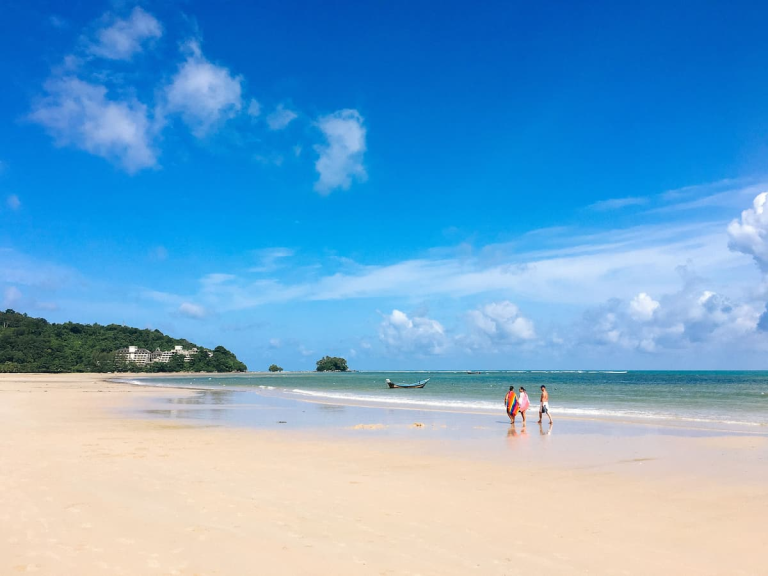
Phuket is the largest and most developed island in Thailand, making it the strongest choice for travellers who want beaches without sacrificing convenience, accommodation choice or things to do. It has an international airport, a bridge connecting it to the mainland and enough variety to support anything from a short beach break to a much longer holiday.
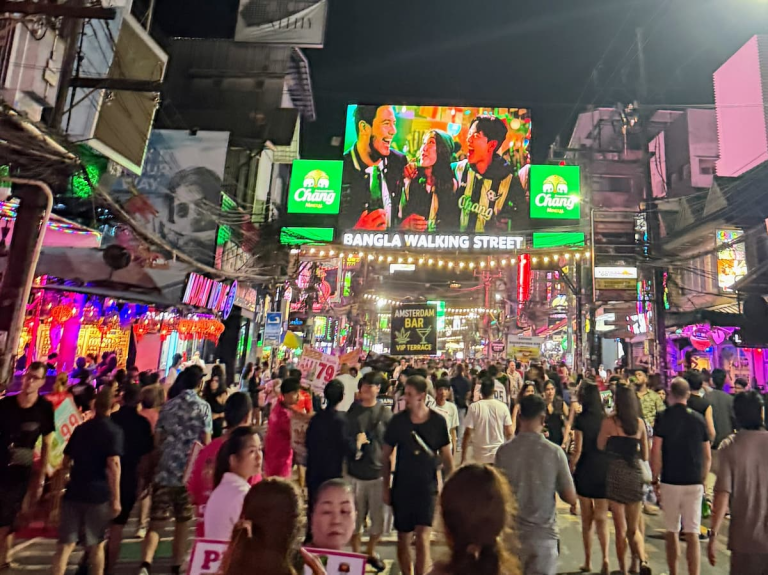
The island’s greatest strength is that Phuket does not provide just one type of experience. Patong combines a broad beach, shopping, restaurants and energetic nightlife, while Kata and Karon offer a more conventional resort atmosphere. Kamala feels more contained, Bang Tao combines beach clubs with an expanding dining scene, and the northern beaches generally provide more space and tranquillity. Phuket Old Town adds colourful historic architecture, markets, cafés and a cultural dimension that many smaller islands cannot match.
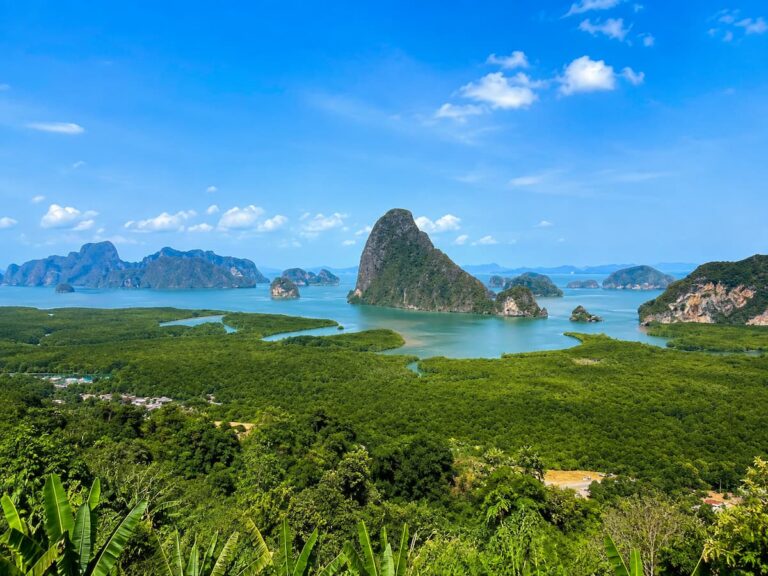
Phuket is also one of Southern Thailand’s most practical bases for exploring the surrounding region. Boat trips depart for Phang Nga Bay, the Phi Phi Islands, the Racha Islands and smaller snorkelling destinations. This allows visitors to experience some of the Andaman Sea’s most dramatic scenery without repeatedly changing accommodation.
Who Is Phuket Best For?
Phuket is particularly well suited to first-time visitors, families, groups with different interests and travellers who want plenty of choices. Its extensive accommodation ranges from inexpensive guesthouses and family resorts to private villas and internationally recognised luxury properties.
It is also a sensible choice for anyone who wants nightlife, shopping, cultural attractions and organised activities alongside time at the beach. Travellers arriving on a limited schedule may appreciate being able to fly directly to the island and begin their holiday without an additional ferry transfer.
However, choosing the right part of Phuket is essential. Someone seeking quiet evenings and an uncrowded beach may have a very different experience in northern Phuket than in central Patong. The island should therefore be approached as several distinct holiday areas rather than one uniform destination.
Best Time to Visit Phuket
November to April generally provides Phuket’s most dependable beach weather, with lower rainfall, calmer seas and the widest choice of boat excursions. December through February is usually the busiest period, bringing higher accommodation prices and greater demand for popular tours.
May to October is wetter and the Andaman Sea can become rougher. Visitors can still experience sunny periods and benefit from lower prices and fewer crowds, but swimming conditions are less predictable. Red warning flags should always be respected, particularly on exposed west-coast beaches, and boat trips may be cancelled when conditions deteriorate.
How Long Should You Stay in Phuket?
Allow at least five to seven days for a balanced first visit. This provides enough time to enjoy the beach, explore Phuket Old Town, experience another part of the island and take one or two excursions without filling every day.
A shorter three- or four-night stay can work when Phuket forms part of a wider Southern Thailand itinerary, while visitors interested in a slower resort holiday can comfortably remain for ten days or longer.
Phuket is not a day-trip island. Its size, variety and road distances mean that even a week only introduces part of what it offers. It works best as a principal destination or as the starting point for a wider Andaman island journey.
What Are the Compromises?
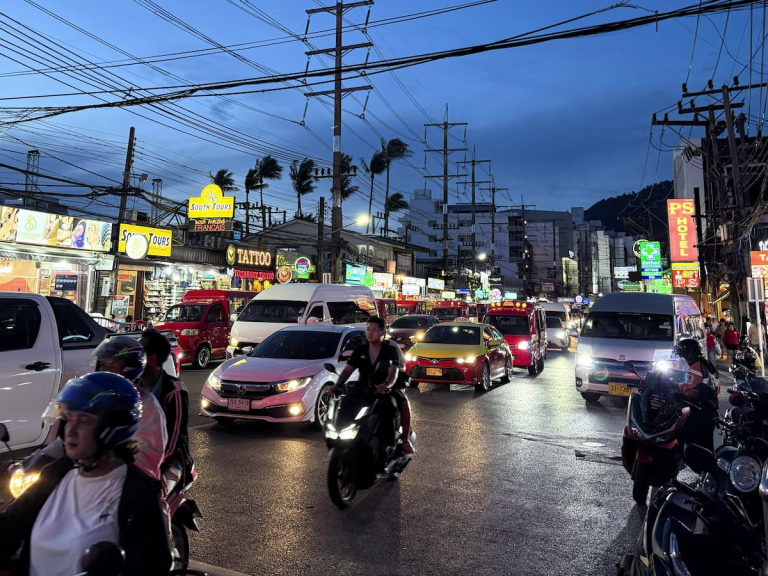
Phuket’s convenience comes with heavier development, traffic and busy visitor centres. Popular beaches can feel crowded during the main season, and journeys across the island may take considerably longer than their distance suggests.
It is also less likely than Koh Lipe or Koh Yao Noi to provide an immediate sense of escaping to a small tropical island. For some travellers, that variety and infrastructure are precisely the attraction. Others may prefer to use Phuket as an arrival point before continuing somewhere smaller, quieter or more focused on nature.
Koh Samui: Best for a Comfortable Resort Holiday
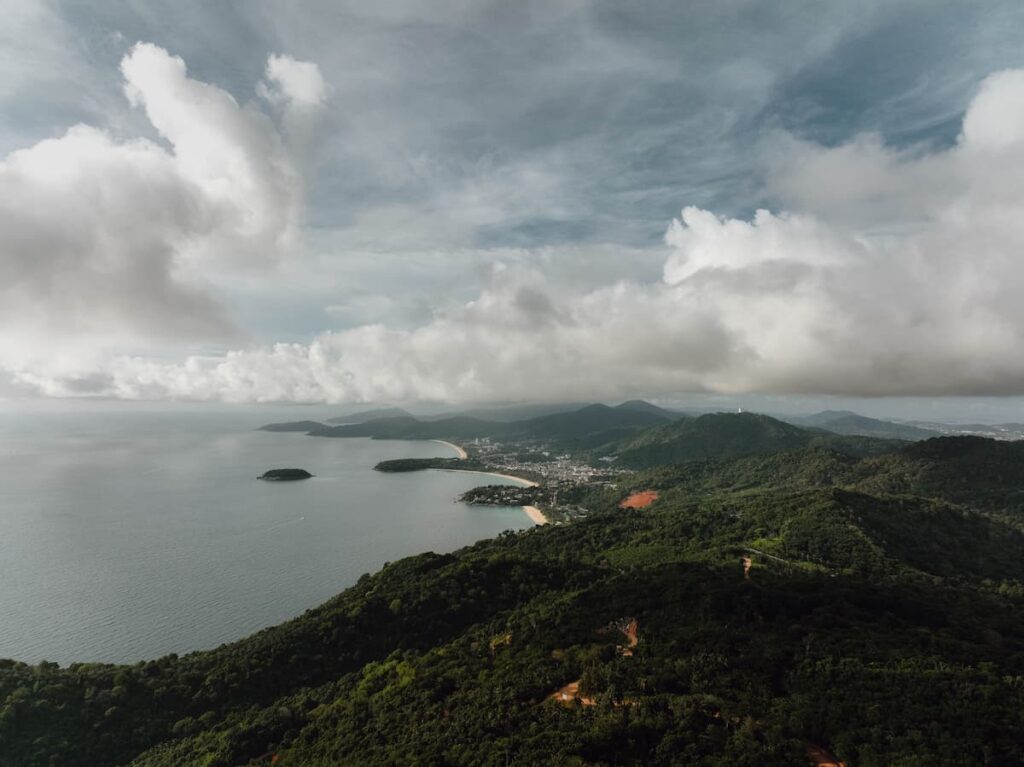
Koh Samui combines the atmosphere of a tropical island with much of the comfort and convenience normally associated with a major holiday destination. Its airport, extensive resort market, established dining scene and contrasting beach areas make it particularly appealing to travellers who want an easy island holiday without relying entirely on boats or basic facilities.
Chaweng is the island’s busiest visitor centre, offering a long beach alongside restaurants, shopping and nightlife. Lamai provides a slightly more relaxed alternative while retaining plenty of accommodation and services. Bophut is known for Fisherman’s Village and its evening dining atmosphere, while Maenam, Lipa Noi and several smaller bays suit visitors seeking quieter surroundings.
Away from the coast, Samui contains coconut-covered hills, waterfalls, viewpoints and temples, including Wat Phra Yai and Wat Plai Laem. Boat trips also travel to the limestone islands, hidden lagoons and viewpoints of Ang Thong Marine National Park. This gives Samui enough variety to support a longer stay without requiring visitors to spend every day beside their resort.
Who Is Koh Samui Best For?
Koh Samui is especially suitable for couples, families and travellers who value comfortable accommodation. Its resort selection extends from modest beachfront properties to luxury villas, wellness retreats and internationally recognised hotels.
The island works particularly well for mixed-interest holidays. One traveller can prioritise spa treatments and quiet resort days while another explores temples, waterfalls, markets or nearby islands. Families benefit from the broad selection of accommodation, restaurants and organised activities, while couples can choose between lively beachfront areas and secluded hillside or coastal retreats.
Samui is also a practical starting point for a Gulf of Thailand itinerary. Regular boat connections make it possible to continue to Koh Phangan or Koh Tao without crossing back through the mainland.
Best Time to Visit Koh Samui
Koh Samui follows a different seasonal pattern from Phuket and the Andaman coast. Conditions are often attractive from January through August, with February to April generally among the most dependable months for sunshine and calmer seas.
Rain can occur at any time in the tropics, and the middle of the year may still bring brief showers. Samui’s more concentrated rainy period usually arrives later than the Andaman monsoon, with October and November particularly likely to experience heavier rainfall and disrupted sea conditions. Conditions often begin improving during December, although the transition varies between years.
This different weather pattern makes Samui a useful alternative when travelling during months that are less reliable on Southern Thailand’s western coast.
How Long Should You Stay on Koh Samui?
Four to seven days gives most visitors enough time to enjoy their chosen beach, explore several parts of the island and take an excursion to Ang Thong Marine National Park or a neighbouring island.
Three nights can work within a wider Gulf itinerary, particularly when combining Samui with Koh Phangan or Koh Tao. Travellers staying at a resort, visiting as a family or seeking a slower holiday can comfortably remain for a week or longer.
Samui is an overnight destination rather than a realistic day trip. Its size and variety justify several days, while its airport makes it a convenient arrival or departure point for the wider Gulf island group.
What Are the Compromises?
Koh Samui is more developed and commercial than many smaller Southern Thailand islands. Chaweng and other popular areas can become busy, and travelling around the island normally requires taxis, organised transport or a rental vehicle.
Flying directly to Samui can also be more expensive than reaching Surat Thani and continuing by road and ferry. Travellers seeking inexpensive diving may prefer Koh Tao, while those wanting a quieter and less polished atmosphere may find Koh Phangan or one of the smaller Andaman islands more rewarding.
Samui’s strength is not seclusion. It is the ability to combine beaches, resorts, dining, activities and straightforward access within one comfortable island holiday.
Koh Phi Phi: Best for Dramatic Island Scenery
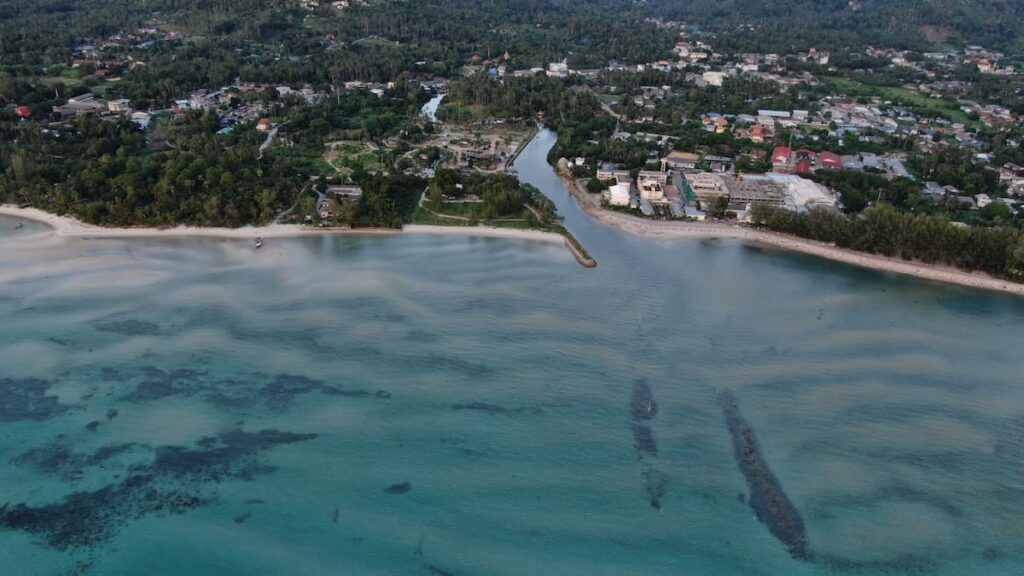
The Phi Phi Islands contain some of Southern Thailand’s most recognisable landscapes. Towering limestone cliffs rise directly from turquoise water, narrow bays curve between forested hills and viewpoints reveal the unusual shape of Phi Phi Don. Although the islands are frequently visited on day trips from Phuket and Krabi, staying overnight creates a more complete—and markedly different—experience.
The archipelago consists of six islands within Hat Noppharat Thara–Mu Ko Phi Phi National Park. Phi Phi Don is the only permanently inhabited island and contains the accommodation, restaurants and principal visitor facilities. Nearby Phi Phi Leh is protected and uninhabited, with Maya Bay, Pileh Lagoon and dramatic limestone scenery forming the focus of many boat trips.
Central Tonsai Village is compact, pedestrianised and lively, with restaurants, shops, bars and boats gathered between Tonsai Bay and Loh Dalum Bay. Travellers seeking quieter surroundings can stay farther from the centre around Long Beach, Laem Tong or one of the island’s more secluded bays, although reaching some properties requires a longtail boat.
Who Are the Phi Phi Islands Best For?
Koh Phi Phi is best suited to travellers who place scenery, photography and boat exploration near the top of their priorities. It can work particularly well for couples, first-time visitors to Southern Thailand and anyone who wants to wake up among the limestone landscapes rather than view them briefly from a tour boat.
Snorkelling, diving, kayaking and climbing to the island’s viewpoints provide alternatives to simply relaxing on the beach. The central area also has an energetic social and nightlife scene that attracts younger travellers.
The island is less suitable for visitors seeking extensive cultural attractions, road-based exploration or guaranteed tranquillity. Choosing accommodation away from Tonsai becomes important for anyone who wants peaceful evenings.
Best Time to Visit Koh Phi Phi
November to April usually provides the most dependable conditions for visiting the Phi Phi Islands. Calmer seas during this period support regular ferries, longtail excursions, snorkelling and access to the archipelago’s smaller bays.
December through February brings some of the best-known weather but also the largest visitor numbers. The wetter period from May to October can offer lower accommodation prices and fewer crowds, although rough seas may affect ferries and boat trips.
Maya Bay and other protected locations may close temporarily for environmental recovery or visitor safety. Access rules can also change, so travellers should check current national park conditions rather than assuming every attraction will be available throughout their stay.
How Long Should You Stay on Koh Phi Phi?
Two to three nights is ideal for most visitors. This allows time for an early-morning or later-afternoon boat trip, a climb to the viewpoint and a relaxed day around Phi Phi Don without stretching a relatively compact destination into a long stay.
A day trip from Phuket, Krabi or Koh Lanta is possible, but it compresses the experience into the busiest part of the day. In my experience, spending two nights on Phi Phi provides a much better understanding of the island. You can see how its atmosphere changes after many excursion boats leave and explore at times when the principal attractions may be less congested.
Visitors primarily interested in nightlife or diving may stay longer, but travellers wanting extensive variety will normally find two or three nights sufficient.
What Are the Compromises?
Phi Phi’s beauty has made it intensely popular. Tonsai Village can feel crowded and noisy, while boat traffic and concentrated development reduce any impression that the main settlement is an untouched island retreat.
Accommodation can also be relatively expensive for the space and standard provided, particularly during the main season. Reaching quieter resorts may involve additional boat transfers, and poor weather can complicate those journeys.
Koh Phi Phi should therefore be chosen with realistic expectations. It is not the region’s quietest or most spacious island, but few destinations can match the immediate drama of its cliffs, bays and surrounding water.
Koh Tao: Best for Diving and Snorkelling
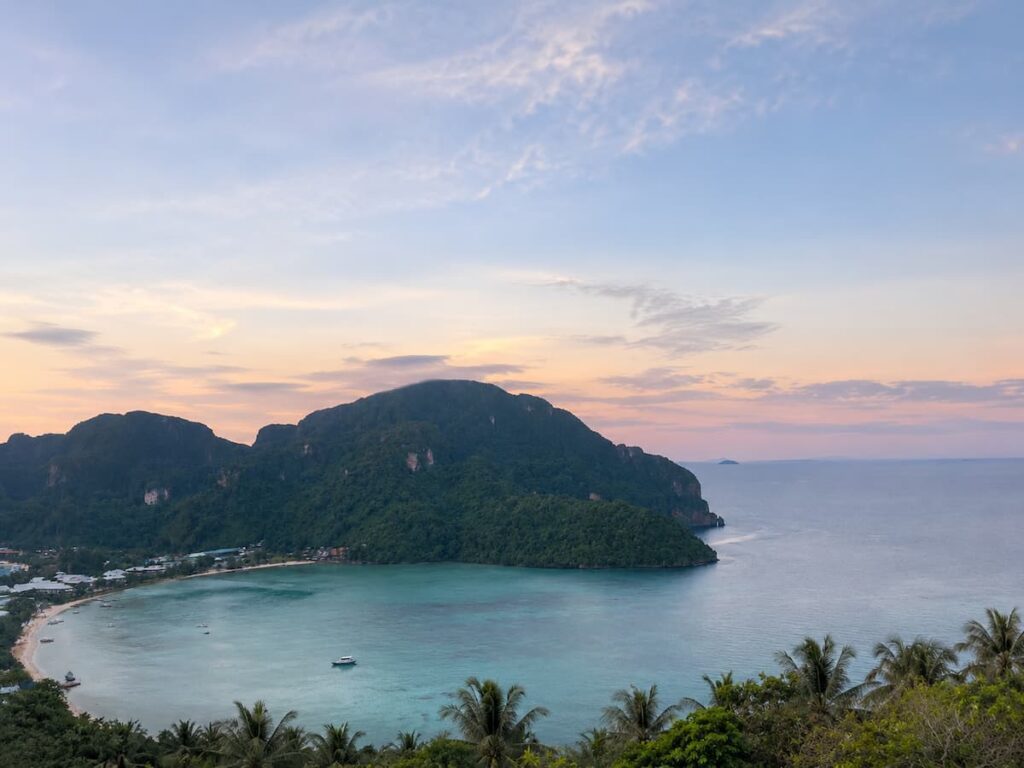
Koh Tao has developed one of Southern Thailand’s clearest island identities. While other destinations offer diving among a much wider collection of attractions, the underwater world is central to life on Koh Tao. Dive schools, training courses, boat trips and marine conservation projects attract beginners and experienced divers from around the world.
The island is considerably smaller than Phuket or Koh Samui, but its coastline contains numerous bays with different characteristics. Sairee Beach provides the principal social centre, combining accommodation, dive schools, restaurants and sunset-facing bars. Mae Haad contains the main ferry pier, while quieter areas such as Tanote Bay, Shark Bay and Ao Leuk appeal to visitors prioritising swimming, snorkelling and more peaceful surroundings.
Koh Tao is not exclusively for divers. Travellers can snorkel from selected beaches, join a circuit around the island by boat, hike to elevated viewpoints or visit nearby Koh Nang Yuan. However, the island’s strongest appeal remains its ability to make diving accessible, sociable and central to the holiday.
Who Is Koh Tao Best For?
Koh Tao is the natural choice for travellers planning to learn to dive or add several dives to a wider Thailand itinerary. Its concentration of dive schools creates considerable choice, although visitors should compare safety standards, class sizes, equipment and instructor experience rather than selecting solely by price.
Snorkellers, active couples and younger independent travellers can also enjoy the island. Sairee has a sociable evening atmosphere without the entire island being dominated by nightlife, while more secluded bays support a quieter stay.
Visitors who are uninterested in water activities may find Koh Tao less varied than Samui, Phuket or Koh Lanta. Families can certainly visit, but steep roads, boat-only access and the layout of some accommodation require more careful planning.
Best Time to Visit Koh Tao
Koh Tao can be visited through much of the year, but February to September generally provides the broadest window for favourable conditions. March and April are popular for calmer seas and warm weather, while different dive sites can perform better at different points in the season.
Rainfall usually becomes more concentrated later in the year, particularly around October and November. Rough seas may disrupt ferries and reduce access to exposed snorkelling or diving locations during unsettled weather.
Underwater visibility is affected by wind, currents, plankton and recent rainfall, so the driest day does not automatically produce the best diving conditions. Travellers visiting for a particular dive experience should check recent local reports rather than relying only on a general monthly weather guide.
How Long Should You Stay on Koh Tao?
Three to five nights suits visitors who want to snorkel, explore several bays and complete a small number of recreational dives. Travellers undertaking an entry-level diving course may need four or five days, while experienced divers could remain longer depending on the number of sites they want to visit.
Koh Tao is not well suited to a conventional day trip. Reaching it requires a ferry from Chumphon, Koh Samui, Koh Phangan or the Surat Thani side of the Gulf, and the travelling time leaves little opportunity to experience the island properly.
A day excursion from Koh Samui or Koh Phangan may visit waters around Koh Tao and Koh Nang Yuan, but this should not be confused with experiencing Koh Tao itself. Staying several nights provides access to early dive departures, quieter bays and the island’s evening atmosphere.
What Are the Compromises?
Koh Tao has no airport and no road connection to the mainland, making it more vulnerable to ferry disruption during poor weather. Its small size also means that popular areas can feel busy during peak periods.
Some roads are steep, narrow or difficult, and inexperienced scooter riders should not underestimate them. Taxis and boat transfers provide alternatives but can increase the cost of moving between bays.
Travellers seeking polished resorts, extensive shopping or a wide range of land-based attractions may prefer Koh Samui. Koh Tao is strongest when chosen deliberately for its water, diving culture and compact island atmosphere rather than as a general-purpose resort destination.
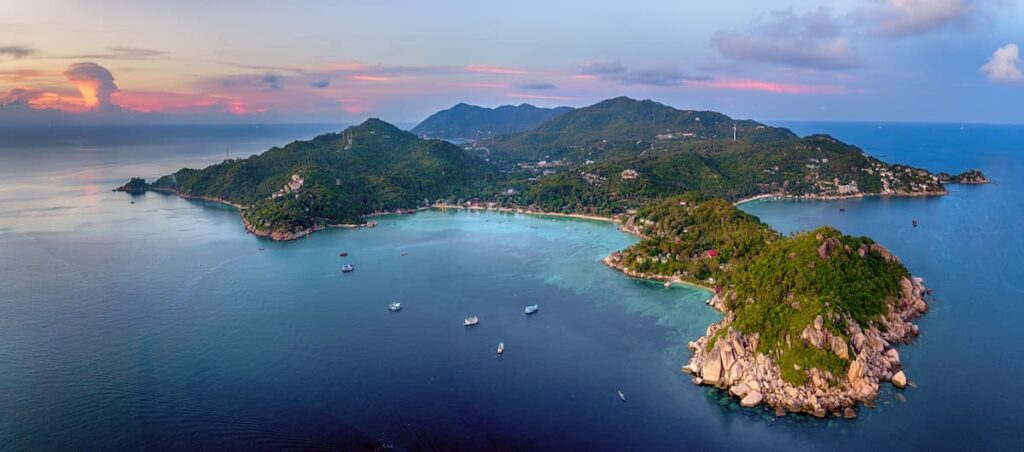
Koh Lanta: Best for Relaxed Longer Stays
Koh Lanta offers one of Southern Thailand’s most comfortable balances between visitor convenience and an unhurried island atmosphere. It has enough accommodation, restaurants and activities to support a week-long holiday, but its long coastline and relatively low-rise development prevent it from feeling as concentrated as Phuket, Samui or Phi Phi.
Most visitors stay on Koh Lanta Yai, the archipelago’s largest and principal tourism island. A series of beaches extends along its western coast, generally becoming quieter as you travel south. Klong Dao is convenient and popular with families, Long Beach combines space with a good selection of restaurants, and the smaller southern bays provide increasingly peaceful surroundings.
The island offers more than beaches. Visitors can explore the historic wooden buildings of Lanta Old Town, travel through mangrove forests, visit local communities or continue to Mu Ko Lanta National Park at the southern end. Boat trips reach Koh Rok, Koh Haa and the smaller Trang islands, while nearby dive sites add another reason to stay longer.
Who Is Koh Lanta Best For?
Koh Lanta is particularly well suited to families, couples, independent travellers and anyone wanting to slow down for several days rather than move continuously between islands. Its beaches, roads and spread-out accommodation create more personal space than the compact centres of Phi Phi or Koh Lipe.
Families benefit from the relaxed atmosphere, long beaches and choice of self-contained accommodation. Couples can choose between sociable beachfront areas and secluded southern properties, while independent travellers have enough roads, villages and natural surroundings to make exploring worthwhile.
It is less suitable for visitors seeking major nightlife, extensive shopping or a highly polished resort environment. Those prioritising dramatic limestone scenery may prefer Phi Phi, while travellers wanting the clearest immediately accessible water may favour Koh Lipe.
Best Time to Visit Koh Lanta
November to April generally offers the most dependable weather and sea conditions. December through February is the busiest period, when most accommodation, restaurants, ferry routes and island excursions are operating at full capacity.
Conditions become hotter through March and April before the southwest monsoon brings wetter and less predictable weather from approximately May to October. Koh Lanta remains inhabited and accessible throughout the year, but some resorts and tourism businesses close temporarily during the quieter months.
Boat services to smaller islands and marine attractions may become limited or stop entirely, while rough seas can affect swimming and diving. Low-season visitors should therefore choose accommodation carefully and confirm which activities remain available.
How Long Should You Stay on Koh Lanta?
Four to seven days allows enough time to enjoy several beaches, explore Old Town, visit the island’s southern landscapes and join a boat or snorkelling excursion without rushing.
Three nights can work when Koh Lanta forms part of a route through Krabi, Phi Phi or Trang, but the island’s relaxed character makes a longer stay more rewarding. Families and slow travellers can comfortably remain for a week or more.
Koh Lanta is not best approached as a day trip. Its considerable north-to-south length, dispersed attractions and gentle pace are better suited to an extended stay. Attempting to see it in several hours would involve more travelling than experiencing the island.
What Are the Compromises?
Koh Lanta’s attractions are spread across a long island, making some form of transport important. Travellers staying in the north should allow substantial time to reach the national park and southern beaches, while visitors based farther south have fewer nearby restaurants and services.
The island’s nightlife is modest and generally centred on beachfront bars rather than large clubs. It can also feel extremely quiet during the wetter season when visitor numbers fall and some businesses close.
Koh Lanta does not provide the immediate visual drama of Phi Phi or the compact tropical intensity of Koh Lipe. Its appeal is subtler: spacious beaches, manageable development and enough variety to settle into island life rather than constantly search for the next attraction.
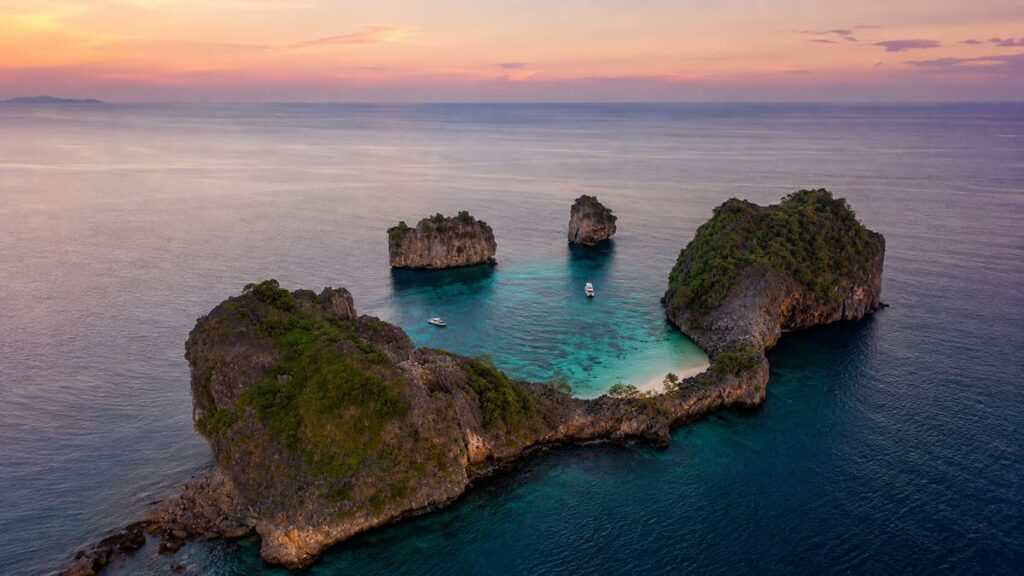
Koh Lipe: Best for Clear Water and Tropical Beaches
Koh Lipe comes close to the classic image many travellers have of a small tropical island. Its compact coastline contains pale sand, clear water and accessible snorkelling, while the surrounding islands of the Adang-Rawi archipelago create opportunities for boat trips through one of Southern Thailand’s most attractive marine environments.
The island has three principal beach areas. Pattaya Beach is the busiest arrival point and offers the greatest concentration of restaurants, bars and accommodation. Sunrise Beach is longer and generally better suited to swimming and snorkelling, while the smaller Sunset Beach provides a quieter atmosphere and west-facing evening views.
Walking Street connects Pattaya Beach with the eastern side of the island, placing restaurants, cafés, shops and tour operators within a relatively compact area. Most visitors can explore Koh Lipe on foot, although motorcycle taxis are available for luggage or journeys between the more distant ends of the island.
Beyond Koh Lipe itself, boat trips travel to snorkelling sites and protected islands throughout Tarutao National Park. Koh Adang, which rises directly opposite Sunrise Beach, offers forest, quieter coastline and elevated views across the surrounding water.
Who Is Koh Lipe Best For?
Koh Lipe is particularly well suited to couples, snorkellers and travellers who value clear water more than extensive land-based attractions. Its compact size allows visitors to divide their time easily between swimming, boat trips, restaurants and relaxed evenings.
It also works well for travellers seeking a small-island atmosphere without abandoning accommodation choice and dining convenience entirely. Properties range from simple rooms to comfortable beachfront resorts, although the island’s limited space means true isolation is increasingly difficult to find.
Visitors wanting extensive nightlife, cultural attractions or road-based exploration may find the island restrictive. Those seeking a quieter and more locally grounded experience may prefer Koh Yao Noi or Koh Libong, while families wanting broader infrastructure may be more comfortable in Phuket, Samui or Koh Lanta.
Best Time to Visit Koh Lipe
November to April is generally the best period for visiting Koh Lipe. Calmer seas support the widest selection of ferry routes, snorkelling excursions and access to the surrounding national park islands.
December through February usually brings the most dependable weather and the greatest visitor numbers. Accommodation can become expensive during Christmas, New Year and other peak periods, making advance reservations advisable.
Koh Lipe remains inhabited outside the main season, but reaching it becomes less convenient. Some long-distance island connections stop operating, leaving Pak Bara on the mainland as the principal access route. Rougher seas may disrupt boats, and sections of Tarutao National Park can close seasonally for environmental recovery and visitor safety.
How Long Should You Stay on Koh Lipe?
Three to five nights provides enough time to enjoy the principal beaches, take at least one snorkelling or island-hopping trip and allow for a relaxed day without scheduled activities.
Two nights may feel short relative to the time required to reach the island, particularly when travelling from Phuket, Krabi or another distant destination. Visitors arriving through Hat Yai and Pak Bara should also account for the combined airport, road and boat journey.
Koh Lipe is not a realistic day-trip destination from Southern Thailand’s major visitor centres. Its remoteness is part of the experience, and travellers should stay long enough to justify the journey. A longer five- to seven-night stay can suit dedicated beach lovers, although people seeking considerable daily variety may prefer a larger island.
What Are the Compromises?
Koh Lipe is sometimes described as an undiscovered paradise, but that no longer reflects the island accurately. Development has expanded, Walking Street becomes busy during the main season and boats gather along parts of the coastline.
Prices can also be higher than on larger islands because many supplies must arrive by boat. The island has limited space, fewer extensive land-based activities and less infrastructure than Phuket, Samui or Lanta.
Its remote location requires a greater investment of travelling time, while seasonal conditions affect connections to the wider archipelago. Koh Lipe earns its place through its water, beaches and marine surroundings—not through convenience, seclusion or an unlimited choice of things to do.
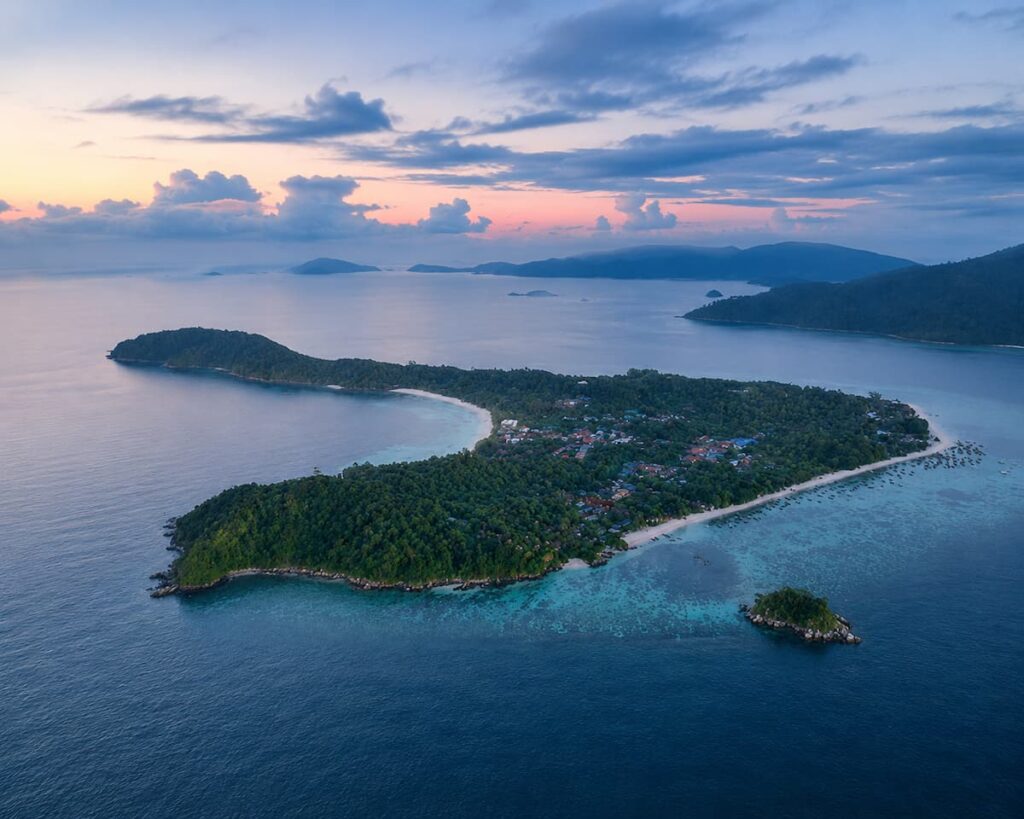
Koh Yao Noi: Best for Peace and Local Island Character
Koh Yao Noi offers a striking contrast to the highly developed destinations surrounding it. Located within Phang Nga Bay between Phuket and Krabi, the island is relatively easy to reach but retains quiet roads, fishing villages, rubber plantations, rice fields and a strong sense of everyday community life.
Tourism exists alongside rather than completely replacing the island’s traditional character. Much of the population is Muslim, and fishing and farming remain visible parts of the local economy. Visitors will find small restaurants, family-run accommodation and community experiences alongside several sophisticated resorts positioned to overlook the limestone islands of Phang Nga Bay.
Exploring the island is part of its appeal. Roads pass through villages and rural landscapes rather than connecting a long sequence of major attractions. Visitors can cycle, travel by scooter, kayak through coastal environments, visit small beaches or arrange longtail boat trips to nearby islands and limestone formations.
Koh Yao Noi should not be selected solely for its beaches. Its eastern coastline provides beautiful views, particularly around sunrise, but shallow water and pronounced tides can make swimming inconsistent. The island’s strength lies in its atmosphere, scenery and slower rhythm.
Who Is Koh Yao Noi Best For?
Koh Yao Noi is particularly well suited to couples, slow travellers and repeat visitors to Thailand who want an experience beyond the best-known resort centres. It appeals to people who enjoy quiet exploration, local restaurants and unstructured days more than nightlife or extensive organised entertainment.
The island can also work well as a peaceful addition to a busier stay in Phuket or Krabi. A few nights on Koh Yao Noi provide a noticeable change of pace without requiring a long journey into the southern Andaman Sea.
Travellers wanting consistently excellent swimming beaches, active nightlife or a large selection of attractions may be disappointed. Koh Lipe offers clearer water, Phuket provides considerably more variety, and Koh Lanta combines relaxation with a broader range of conventional holiday facilities.
Visitors should also respect the island’s predominantly Muslim culture by dressing appropriately away from beaches and resort grounds.
Best Time to Visit Koh Yao Noi
November to April generally provides the most dependable conditions for exploring Koh Yao Noi and Phang Nga Bay. Calmer seas support regular boat transfers and longtail excursions, while lower rainfall makes cycling and road exploration more comfortable.
December through February is the busiest and usually driest period. Even then, tides remain important because they affect the appearance and swimming conditions of the eastern beaches throughout the year.
The wetter months from May to October bring greener landscapes, fewer visitors and potentially lower accommodation prices. However, heavier rain, rougher water and reduced boat activity can limit excursions. Transfers from Phuket and Krabi usually remain possible, although schedules and conditions should be checked locally.
How Long Should You Stay on Koh Yao Noi?
Two to four nights is ideal for most travellers. This provides enough time to explore the island, experience its quieter mornings and evenings and arrange a boat trip without expecting a long list of daily attractions.
Koh Yao Noi can be visited on a day trip from Phuket or Krabi, but a brief excursion misses much of what makes it distinctive. Its appeal is not based on reaching one essential landmark. It comes from slowing down, travelling through the villages and allowing the island’s atmosphere to emerge over several days.
Visitors seeking complete rest, wellness or a secluded resort stay may remain for considerably longer. Those who need constant entertainment may find two or three nights sufficient.
What Are the Compromises?
Koh Yao Noi’s beaches are strongly affected by tides and are not consistently comparable with the clear-water beaches of Koh Lipe or the long swimming beaches of Koh Lanta. Visitors choosing the island primarily for a conventional beach holiday may therefore be disappointed.
Restaurants, shops and accommodation are more limited than on larger islands, and exploring independently is easier with a scooter, bicycle or locally arranged transport. Evening entertainment is quiet, and there is no significant party scene.
These limitations are also central to the island’s appeal. Koh Yao Noi earns its place among the best islands in Southern Thailand because it provides tranquillity, community character and rural scenery within easy reach of two of the region’s busiest destinations.
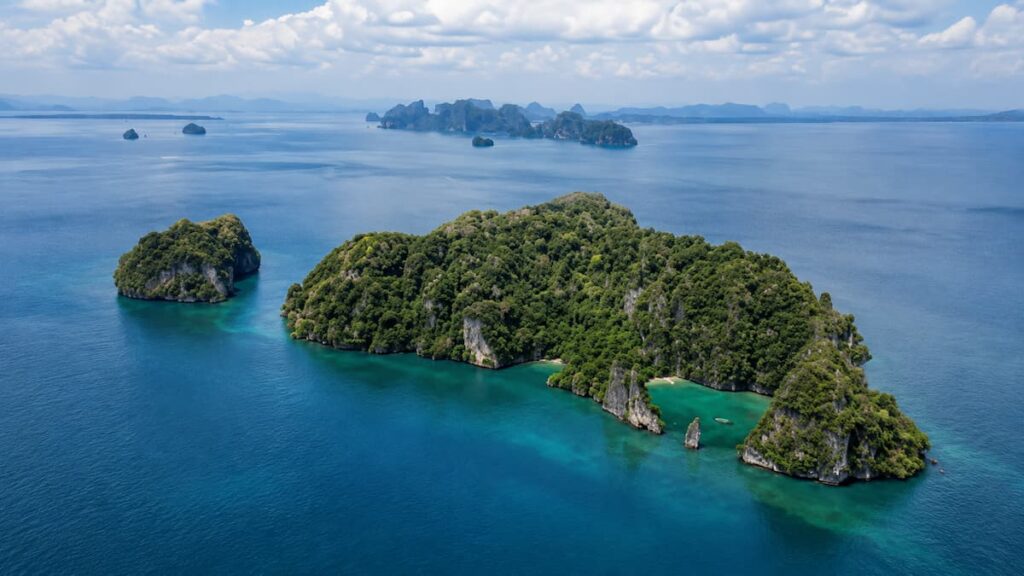
Other Southern Thailand Islands Worth Considering
Limiting the principal selection to seven inevitably excludes several islands capable of creating excellent holidays. The following alternatives may be better suited to travellers seeking a particular atmosphere, activity or level of development.
Koh Phangan
Koh Phangan is best known internationally for the Full Moon Party at Haad Rin, but reducing the entire island to one monthly event overlooks much of its appeal. Its northern and western coasts contain quieter beaches, while yoga centres, wellness retreats, jungle landscapes and independent accommodation attract visitors with no interest in the party scene.
It is the strongest omission from the principal seven and a particularly good choice for travellers wanting a balance between social energy and peaceful surroundings. However, Koh Samui provides greater resort comfort and Koh Tao has a clearer specialist identity through diving.
Best time to visit: January–August
Recommended stay: 3–5 nights
Koh Mook
Koh Mook combines a small tourism industry with a permanent local community in Trang Province. Its best-known attraction is Tham Morakot, or the Emerald Cave, reached by swimming through a dark sea passage into a concealed lagoon surrounded by limestone cliffs.
The island also offers beaches, village life and convenient access to other Trang islands. It suits travellers who want more local character than Koh Kradan while retaining enough accommodation and restaurants for a comfortable short stay.
Best time to visit: November–April
Recommended stay: 2–3 nights
Koh Kradan
Koh Kradan is principally a beach and snorkelling destination. Its clear water, pale sand and offshore reefs create an attractive setting for travellers content with swimming, reading and allowing the day to unfold slowly.
Development is limited, with a relatively small selection of accommodation and few activities away from the coast. This simplicity is the attraction, but it also means Koh Kradan is better suited to a short tropical retreat than a long and varied island holiday.
Best time to visit: November–April
Recommended stay: 2–3 nights
Koh Jum
Located between Krabi and Koh Lanta, Koh Jum provides an understated alternative to Southern Thailand’s more established islands. Small settlements, quiet beaches, simple accommodation and limited nightlife create an atmosphere that appeals to travellers wanting to disconnect from busier resort destinations.
The beaches vary in character and may not match Koh Lipe for clear water or Koh Kradan for tropical appearance. Koh Jum is better chosen for its gentle pace, low development and sense of escaping a conventional holiday centre.
Best time to visit: November–April
Recommended stay: 2–4 nights
Koh Yao Yai
Koh Yao Yai is the larger and generally less developed neighbour of Koh Yao Noi. It offers quiet roads, fishing and farming communities, mangrove coastline and several attractive beaches, including the distinctive sandbar at Laem Haad.
The island can feel more dispersed than Koh Yao Noi, with fewer conveniently grouped restaurants and services. It suits independent travellers, couples and resort guests who value space and tranquillity above extensive entertainment.
Best time to visit: November–April
Recommended stay: 2–4 nights
Koh Libong
Koh Libong is Trang Province’s largest island and offers one of the most community-focused experiences in Southern Thailand. Muslim fishing villages, mangroves, quiet roads and extensive seagrass habitats give it a character shaped more by local life and nature than conventional resort tourism.
The surrounding waters are associated with dugongs, although these are wild and elusive animals whose appearance should never be expected or guaranteed. Koh Libong is best suited to curious, independent travellers who are comfortable with simple facilities and limited nightlife.
Best time to visit: November–April
Recommended stay: 2–3 nights
Which Southern Thailand Island Should You Choose?
The best island is not necessarily the one with the most beautiful beach or the greatest number of attractions. It is the destination whose atmosphere, accessibility and activities most closely match the holiday you want.
Choose Phuket for the Greatest Variety
Choose Phuket if you want beaches combined with restaurants, nightlife, shopping, cultural attractions and a wide selection of accommodation. It is particularly suitable for first-time visitors, mixed-interest groups and travellers with limited time.
Choose Koh Samui for Resort Comfort
Choose Koh Samui if comfortable accommodation, spas, dining and straightforward air access are priorities. It works especially well for couples and families who want an island atmosphere without giving up established visitor facilities.
Choose Koh Phi Phi for Dramatic Scenery
Choose Koh Phi Phi if limestone cliffs, boat exploration and memorable viewpoints matter more than tranquillity. Staying for two or three nights provides a better experience than compressing the islands into a busy day trip.
Choose Koh Tao for Diving and Snorkelling
Choose Koh Tao if the underwater world will define your holiday. It is the clearest choice for learning to dive, joining multiple dives or combining snorkelling with an active and sociable island stay.
Choose Koh Lanta for a Relaxed Week
Choose Koh Lanta if you want spacious beaches, manageable development and enough variety to remain comfortably for several days. It is one of the strongest options for families, couples and slower extended stays.
Choose Koh Lipe for Clear Water and Tropical Beaches
Choose Koh Lipe if you are prepared to travel farther for a compact island surrounded by clear water and attractive marine scenery. It suits snorkellers and beach-focused travellers who do not require extensive land-based activities.
Choose Koh Yao Noi for Peace and Local Character
Choose Koh Yao Noi if quiet roads, villages, rural scenery and a slower rhythm appeal more than nightlife or perfect swimming beaches. It provides one of the most distinctive contrasts to nearby Phuket and Krabi.
If two islands seem equally appealing, consider your travel month and available time before making the final decision. The most practical island in the right season will usually create a better holiday than a theoretically perfect island reached through difficult transfers or unsuitable weather.
Can You Combine Several Southern Thailand Islands?
Combining islands can add variety to a Southern Thailand holiday, but every change of accommodation consumes more time than the boat journey alone suggests. Travellers must also allow for hotel checkout, transfers to the pier, waiting, luggage handling and onward transport after arrival.
The most efficient itineraries remain within either the Andaman Sea or the Gulf of Thailand. Crossing between the two coasts is possible, but the combined road and ferry journey can consume most of a day.
Phuket and Koh Yao Noi
This is one of the easiest combinations for creating two contrasting experiences. Phuket provides beaches, dining, nightlife and extensive activities, while Koh Yao Noi offers quiet roads, village landscapes and a much slower atmosphere.
Allow five to seven days in Phuket and two to four nights on Koh Yao Noi.
Phuket and Koh Phi Phi
This pairing combines Phuket’s variety with the dramatic limestone scenery of the Phi Phi Islands. Rather than visiting Phi Phi on a rushed day excursion, spend two or three nights there before returning to Phuket or continuing to Krabi.
Krabi, Koh Phi Phi and Koh Lanta
This is one of the most natural Andaman island-hopping routes. Krabi provides mainland beaches and limestone landscapes, Phi Phi contributes the most dramatic island scenery, and Koh Lanta offers several relaxed days at the end.
Allow at least ten days, and preferably closer to two weeks, to prevent the journey from becoming a sequence of transfers.
Koh Lanta and Koh Lipe
This combination moves from a spacious, relaxed island to a smaller destination known for clear water and snorkelling. Seasonal ferries make the route most practical during the main Andaman travel period.
Allow four to seven days on Koh Lanta and three to five nights on Koh Lipe. The travelling distance makes this better suited to a longer Southern Thailand holiday.
Koh Samui, Koh Phangan and Koh Tao
These three Gulf islands form a logical route connected by regular ferries. Samui provides resort comfort and airport access, Phangan combines wellness, beaches and nightlife, and Tao contributes diving and snorkelling.
Travellers with one week should normally select only two. Visiting all three is more comfortable with ten days or longer, particularly if completing a diving course on Koh Tao.
Should You Combine the Andaman Sea and Gulf of Thailand?
Combining both coasts can make sense during a longer journey, but it is rarely the best use of a short holiday. Travelling between Phuket or Krabi and the Samui island group usually requires a flight or a lengthy combination of road and ferry transfers.
For a holiday of seven to ten days, choose one coast. With two weeks, it is still often more rewarding to explore two or three well-connected destinations than lose time travelling between separate island groups.
Planning Your Southern Thailand Island Holiday
Choosing the right island is only part of planning a successful holiday. Seasonal conditions, transfer times and the number of destinations included can affect the experience just as much as the beaches or accommodation.
Match the Coast to Your Travel Month
Check the typical conditions for both the Andaman Sea and Gulf of Thailand before committing to an island. Phuket, Phi Phi, Lanta, Lipe and the Koh Yao islands generally share a broad seasonal pattern, while Samui, Phangan and Tao follow a different weather cycle.
These patterns are useful for planning but cannot guarantee individual days of sunshine. Travellers should also check recent sea conditions when ferries, diving or snorkelling are central to the trip.
Do Not Underestimate Transfer Days
A two-hour ferry does not create only two hours of travelling. Checking out, reaching the pier, waiting to board, collecting luggage and transferring to the next hotel can turn a short boat journey into most of a day.
Avoid scheduling important international flights immediately after a long island transfer. Spending the final night close to the departure airport provides greater protection against rough seas, ferry delays and missed connections.
Check Marine Park Closures
Several of Southern Thailand’s most beautiful islands and marine attractions are protected within national parks. Seasonal closures may restrict access to particular bays, reefs or uninhabited islands during periods of rough weather or environmental recovery.
Closure dates and visitor rules can change. Check current official information shortly before travelling rather than relying entirely on an older itinerary or social media post.
Choose the Island Before the Hotel
An excellent resort cannot compensate for selecting an island that does not suit your interests. Decide first whether you want convenience, nightlife, diving, quiet beaches, local character or access to marine parks.
Once the island is chosen, compare its individual areas carefully. Staying in central Patong creates a very different Phuket holiday from staying near Mai Khao, just as central Tonsai differs considerably from a secluded Phi Phi resort reached by boat.
Avoid Adding Too Many Islands
Changing islands every two nights may create variety on paper, but it also produces repeated packing, checkout and transfer days. Seven days is usually better divided between one or two islands, while two weeks can comfortably include two or three well-connected destinations.
Slower itineraries also provide flexibility when weather affects a planned boat trip. Remaining longer gives travellers another opportunity rather than losing an important experience entirely.
Travel With Some Flexibility
Boat schedules, sea conditions and seasonal demand can all affect island travel. Keep important reservations confirmed, but avoid constructing an itinerary so tightly that one delayed ferry disrupts every remaining stage.
Flexibility is particularly valuable during the wetter months and when travelling to remote islands such as Koh Lipe. The goal should be to enjoy Southern Thailand’s island atmosphere—not spend the holiday racing between piers.
Frequently Asked Questions
Which Southern Thailand island is best for first-time visitors?
Phuket is the most straightforward choice for many first-time visitors because it has an international airport, extensive accommodation and a wide selection of beaches, activities and visitor services. Koh Samui is a strong alternative for travellers prioritising resort comfort and the Gulf of Thailand.
Which Southern Thailand island has the best beaches?
There is no single answer because beach quality depends on the experience you want. Koh Lipe is particularly strong for clear water and compact tropical beaches, Koh Lanta offers long and relaxed stretches of sand, and Phuket provides the greatest variety. Koh Yao Noi is better chosen for tranquillity and local character than consistently excellent swimming beaches.
Which island is best for families?
Phuket, Koh Samui and Koh Lanta are the strongest overall family choices. Phuket offers the widest range of activities and services, Samui has an extensive resort market, and Koh Lanta provides a calmer atmosphere with spacious beaches. The best option depends on the children’s ages and how much entertainment the family requires.
Which island is best for snorkelling and diving?
Koh Tao is the clearest choice for learning to dive and completing multiple dives during one holiday. Koh Lipe is particularly appealing to snorkellers because of its clear water and access to the surrounding Adang-Rawi archipelago. Diving and snorkelling are also available from Phuket, Phi Phi and Koh Lanta.
Which is the quietest island in Southern Thailand?
Among the principal seven, Koh Yao Noi provides the strongest combination of tranquillity, rural scenery and community character. Koh Jum, Koh Yao Yai and Koh Libong are even less developed alternatives, although their accommodation, transport and visitor services are more limited.
Is Koh Phi Phi better as a day trip or overnight stay?
An overnight stay provides a better experience for most travellers. Day trips visit during the busiest hours and often follow tightly scheduled routes. Spending two or three nights allows time for an early or later boat trip, the viewpoints and a more relaxed experience of Phi Phi Don.
How many Southern Thailand islands should I visit in two weeks?
Two or three well-connected islands are usually sufficient. An Andaman itinerary could combine Phuket, Phi Phi and Koh Lanta, while a Gulf itinerary could include Samui, Phangan and Tao. Adding more destinations often creates too many transfer days and too little time to experience each island.
Is the Andaman Sea or Gulf of Thailand better?
Neither coast is universally better. The Andaman Sea is particularly known for dramatic limestone scenery, extensive island-hopping routes and marine parks. The Gulf offers Samui’s resort comfort, Phangan’s contrasting atmosphere and Tao’s diving. Your travel month, available time and preferred activities should determine the choice.
Continue Exploring
Plan your wider journey through Thailand’s regions, cities, islands, cultural destinations and remarkable natural landscapes.
Southern Thailand Travel Guide
Discover the beaches, islands, national parks, towns and diverse holiday experiences found across Southern Thailand.
Essential Southern Thailand Reading
Where to Go in Southern Thailand
Explore Phuket, Krabi, Koh Samui, Khao Lak and other destinations to find the part of Southern Thailand that best suits your interests.
Must-See Attractions in Southern Thailand
Discover tropical islands, limestone landscapes, cultural landmarks and remarkable natural attractions across Thailand’s southern provinces.
Best Beaches in Southern Thailand
Explore celebrated beaches and quieter coastal escapes across the Andaman Sea and Gulf of Thailand.
Best National Parks in Southern Thailand
Discover rainforest, marine environments, limestone landscapes and protected natural areas throughout the region.
Making the Most of Your Southern Thailand Holiday
Learn how to combine beaches, islands, national parks and cultural experiences into a rewarding Southern Thailand itinerary.
About the Author
David Hibbins is a travel publisher, destination researcher and the creator of Travel With Insight.
Through years of travel, tourism and publishing projects across Southeast Asia, he has developed a particular interest in how travellers research destinations, compare experiences and make travel decisions.
His work focuses on helping travellers move beyond popularity rankings, marketing claims and generic “best of” lists by providing balanced, research-driven destination guides. Rather than telling people where they should travel, his goal is to help readers understand the strengths, limitations and unique character of each destination so they can choose the places that best match their own interests, travel style and goals.
As the creator of Travel With Insight, David researches destinations throughout Southeast Asia, exploring not only where travellers go, but why they choose certain places, how destinations differ and what creates genuinely memorable travel experiences.
His work covers destination research, regional travel planning, traveller behaviour and the decision-making frameworks that help people plan more rewarding journeys.
Explore More Travel Resources
Every great journey begins with informed decisions. The more you understand a destination before you arrive, the more rewarding your travel experience becomes.
Whether you’re still researching Southern Thailand or you’re ready to start planning your itinerary, these additional resources can help.
Travel With Insight
Continue exploring our in-depth destination guides, travel inspiration and practical planning advice designed to help you make informed travel decisions throughout Thailand and Southeast Asia.
Go Find Asia
Looking for even more travel inspiration? Go Find Asia explores destinations, experiences and travel ideas across Asia, helping you discover where to go, what to see and how to plan your next adventure.
Resurgence Travel
When you’re ready to turn your research into reality, Resurgence Travel offers curated itineraries, personalised travel planning and local expertise to help you experience the very best of Thailand and Southeast Asia.

3 Comments
Comments are closed.