
Thailand Travel Guide
Discover the Thailand You Want
Built from years of travelling throughout Thailand and experiencing many destinations first-hand, this guide combines personal experience, careful research and practical insight.
Compare vibrant cities, cultural landmarks, national parks, beaches and tropical islands to find the Thailand experience that is right for you.
A TRAVEL WITH INSIGHT DESTINATION GUIDE
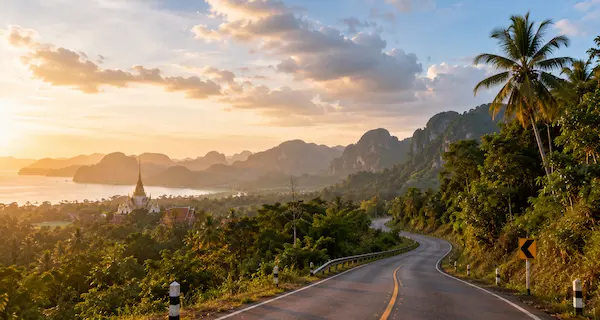
Jump to Thailand Guide Navigation ↓
Discovering Thailand Through Experience
Having lived in Bangkok, Chiang Mai, Mukdahan, Bang Lamung and now Patong, I have experienced how completely Thailand can change from one region to another. The landscapes, food, climate, pace of life and style of travel can feel remarkably different—and choosing the right part of the country can matter just as much as choosing Thailand itself.
Northern Thailand offers mountain scenery, historic temples and a slower experience, while Bangkok and Central Thailand combine city life with some of the country’s most important historic sites. The northeast provides a closer connection to regional food, rural communities and Khmer heritage, while the eastern and southern coasts offer very different combinations of beaches, islands, resorts and marine experiences.
That is why this Thailand travel guide does not try to present Thailand as one single type of holiday. It helps you compare the country’s regions and destinations, understand the experience each can offer and choose the places that best suit the journey you want to create.
Why Visit Thailand?
Thailand’s greatest appeal is the convenience of experiencing remarkable diversity within one holiday. A single journey can combine Bangkok’s food, culture and energy with ancient cities and temples, northern mountains, national parks, and beaches and islands along two different coastlines.
Established transport and tourism infrastructure make these very different experiences comparatively easy to connect. The essential reading below explores the attractions and experiences that can help you shape the Thailand holiday that is right for you.
Essential Thailand Reading
Why Visit Thailand?
We take a detailed look at why travellers choose Thailand—from its remarkable variety and ease of travel to its food, culture, landscapes and hospitality—and help you decide whether it is the right destination for your holiday.
What Are the Must-See Attractions in Thailand?
Explore Thailand’s iconic landmarks, spectacular natural wonders and unforgettable experiences that showcase the very best of the country.
Most Popular Beaches in Thailand
Discover Thailand’s most celebrated beaches, from lively coastal destinations to peaceful tropical escapes that continue to attract travellers from around the world.
Which Temples Should You Visit in Thailand?
Discover Thailand’s magnificent Buddhist temples, from ancient ruins and royal landmarks to remarkable contemporary masterpieces.
Most Popular Islands in Thailand
Discover Thailand’s most popular islands, each offering its own unique mix of tropical scenery, local culture and unforgettable travel experiences.
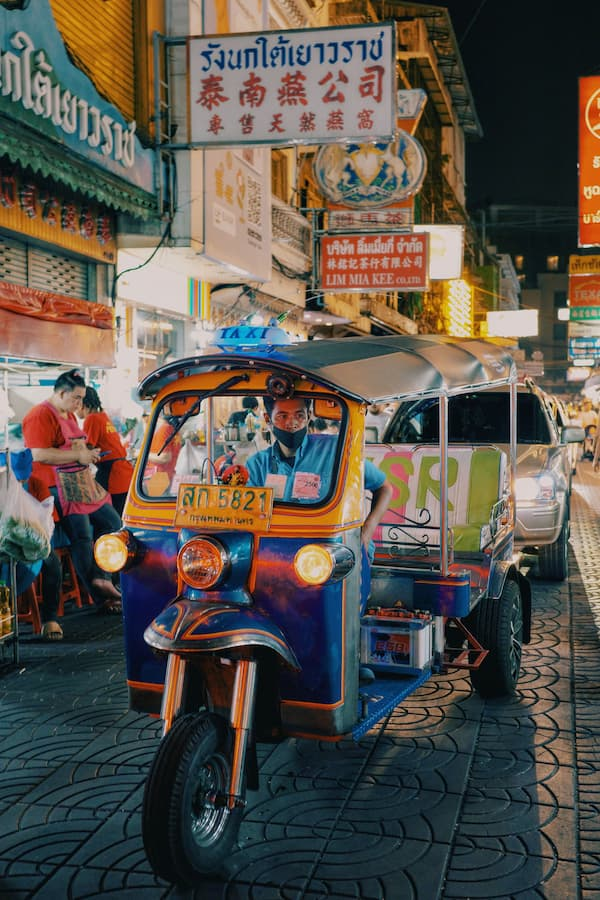
Why Travellers Choose Thailand
| Reason to visit | What Thailand offers | Examples |
|---|---|---|
| Variety within one journey | Cities, culture, history, mountains, national parks, beaches and islands can be combined within the same holiday. | Bangkok, Chiang Mai, Ayutthaya, Khao Sok and the southern islands |
| Established travel connections | Major gateways and extensive domestic transport make many popular regions comparatively straightforward to connect. | Domestic flights, trains, buses, ferries and local transfers |
| Distinctive food culture | Street stalls, local markets, family restaurants and contemporary dining reveal considerable regional variety. | Southern curries, Isaan food, northern dishes, seafood and familiar Thai classics |
| Beaches and islands | Travellers can choose between lively resorts, quieter coastal communities, marine adventures and relaxed island stays. | Phuket, Krabi, Koh Samui, Koh Lanta, Koh Tao and the Phi Phi Islands |
| Culture and history | Living Buddhist traditions, historic capitals, regional customs and major festivals remain part of everyday Thai identity. | Bangkok’s temples, Ayutthaya, Sukhothai, Songkran and Loi Krathong |
| Nature and wildlife | Thailand contains mountain landscapes, rainforest, waterfalls, caves and protected marine environments. Responsible wildlife experiences require careful selection. | Khao Sok, Doi Inthanon and Thailand’s terrestrial and marine national parks |
| Choice across different budgets | Accommodation, dining and activities are available across a wide price range, although costs vary significantly by destination and season. | Guesthouses, local restaurants, boutique hotels and luxury resorts |
Choosing Where to Go in Thailand
Thailand offers an exceptional range of destinations, from major cities and historic centres such as Bangkok, Chiang Mai and Ayutthaya to coastal destinations and islands including Phuket, Krabi, Koh Samui and Koh Chang. Each offers a different combination of culture, landscapes, attractions and travel experiences, so the right choice depends on the holiday you want to create.
Compare Thailand’s Regions
| Region | Choose This Region If… | Best Known For |
|---|---|---|
| Central Thailand | You want Bangkok, historic landmarks, major city experiences and convenient transport connections. | Royal landmarks, ancient capitals, markets, rivers and urban attractions |
| Northern Thailand | You prefer mountains, temples, cooler landscapes and traditional culture. | Chiang Mai, Chiang Rai, mountain scenery, historic temples and outdoor adventure |
| Northeastern Thailand | You want regional culture, distinctive cuisine, archaeological sites and fewer international tourists. | Khmer ruins, Mekong landscapes, festivals and authentic local experiences |
| Eastern Thailand | You want beaches and islands within relatively easy reach of Bangkok. | Pattaya, Koh Samet, Koh Chang, coastal escapes and short beach holidays |
| Southern Thailand | You want tropical beaches, islands, rainforest, limestone scenery and marine adventures. | Phuket, Krabi, Koh Samui, island hopping, national parks and diving |
To make Thailand’s many destinations easier to explore, we have organised them into two complementary discovery paths. Choose by region to compare Southern, Northern, Central, Eastern and Northeastern Thailand, or explore individual destinations when you already have somewhere particular in mind. Each regional section introduces its most important destinations, with complete travel guides for major visitor centres and detailed articles covering smaller cities, provinces and worthwhile excursions.
If you are still uncertain, the essential reading below provides deeper comparisons to help you decide where to begin.
Need Help Choosing Where to Go?
Where to Go in Thailand: Choosing the Right Region for Your Trip
Compare Southern, Northern, Central, Eastern and Northeastern Thailand to discover which region best matches your interests, travel style and holiday plans.
Most Popular Destinations in Thailand
Discover Thailand’s most visited and widely recognised destinations, from Bangkok and Chiang Mai to Phuket, Krabi, Koh Samui and Pattaya.
Best Places in Thailand for Different Types of Holiday
Find destinations suited to beaches, culture, food, nightlife, families, couples, nature, adventure and quieter escapes.
How to Combine Destinations in Thailand
Learn how to create a realistic multi-destination itinerary based on travel time, transport connections and the number of days you have available.
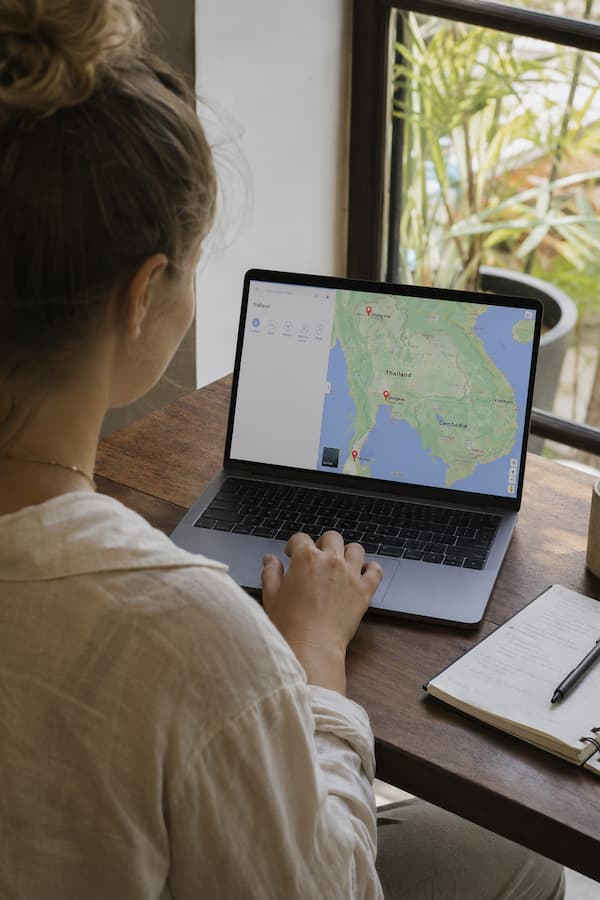
Central Thailand
Central Thailand brings together the energy of Bangkok, the ancient capital of Ayutthaya, the rivers and national parks of Kanchanaburi, and the relaxed coastline surrounding Hua Hin and Phetchaburi. Across the region, historic temples, royal palaces, traditional markets and communities shaped by the Chao Phraya River sit alongside Thailand’s largest city and most important transport hub.
For many international visitors, Central Thailand is both the gateway to the country and a rewarding destination in its own right. It is particularly well suited to travellers who want to combine city experiences with history, food, culture, nature and convenient excursions without travelling enormous distances.
Best for: First-time visitors, city breaks, temples, history, markets, accessible nature and multi-destination trips.
Explore Our Central Thailand Travel Guide
Plan your visit with our complete guide to Central Thailand, covering the region’s best destinations, attractions, experiences, accommodation, transport and practical travel advice.
Essential Central Thailand Reading
Where to Go in Central Thailand
Explore Bangkok, Ayutthaya, Kanchanaburi and other destinations to discover the region that best suits your interests.
Must-See Attractions in Central Thailand
Discover royal palaces, historic cities, cultural landmarks and many of Thailand’s most famous attractions.
Best Temples in Central Thailand
Explore magnificent royal temples, historic Buddhist sites and remarkable places of spiritual significance.
Making the Most of Your Central Thailand Holiday
Discover how to combine city life, history, culture and day trips into a rewarding Central Thailand itinerary.
Historical Places in Central Thailand
Explore ancient capitals, UNESCO-listed sites and the places that shaped Thailand’s fascinating history.
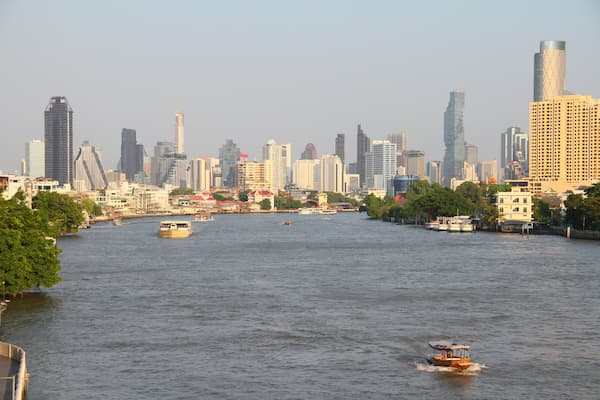
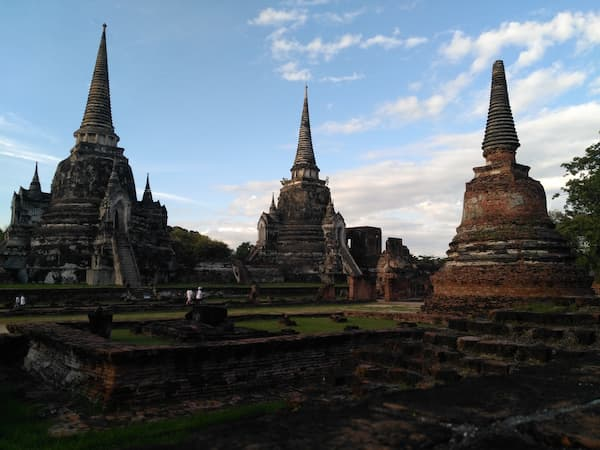
Explore Central Thailand by Destination
Central Thailand ranges from major cities and established holiday destinations to smaller historic centres, market communities and countryside escapes. Start with one of our complete travel guides or discover the region’s smaller cities, provinces and worthwhile excursions through our detailed destination articles.
Complete Central Thailand Travel Guides
Bangkok Travel Guide
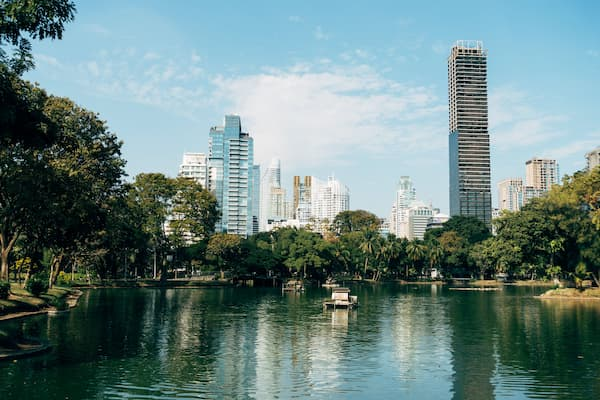
Discover Thailand’s capital through its riverside temples, historic districts, neighbourhoods, markets, food, nightlife and modern city experiences.
Ayutthaya Travel Guide
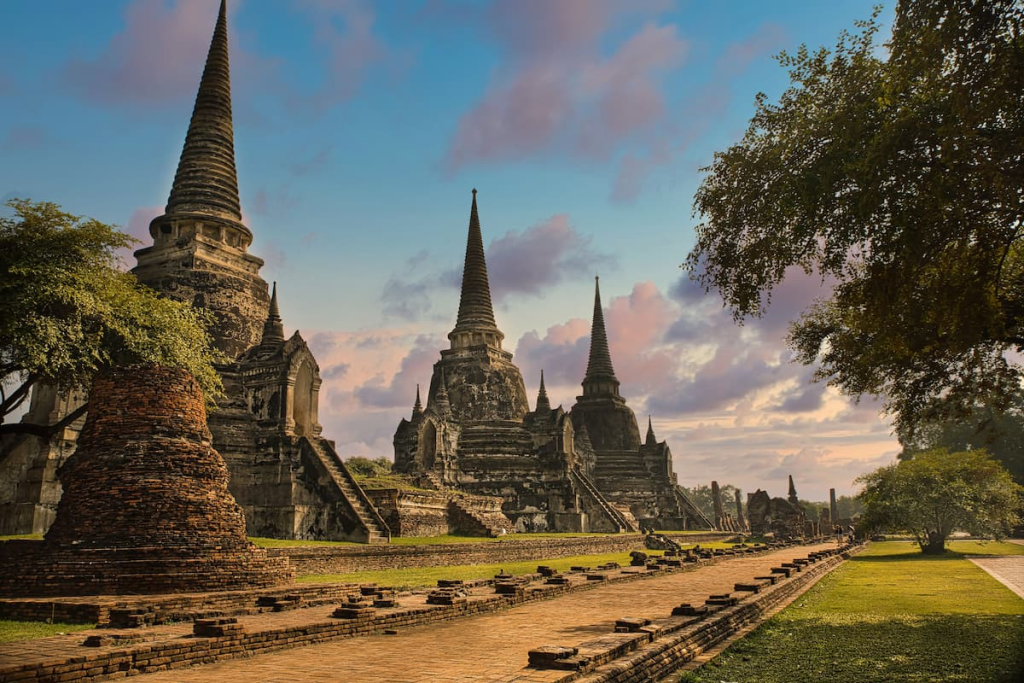
Explore Thailand’s former royal capital, including its UNESCO-listed temple ruins, river setting, local food and options for day trips or overnight stays.
Kanchanaburi Travel Guide
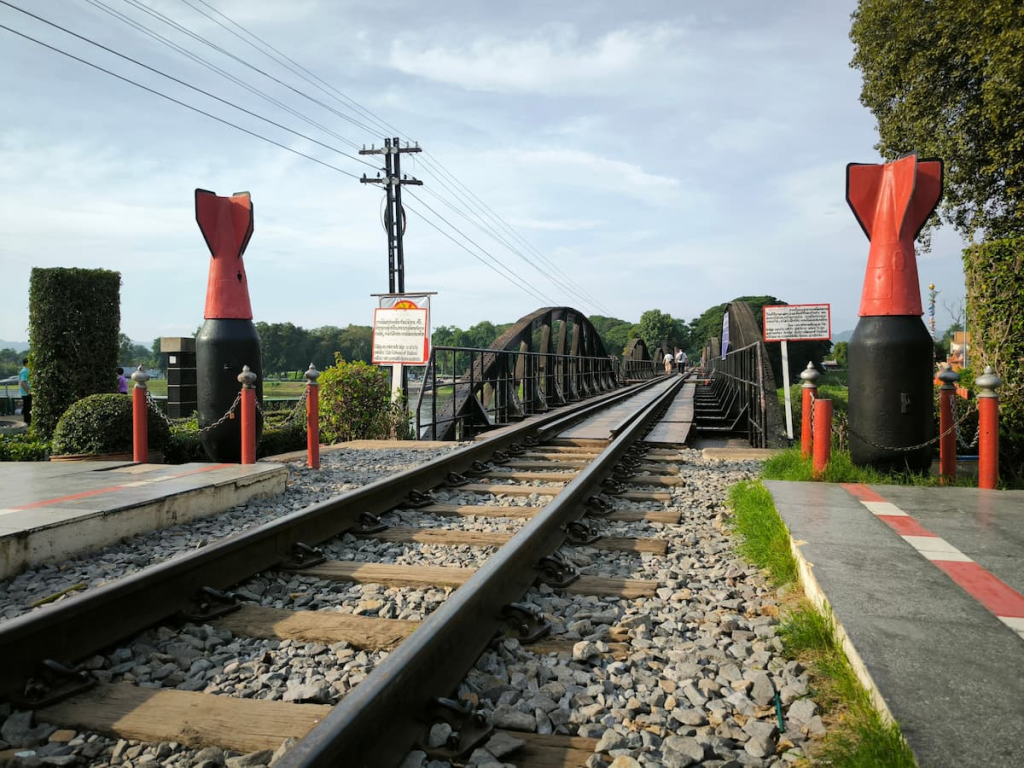
Discover wartime history, the River Kwai, waterfalls, national parks and memorable railway journeys through one of Central Thailand’s most varied provinces.
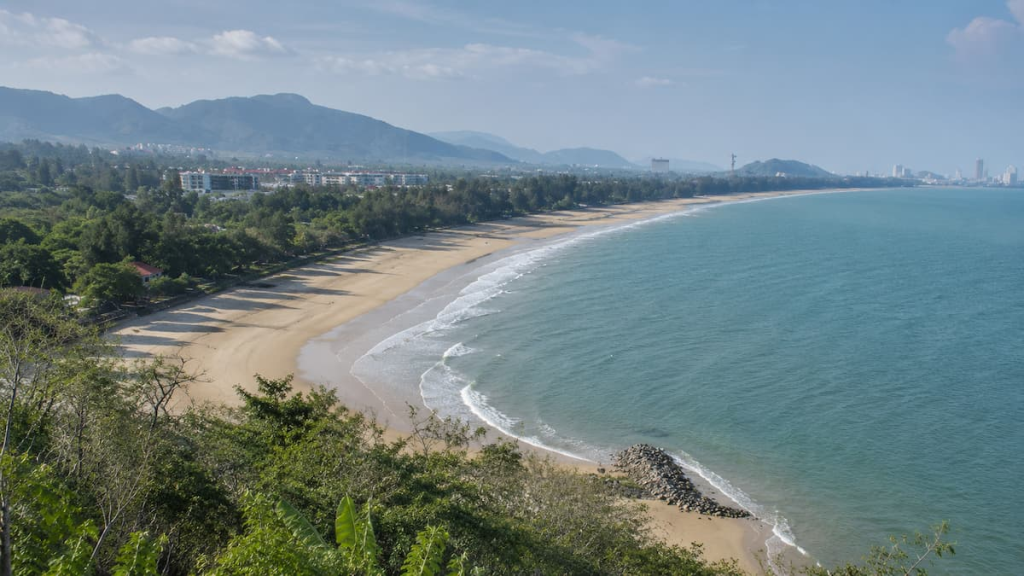
Hua Hin Travel Guide
Plan a coastal escape combining beaches, night markets, historic landmarks, family attractions and convenient trips into the surrounding countryside.
More Places to Explore in Central Thailand
Phetchaburi
Discover an historic city of temples, palaces and traditional food, with access to Cha-am, dramatic caves and the forests of Kaeng Krachan National Park.
Explore Phetchaburi
Lopburi
Explore an ancient city shaped by Khmer and Ayutthaya history, known for atmospheric ruins, important temples and its population of resident macaques.
Explore Lopburi
Nakhon Pathom
Visit the monumental Phra Pathom Chedi, explore royal heritage and discover an accessible cultural destination within easy reach of Bangkok.
Explore Nakhon Pathom
Samut Songkhram
Experience riverside Central Thailand through Amphawa Floating Market, Mae Klong Railway Market, canal communities and traditional local life.
Explore Samut Songkhram
Ratchaburi
Discover market communities, ceramics, contemporary arts, caves and rural landscapes in a province frequently overlooked by travellers heading west from Bangkok.
Explore Ratchaburi
Saraburi
Explore temples, seasonal sunflower fields, waterfalls and countryside landscapes in a province connecting the central plains with Thailand’s forested interior.
Explore Saraburi
Southern Thailand
Southern Thailand stretches between the Andaman Sea and the Gulf of Thailand, bringing together tropical islands, limestone coastlines, marine national parks, rainforest interiors and some of the country’s most established holiday destinations. Phuket, Krabi and Khao Lak anchor the Andaman coast, while Koh Samui and the surrounding islands offer a different experience across the peninsula.
Beyond its famous beaches, Southern Thailand rewards travellers with national parks, distinctive regional food, historic towns, temples, wildlife experiences and communities shaped by the sea. Its variety makes it equally suitable for a straightforward beach holiday or a longer journey combining islands, nature and local culture.
Best for: Beaches, islands, snorkelling, diving, national parks, coastal scenery, relaxation and outdoor adventures.
Explore Our Southern Thailand Travel Guide
Plan your visit with our complete guide to Southern Thailand, covering the region’s best destinations, islands, beaches, national parks, experiences, accommodation, transport and practical travel advice.
Essential Southern Thailand Reading
Where to Go in Southern Thailand
Explore Phuket, Krabi, Koh Samui, Khao Lak and other destinations to find the part of Southern Thailand that best suits your interests.
Must-See Attractions in Southern Thailand
Discover tropical islands, limestone landscapes, cultural landmarks and remarkable natural attractions across Thailand’s southern provinces.
Best Beaches in Southern Thailand
Explore celebrated beaches and quieter coastal escapes across the Andaman Sea and Gulf of Thailand.
Best Islands in Southern Thailand
Compare established holiday destinations and smaller tropical islands offering beaches, snorkelling, nature and peaceful surroundings.
Best National Parks in Southern Thailand
Compare seven distinctive national parks offering rainforests, waterfalls, diving, snorkelling, sea kayaking and remote island exploration.
Making the Most of Your Southern Thailand Holiday
Discover how to combine beaches, islands, national parks and cultural experiences into a rewarding Southern Thailand itinerary.
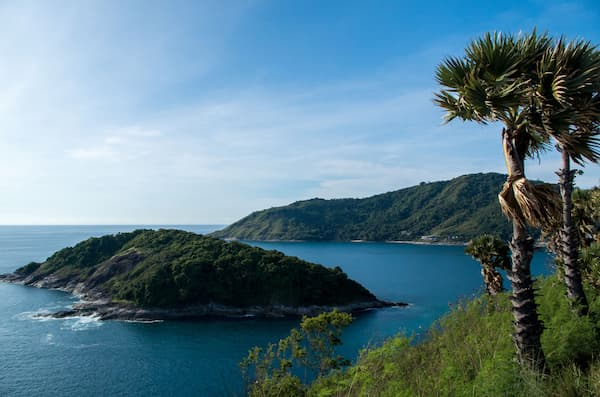
Explore Southern Thailand by Destination
Southern Thailand ranges from internationally recognised islands and established coastal resorts to rainforest communities, historic towns and quieter seaside escapes. Start with one of our complete travel guides or discover the region’s smaller islands, provinces and worthwhile excursions through our detailed destination articles.
Complete Southern Thailand Travel Guides
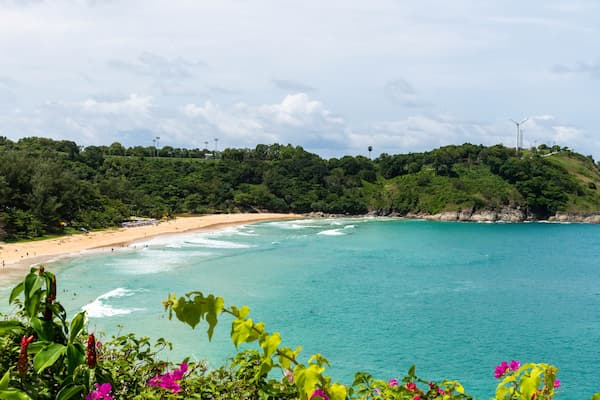
Phuket Travel Guide
Discover Thailand’s largest island through its beaches, coastal communities, historic Old Town, cultural attractions, nightlife and extensive range of holiday experiences.
Explore the travel guide →
Krabi Travel Guide
Explore dramatic limestone scenery, tropical islands and coastal destinations including Ao Nang and Railay, with opportunities for beaches, boat trips, climbing and nature experiences.
Explore the travel guide →
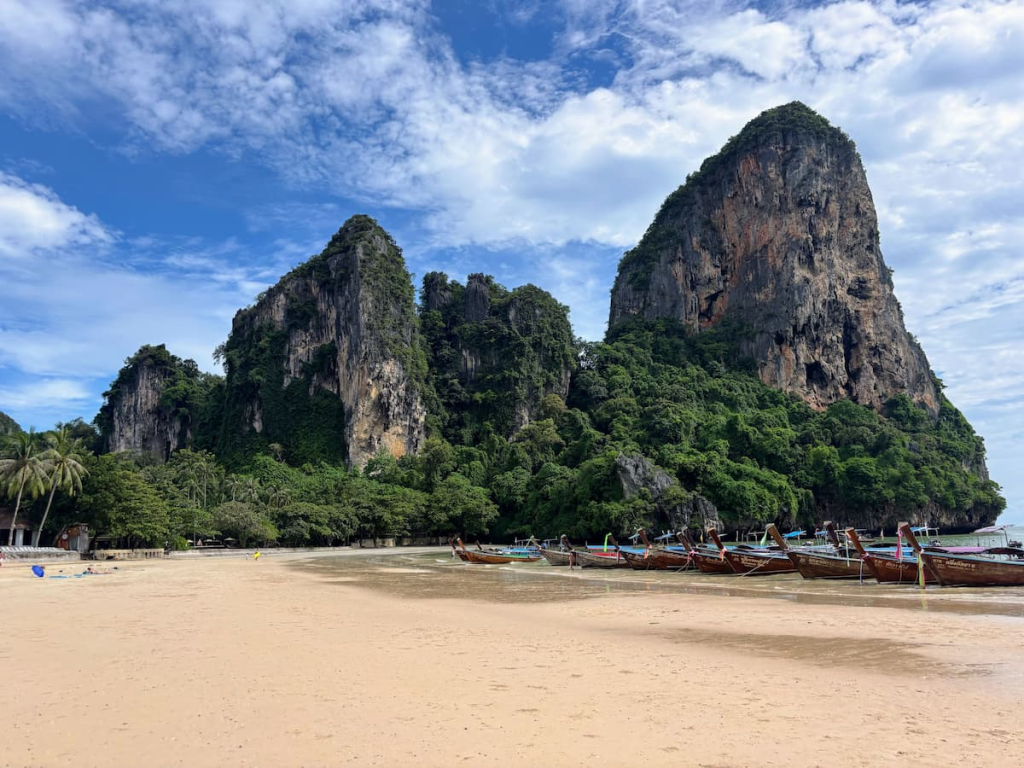
Koh Samui Travel Guide
Plan an island holiday combining beaches, resorts, temples, waterfalls, nightlife and convenient trips to neighbouring islands in the Gulf of Thailand.
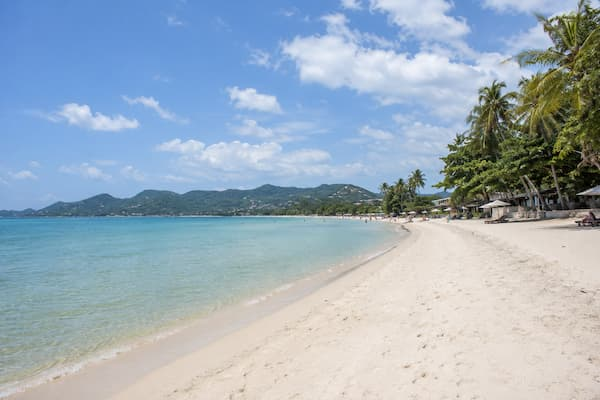
Khao Lak Travel Guide
Discover a relaxed stretch of the Andaman coast known for spacious beaches, national parks, family-friendly resorts and access to the Similan and Surin islands.
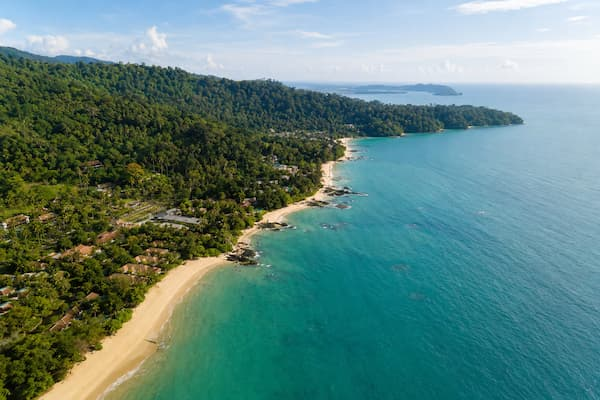
More Places to Explore in Southern Thailand
Koh Lanta
Experience a more relaxed island atmosphere through long beaches, coastal villages, national park landscapes and convenient boat connections to islands across the Andaman Sea.
Explore Koh Lanta →
Koh Lipe
Discover a compact island near Tarutao National Marine Park, known for clear water, coral reefs, walkable beaches and access to some of Thailand’s southernmost islands.
Explore Koh Lipe →
Khao Sok
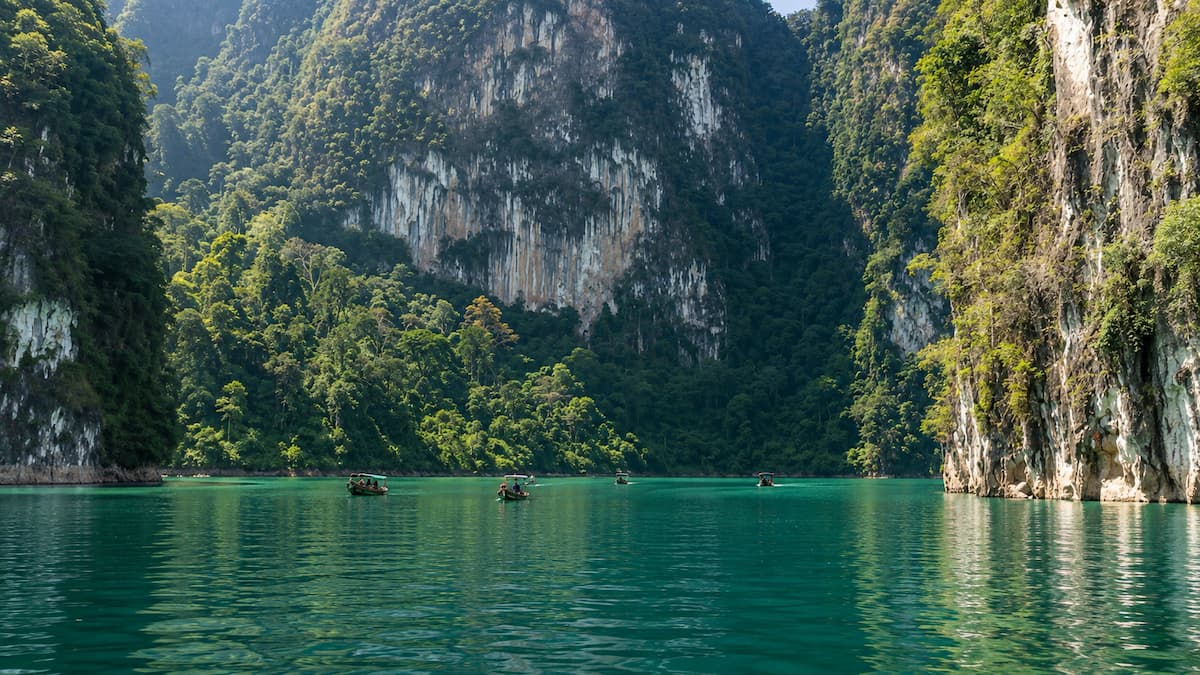
Explore ancient rainforest, limestone mountains, wildlife and the remarkable landscapes of Cheow Lan Lake in one of Southern Thailand’s most memorable national parks.
Explore Khao Sok →
Hat Yai
Experience Southern Thailand’s largest urban centre through its markets, food, shopping and cultural diversity, while using the city as a gateway to Songkhla and the deeper south.
Explore Hat Yai →
Trang
Discover historic town streets, distinctive regional food, limestone landscapes and access to quieter Andaman islands including Koh Mook, Koh Kradan and Koh Ngai.
Explore Trang →
Khanom
Enjoy a quieter Gulf coastline of long beaches, forested hills, caves and boat trips associated with the area’s population of pink dolphins.
Explore Khanom →
Northern Thailand
Northern Thailand brings together historic cities, mountain landscapes, forested national parks and the distinctive traditions of the former Lanna Kingdom. Chiang Mai is the region’s principal cultural and travel hub, while Chiang Rai, Pai and Sukhothai offer very different combinations of temples, ancient history, countryside and outdoor experiences.
Beyond its best-known destinations, Northern Thailand rewards travellers with mist-covered viewpoints, scenic road journeys, traditional communities, regional food and quieter historic towns including Nan, Lampang and Phrae. Its variety makes it equally suitable for a cultural city break, a journey through Thailand’s ancient past or a longer adventure into the mountains.
Best for: Temples, history, mountain scenery, national parks, regional food, festivals, scenic road trips and cultural experiences.
Essential Northern Thailand Reading
Where to Go in Northern Thailand
Explore Chiang Mai, Chiang Rai, Pai, Sukhothai and other destinations to find the part of Northern Thailand that best suits your interests.
Must-See Attractions in Northern Thailand
Discover ancient cities, remarkable temples, mountain landscapes and cultural landmarks across Thailand’s northern provinces.
Best Temples in Northern Thailand
Explore historic Lanna temples, sacred mountaintop sites and some of Thailand’s most distinctive contemporary religious landmarks.
Best National Parks in Northern Thailand
Discover forested mountains, waterfalls, hiking trails, wildlife and spectacular viewpoints throughout Northern Thailand.
Best Mountain Experiences in Northern Thailand
Explore mist-covered peaks, scenic roads, highland communities and memorable sunrise viewpoints across the region.
Best Festivals in Northern Thailand
Experience Northern Thailand’s distinctive celebrations, from lantern-filled nights and traditional New Year festivities to local cultural events.
Making the Most of Your Northern Thailand Holiday
Discover how to combine historic cities, temples, national parks and mountain destinations into a rewarding Northern Thailand itinerary.
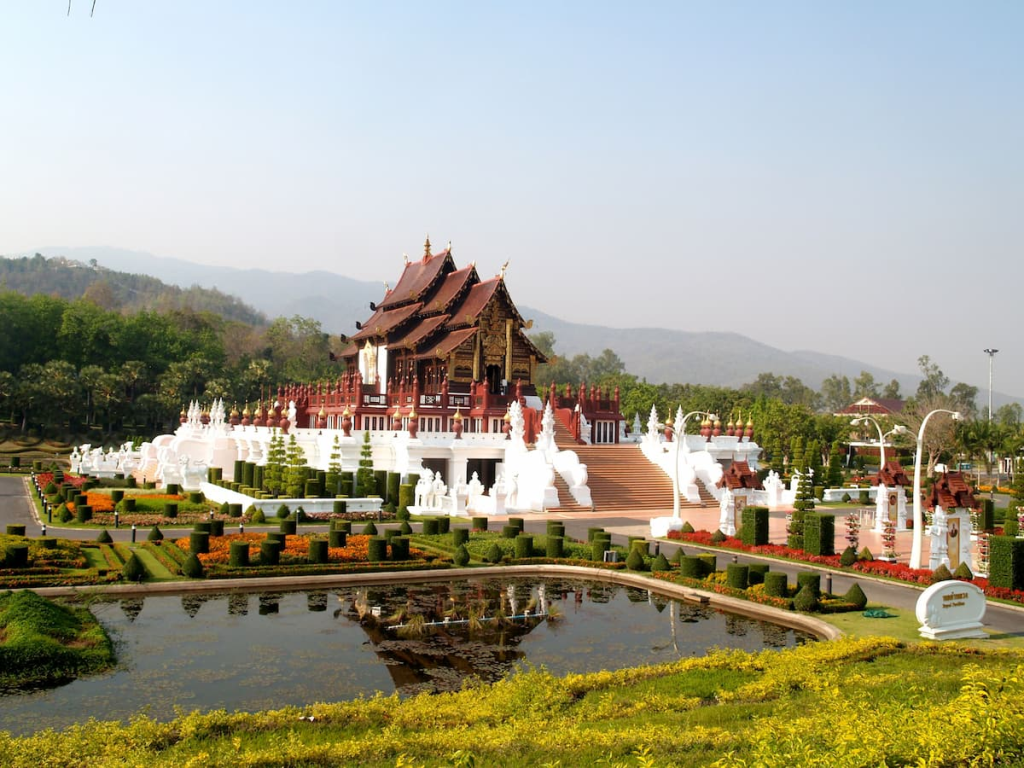
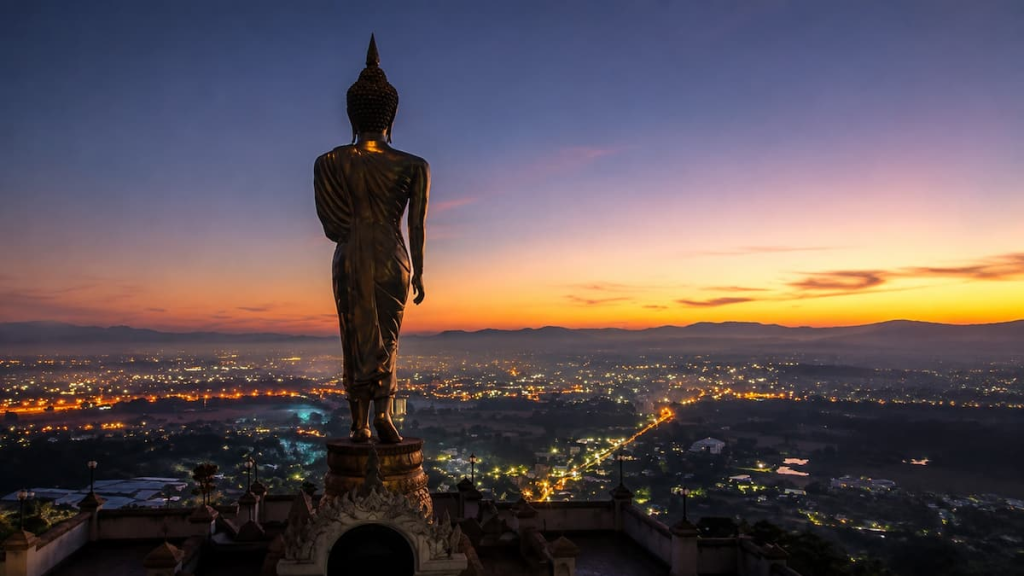
Explore Northern Thailand by Destination
Northern Thailand ranges from internationally recognised cultural centres and ancient capitals to mountain towns, historic communities and quieter provincial destinations. Start with one of our complete travel guides or discover the region’s smaller cities, scenic highlands and worthwhile excursions through our detailed destination articles.
Complete Northern Thailand Travel Guides
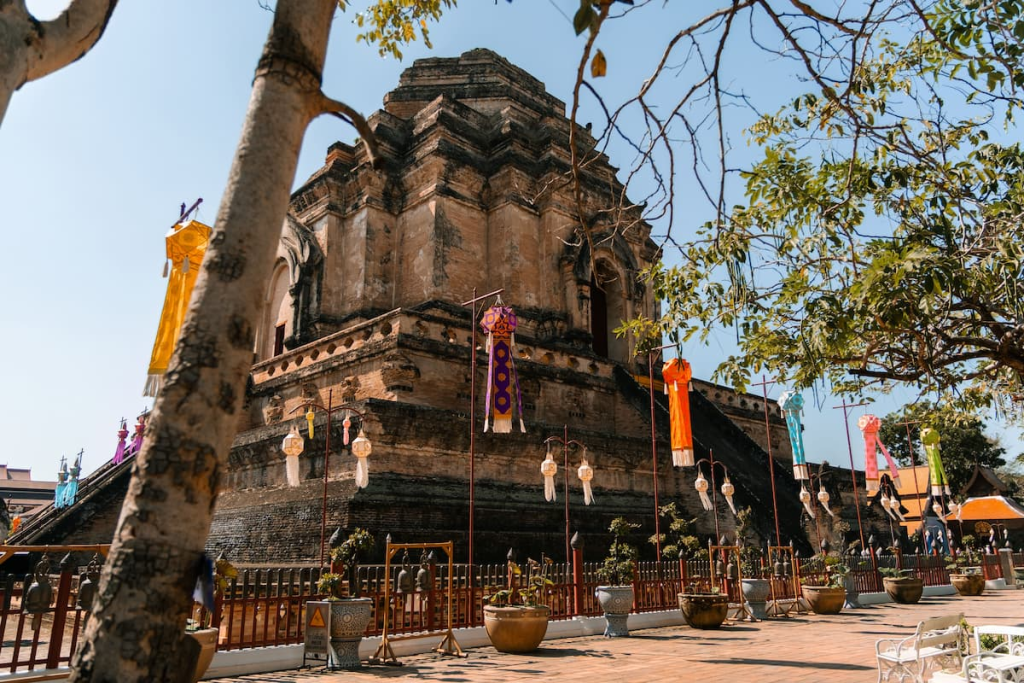
Chiang Mai Travel Guide
Discover Northern Thailand’s principal cultural centre through its historic Old City, remarkable temples, regional food, traditional markets, mountain landscapes and extensive range of cultural and outdoor experiences.
Chiang Rai Travel Guide
Explore distinctive temples, mountain scenery, creative landmarks and culturally diverse communities while using Chiang Rai as a gateway to the Golden Triangle and Thailand’s far north.
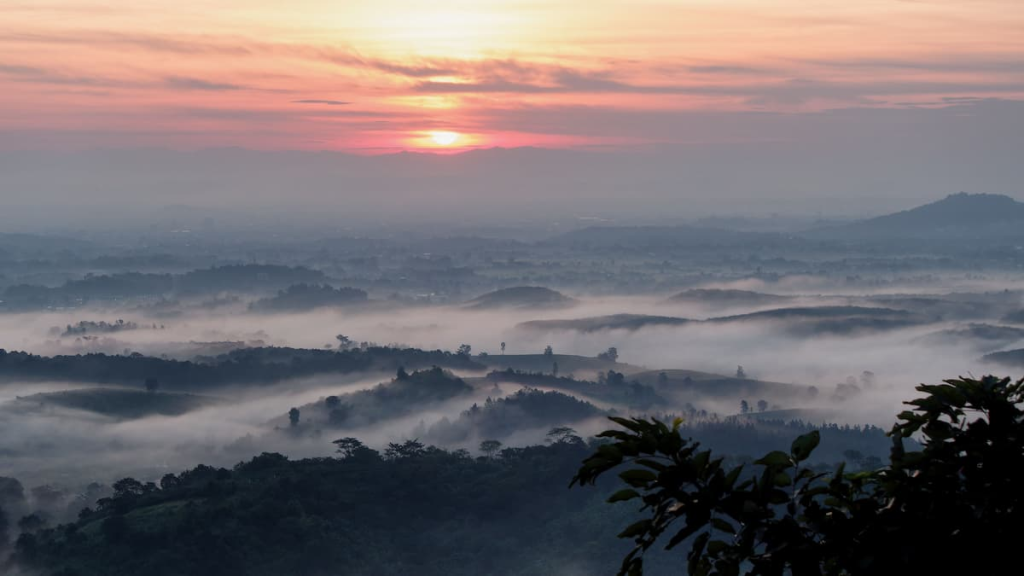
Pai Travel Guide
Experience a relaxed mountain town known for its scenic countryside, waterfalls, hot springs, canyon landscapes, lively walking street and easy access to the wider Mae Hong Son region.

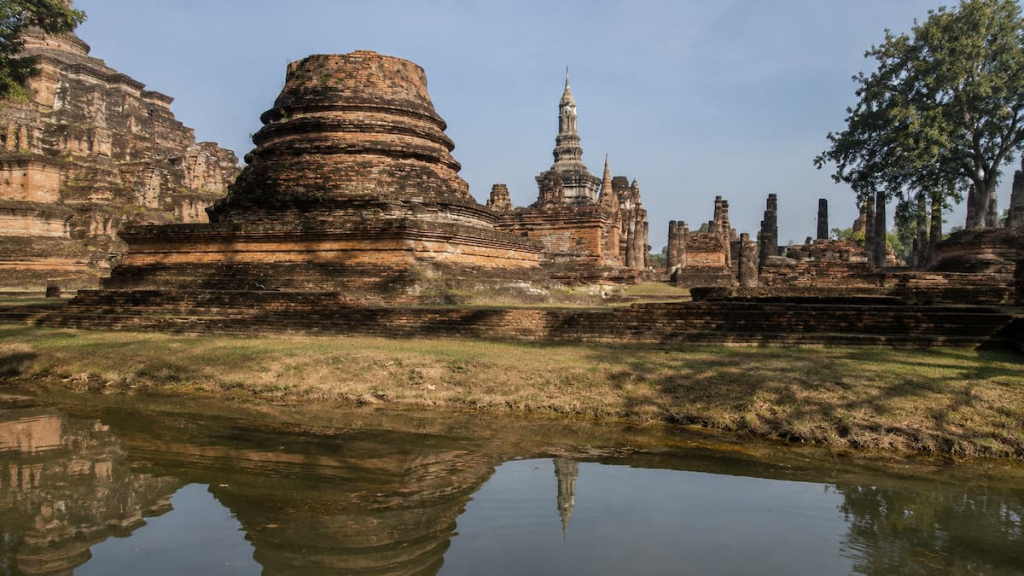
Sukhothai Travel Guide
Explore the temples and monuments of Thailand’s first major kingdom, cycle through its UNESCO-listed historical park and discover the quieter cultural landscapes surrounding the ancient capital.
More Places to Explore in Northern Thailand
Mae Hong Son
Discover a remote mountain town shaped by Shan culture, ornate temples and forested surroundings, while exploring scenic roads, viewpoints and communities along the Mae Hong Son Loop.
Nan
Experience a quieter northern city known for its distinctive temples, preserved cultural traditions, local art and access to mountain roads, national parks and the scenic landscapes around Pua and Bo Kluea.
Lampang
Discover a historic riverside city known for traditional Lanna architecture, teak temples, ceramics and horse-drawn carriages, with access to cultural landmarks and national parks across the surrounding province.
Phrae
Explore a peaceful historic town of teak houses, traditional temples and distinctive local culture, surrounded by forested landscapes and unusual natural formations including Phae Mueang Phi.
Phitsanulok
Discover an important regional city known for the revered Phra Buddha Chinnarat, riverside life and local food, while using it as a convenient gateway to Sukhothai and the national parks of Lower Northern Thailand.
Doi Mae Salong
Explore a mountain community shaped by Chinese heritage, tea cultivation and surrounding highland cultures, with scenic roads, hillside plantations and expansive views across northern Chiang Rai Province.
Northeastern Thailand
Northeastern Thailand, widely known as Isan, stretches across a vast plateau bordered by the Mekong River and shaped by distinctive food, language, music and cultural traditions. Nakhon Ratchasima provides a natural gateway to the region, while Khon Kaen, Udon Thani and Ubon Ratchathani serve as important centres for exploring its historic sites, national parks and riverside communities.
Beyond its major cities, Isan rewards travellers with ancient Khmer temples, remarkable archaeological sites, dramatic rock formations, colourful festivals and relaxed towns overlooking the Mekong. The region offers a deeper encounter with everyday Thai life while providing enough cultural, historical and natural variety for a rewarding journey of its own.
Best for: Regional food, Khmer heritage, festivals, archaeology, Mekong scenery, national parks, local culture and journeys beyond Thailand’s busiest tourist routes.
Essential Northeastern Thailand Reading
Where to Go in Northeastern Thailand
Explore Nakhon Ratchasima, Udon Thani, Khon Kaen, Ubon Ratchathani and other destinations to find the part of Isan that best suits your interests.
Must-See Attractions in Northeastern Thailand
Discover archaeological sites, remarkable temples, Mekong landscapes and unusual natural attractions across Thailand’s northeastern provinces.
Best Ancient Khmer Sites in Northeastern Thailand
Explore monumental sanctuaries, historic ruins and archaeological landscapes revealing Isan’s connections with the ancient Khmer Empire.
Best National Parks in Northeastern Thailand
Discover forested plateaus, sandstone cliffs, waterfalls, hiking trails and expansive viewpoints across the region.
Best Festivals in Northeastern Thailand
Experience candle processions, masked celebrations, rocket festivals and distinctive traditions shaped by Isan’s communities and beliefs.
Best Food Experiences in Northeastern Thailand
Discover the bold flavours of Isan through grilled meats, spicy salads, sticky rice, fermented ingredients and distinctive regional specialities.
Making the Most of Your Northeastern Thailand Holiday
Learn how to combine cities, historic sites, national parks and Mekong destinations into a rewarding journey through Northeastern Thailand.
Explore Northeastern Thailand by Destination
Northeastern Thailand ranges from major regional cities and ancient Khmer centres to national parks, archaeological landscapes and relaxed communities beside the Mekong River. Start with one of our complete travel guides or discover Isan’s historic towns, border destinations and remarkable natural attractions through our detailed destination articles.
Complete Northeastern Thailand Travel Guides
Nakhon Ratchasima Travel Guide
Discover the gateway to Northeastern Thailand through Korat’s city landmarks, regional food and cultural attractions, with access to Khao Yai National Park, Phimai Historical Park and the wider province’s Khmer heritage and natural landscapes.
Udon Thani Travel Guide
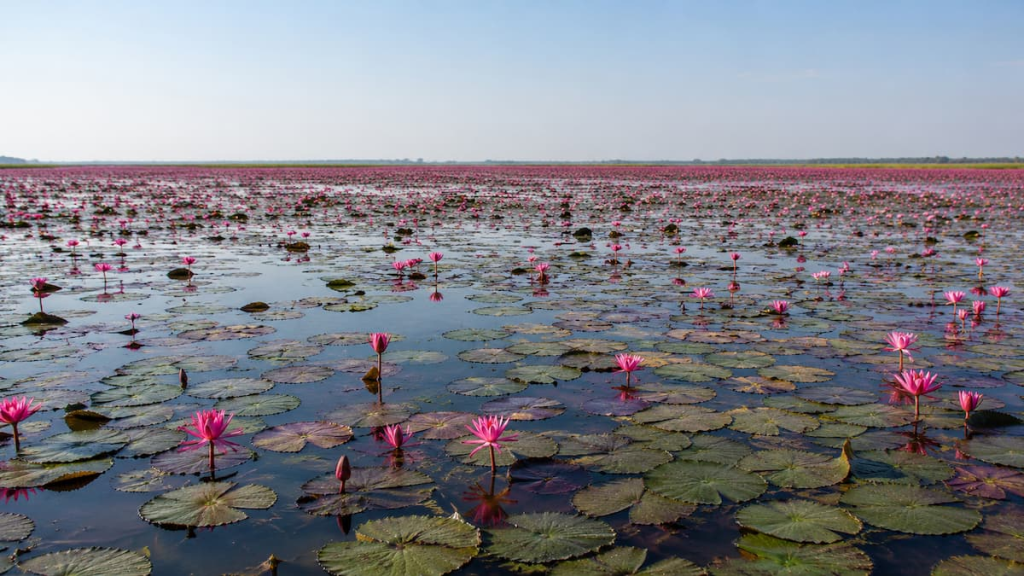
Explore a major northeastern travel hub through its temples, markets, food and lakeside spaces, with convenient access to the Red Lotus Lake, Ban Chiang archaeological site, Nong Khai and the Mekong River.
Khon Kaen Travel Guide
Discover one of Isan’s most dynamic cities through its temples, markets, museums and distinctive regional food, with access to silk-producing communities, dinosaur sites and natural attractions across the surrounding province.
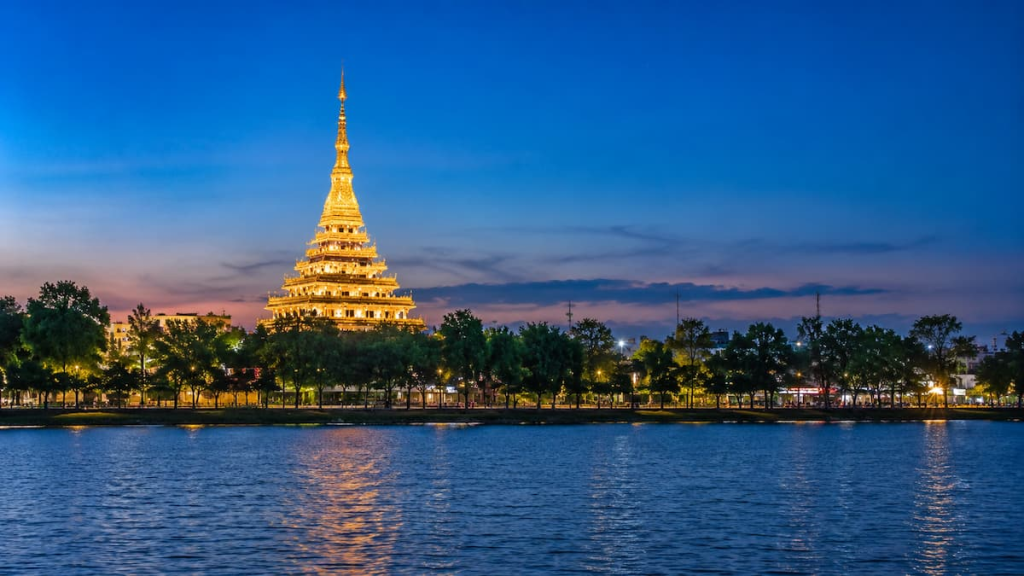
Ubon Ratchathani Travel Guide
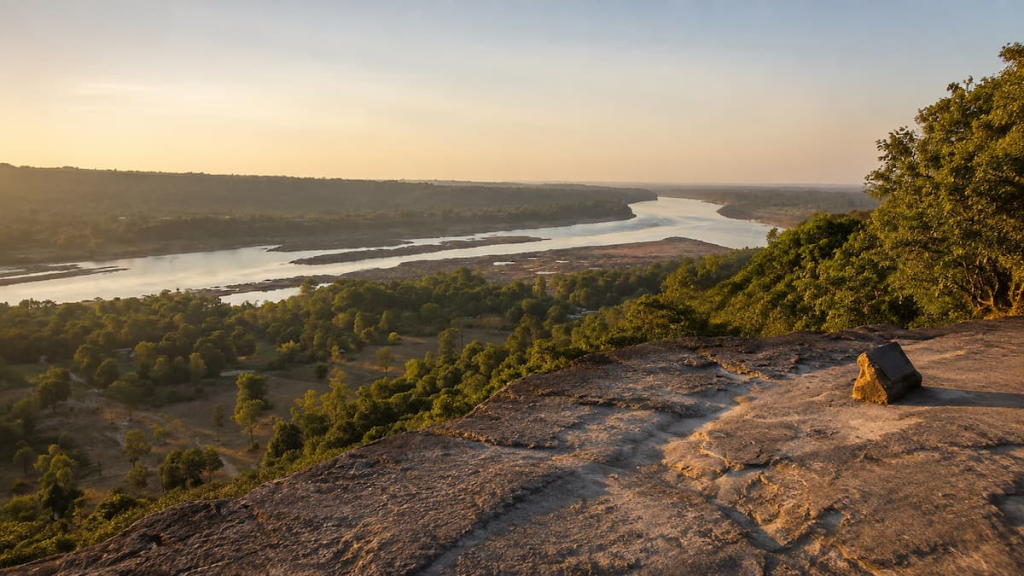
Explore a culturally rich northeastern city known for its temples, regional food and celebrated Candle Festival, while using Ubon Ratchathani as a gateway to Pha Taem National Park, Khong Chiam and the Mekong landscapes of eastern Isan.
More Places to Explore in Northeastern Thailand
Buriram
Discover remarkable Khmer heritage at Phanom Rung and Muang Tam, alongside a modern provincial capital known for football, international motorsport and distinctive local culture.
Loei and Chiang Khan
Explore Loei’s mountain landscapes, national parks and distinctive festivals before experiencing Chiang Khan’s preserved wooden streets, relaxed atmosphere and scenic position beside the Mekong River.
Nong Khai
Experience a relaxed Mekong riverfront, colourful temples, local markets and the extraordinary sculptures of Sala Keoku while using Nong Khai as a convenient gateway to neighbouring Laos.
Nakhon Phanom
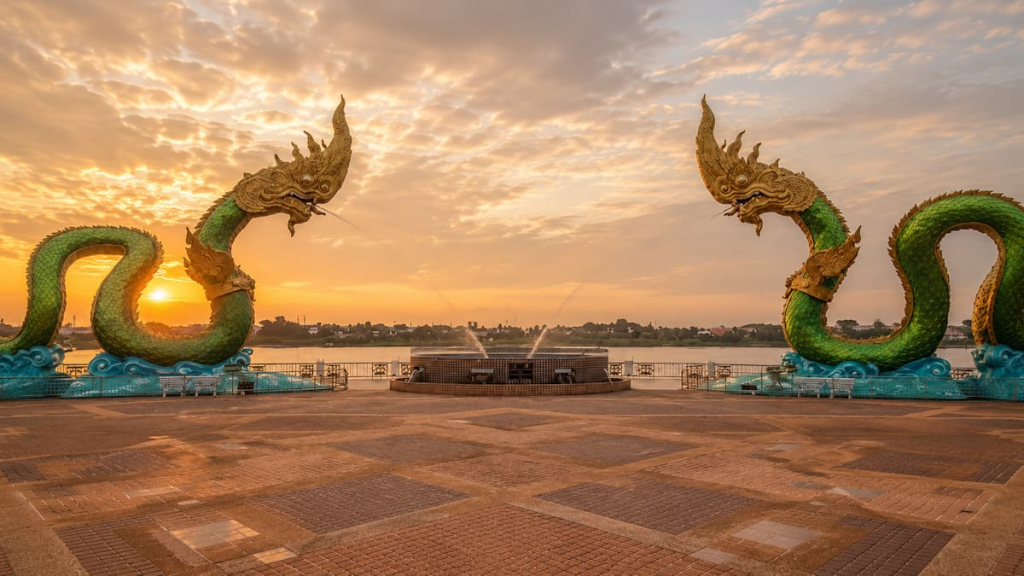
Discover an atmospheric Mekong riverfront, revered temples, historic architecture and distinctive Vietnamese influences, accompanied by expansive views across the river towards the mountains of Laos.
Surin
Explore a province known for Khmer heritage, traditional silk weaving and distinctive local cultures, with access to ancient sanctuaries, rural communities and long-established traditions associated with elephants.
Bueng Kan
Discover one of Isan’s quieter Mekong provinces through the dramatic cliffside walkways of Wat Phu Tok, the panoramic Three Whale Rock formation and forested landscapes near Thailand’s border with Laos.
Eastern Thailand
Eastern Thailand extends from the coastal destinations of Chonburi and Rayong to the forested islands and Cambodian borderlands of Trat. Pattaya is the region’s largest and most established holiday centre, while Koh Samet and Koh Chang offer contrasting island experiences within convenient reach of Bangkok and Thailand’s eastern seaboard.
Beyond its resorts and beaches, Eastern Thailand rewards travellers with marine national parks, waterfalls, fruit-growing provinces, historic waterfront communities and some of the country’s finest seafood. Its combination of accessibility and variety makes it equally suitable for a short coastal escape or a longer journey connecting mainland destinations with quieter tropical islands.
Best for: Beaches, islands, seafood, nightlife, marine activities, waterfalls, coastal road trips and convenient escapes from Bangkok.
Essential Eastern Thailand Reading
Where to Go in Eastern Thailand
Explore Pattaya, Koh Chang, Koh Samet, Rayong and other destinations to find the part of Eastern Thailand that best suits your interests.
Must-See Attractions in Eastern Thailand
Discover tropical islands, coastal viewpoints, cultural landmarks and remarkable natural attractions across Thailand’s eastern provinces.
Best Beaches in Eastern Thailand
Explore lively resort beaches, convenient mainland escapes and quieter stretches of sand across the eastern Gulf of Thailand.
Best Islands in Eastern Thailand
Compare established island destinations and smaller tropical escapes offering beaches, snorkelling, nature and relaxed surroundings.
Best National Parks in Eastern Thailand
Discover forested islands, waterfalls, coastal landscapes and wildlife within the region’s terrestrial and marine national parks.
Best Food Experiences in Eastern Thailand
Experience fresh seafood, tropical fruit, local markets and distinctive dishes shaped by the region’s coastal communities and cultural influences.
Making the Most of Your Eastern Thailand Holiday
Learn how to combine coastal resorts, islands, cultural destinations and natural attractions into a rewarding Eastern Thailand itinerary.
Explore Eastern Thailand by Destination
Eastern Thailand ranges from internationally recognised resorts and easily reached islands to historic towns, fruit-growing provinces and quieter communities along the Gulf of Thailand. Start with one of our complete travel guides or discover the region’s smaller islands, coastal destinations and worthwhile excursions through our detailed destination articles.
Complete Eastern Thailand Travel Guides
Pattaya Travel Guide
Discover one of Thailand’s most established coastal destinations through its beaches, islands, cultural attractions, entertainment, nightlife and extensive range of family-friendly and outdoor experiences.
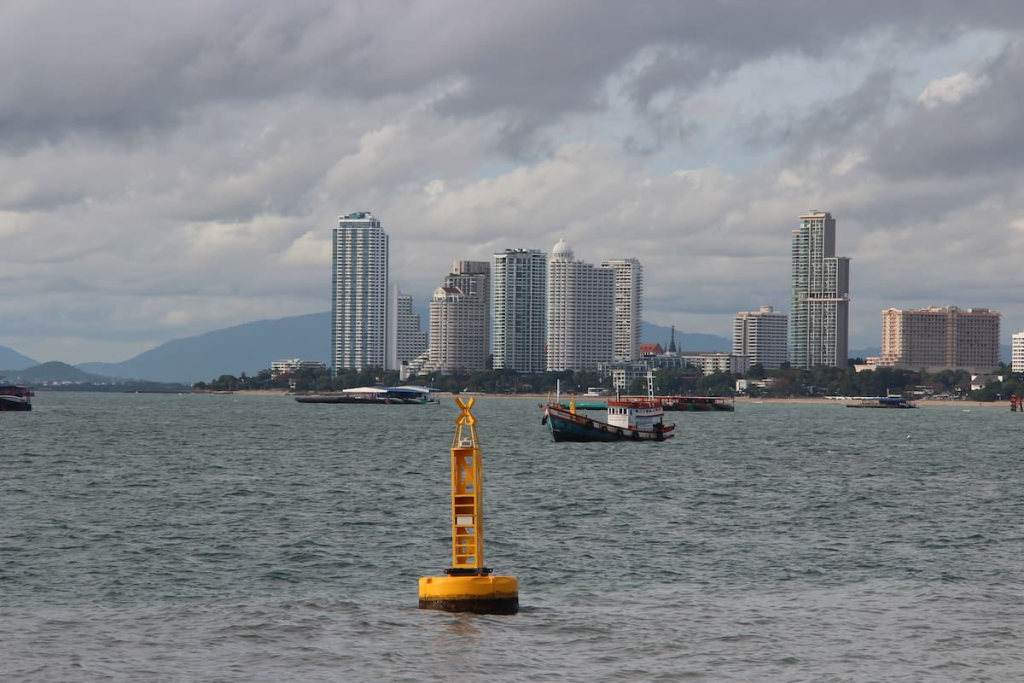
Koh Chang Travel Guide
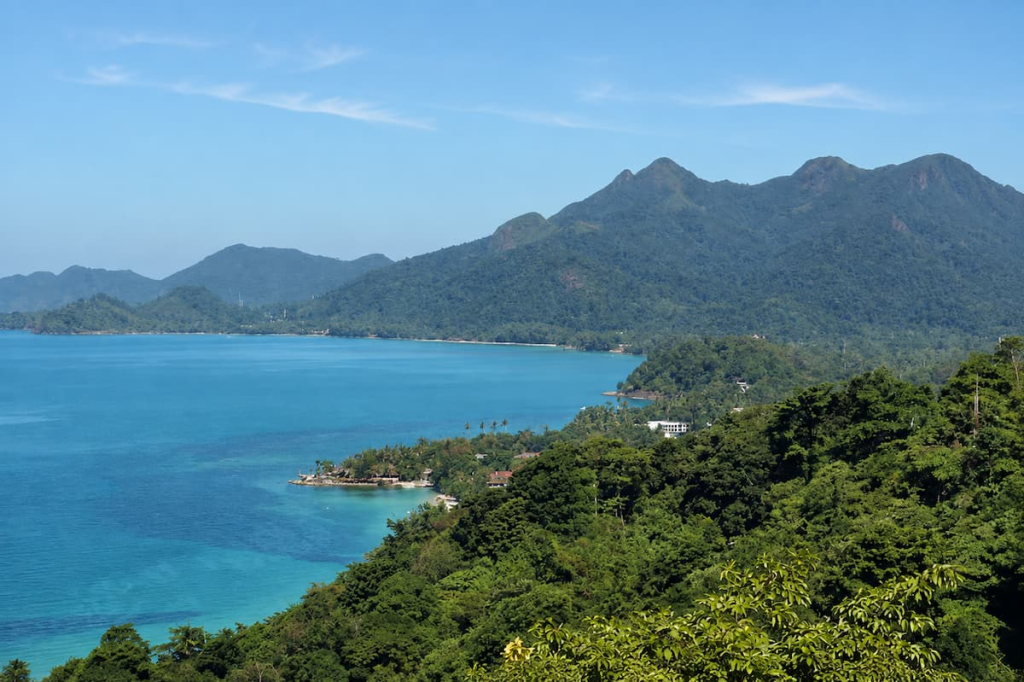
Explore a forested island of beaches, waterfalls, fishing communities and national park landscapes, with opportunities for snorkelling, diving, hiking and boat trips to the surrounding Trat archipelago.
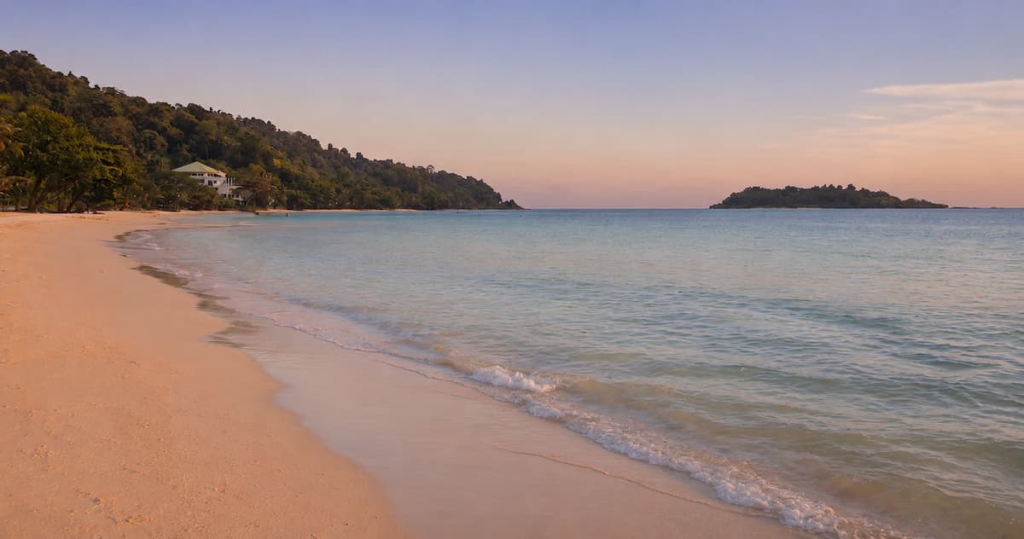
Koh Samet Travel Guide
Plan an accessible island escape combining white-sand beaches, beachfront accommodation, water activities and relaxed evenings, with different coastal areas suited to lively weekends, romantic stays and quieter holidays.

Rayong Travel Guide
Discover a varied stretch of Thailand’s eastern coastline through mainland beaches, fishing communities, fresh seafood and tropical fruit, with access to Rayong city, Ban Phe and the coastal landscapes of Khao Laem Ya.
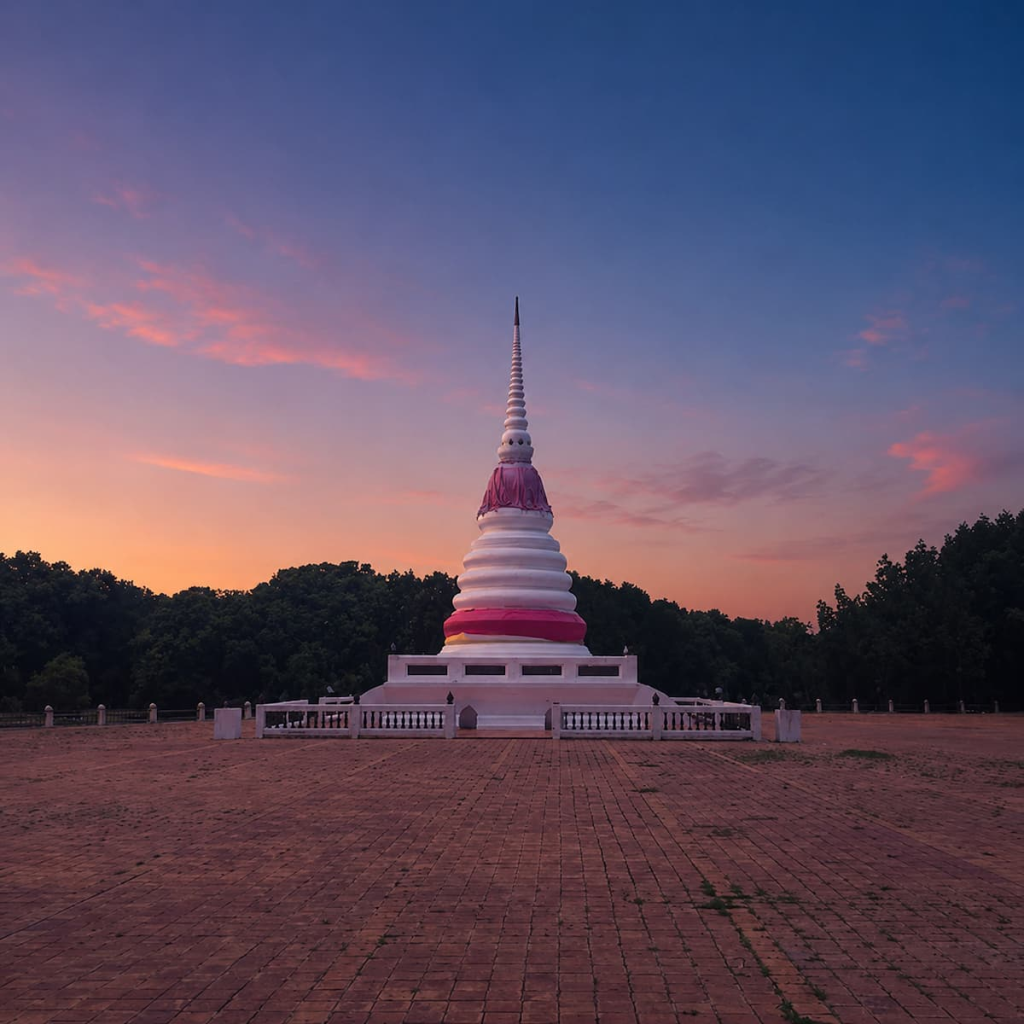
More Places to Explore in Eastern Thailand
Chanthaburi
Explore a characterful riverside city known for its historic waterfront, cathedral, gemstone trade and distinctive local food, with access to fruit orchards, waterfalls and the scenic Chanthaburi coastline.
Koh Kood
Discover a peaceful tropical island known for clear water, attractive beaches, forested interiors and waterfalls, with relaxed resorts and a slower atmosphere than Eastern Thailand’s more developed islands.
Koh Mak
Experience a compact and peaceful island of quiet beaches, coconut plantations and scenic coastal roads, well suited to cycling, relaxed exploration and an unhurried tropical escape.
Koh Larn
Escape from Pattaya to a compact offshore island known for clear water, popular beaches, viewpoints and water activities, making it suitable for either a day trip or a short overnight stay.
Bang Saen
Experience a lively Thai seaside destination known for its long beachfront, seafood restaurants and relaxed local atmosphere, conveniently positioned between Bangkok and Pattaya.
Trat
Discover a relaxed provincial town with historic streets, traditional markets and distinctive local food while using Trat as the principal mainland gateway to Koh Chang, Koh Kood and Koh Mak.
Things to Do in Thailand
The best things to do in Thailand depend less on completing a list of famous attractions and more on choosing the experiences that suit the holiday you want. One journey might concentrate on temples and ancient cities, while another could be shaped by regional food, national parks, tropical islands or festivals that remain deeply connected to everyday Thai life.
To make Thailand’s enormous variety manageable, we have organised its experiences into seven broad categories. Within each one, we identify three must-see experiences that we believe best represent that side of the country if time and budget were not limiting factors. These are not intended as definitive rankings, but as carefully researched starting points for building a rewarding holiday.
We have also included a Travel With Insight favourite in each category, drawing on first-hand experience to explain why certain moments have remained especially memorable.
Cultural Experiences
Thailand’s culture is encountered through far more than its most famous temples. Royal traditions, Buddhist beliefs, ancient kingdoms and strong regional identities remain visible in architecture, festivals, markets, craftsmanship and everyday community life. Experiencing several different cultural centres reveals how these influences have shaped the country rather than presenting Thai culture as one uniform tradition.
Three Must-See Cultural Experiences
Experience Bangkok’s Royal and Buddhist Heritage
Explore the Grand Palace and Wat Phra Kaew before visiting Wat Pho, crossing the Chao Phraya River to Wat Arun and observing the religious traditions that remain part of daily life.
Trace Thailand’s History Through Sukhothai and Ayutthaya
Walk or cycle among the remains of Thailand’s most important former capitals to understand how successive kingdoms shaped the country’s art, architecture, religion and national identity.
Discover Living Lanna Culture in Chiang Mai
Experience Old City temples, Wat Phra That Doi Suthep, traditional crafts and local markets in the former Lanna capital, where a distinctive northern identity remains visible throughout the modern city.
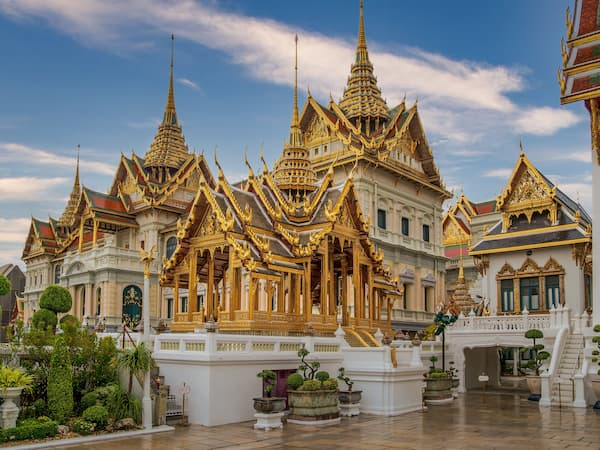
Travel With Insight Favourite Experience: Ayutthaya at Sunset
During one visit to Ayutthaya, I booked dinner at a riverside restaurant that included a late-afternoon boat tour. The timing transformed the experience. As the boat followed the waterways surrounding the historic island, the sun began to fall behind Ayutthaya’s brick temples and ancient ruins.
We stepped ashore to walk through riverside temple grounds as daylight faded before returning to the restaurant for dinner. The sunset reflected across the river with the ruins behind it, creating a scene that felt almost timeless. My photography skills at that point failed to capture just how beautiful it was, so I do not have an image that does the moment justice. Nevertheless, it remains one of my strongest and most beautiful memories of Thailand.
Food and Market Experiences
Food is woven into everyday life throughout Thailand, from early-morning markets and roadside stalls to family restaurants and contemporary dining rooms. Exploring beyond familiar dishes reveals strong regional identities shaped by local ingredients, climate, history and neighbouring cultures. The most rewarding food experiences combine eating with markets, communities and an understanding of where each dish originated.
Three Must-See Food Experiences
Explore Bangkok’s Street Food and Markets
Experience the extraordinary range of Thai food available across Bangkok’s markets and neighbourhoods, from morning produce stalls and specialist vendors to the evening street-food atmosphere of Chinatown.
Taste Thailand’s Regional Cuisines Where They Originated
Compare Northern dishes in Chiang Mai, the spicy and herbaceous food of Isan, Southern Thailand’s seafood and curries, and the balanced flavours and historical influences of Central Thai cuisine.
Visit a Local Market and Learn to Cook Thai Food
Join a market-led cooking experience to identify unfamiliar herbs, spices and fresh ingredients before learning how flavour, texture and balance are created in several traditional Thai dishes.
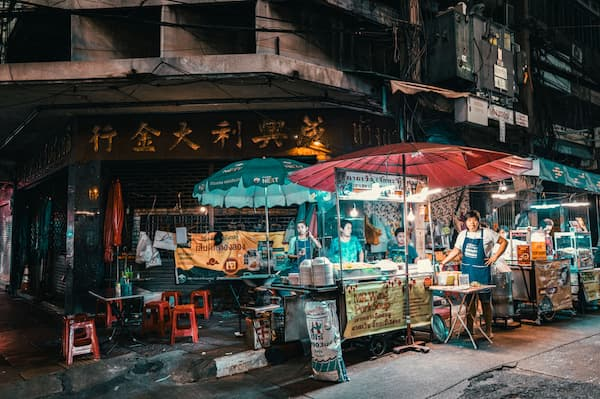
Travel With Insight Favourite Experience: My First Khao Soi in Chiang Mai
My first taste of khao soi came in Chiang Mai, which has since become one of my favourite places in Northern Thailand. I had slept late and went looking for a late breakfast or early lunch at Khao Soi Khun Yai, an unassuming open-air restaurant tucked between Wat Kuan Kama and Wat Rajamontean near the northern side of the Old City.
The restaurant frequently attracts a queue, but the hunger gods were on my side that day and I was able to walk straight in. The bowl was extraordinary: a rich, deeply flavoured curry broth, soft noodles underneath and fried noodles on top that remained just crunchy enough as they absorbed the soup. It was my introduction not only to khao soi, but to how distinctive Northern Thai food can be.
Khao Soi Khun Yai generally opens from 10:00 a.m. until 2:00 p.m., Monday to Saturday, although the day’s broth can sell out earlier. Arriving before the lunchtime rush remains the safest approach.
Beach, Island and Marine Experiences
Thailand’s coastlines offer far more than places to swim and sunbathe. Limestone islands, coral reefs, marine national parks and established beach communities create experiences ranging from relaxed resort holidays to active days spent kayaking, snorkelling or travelling between islands. The Andaman Sea and Gulf of Thailand also provide different scenery, seasons and styles of coastal travel.
Three Must-See Coastal Experiences
Island-Hop Through the Andaman Sea’s Limestone Landscapes
Travel by long-tail boat or speedboat through the dramatic islands, sheltered lagoons and towering limestone formations around Phuket, Phang Nga Bay, Krabi and the Phi Phi Islands.
Explore Thailand’s Underwater World
Snorkel or dive among coral reefs and tropical marine life around Koh Tao, the Similan and Surin islands, or other protected areas across the Andaman Sea and Gulf of Thailand.
Spend Time Living at an Island’s Natural Pace
Stay long enough to experience more than one beach, enjoy the quieter mornings and evenings, and discover how the atmosphere differs between developed islands and smaller, slower alternatives.
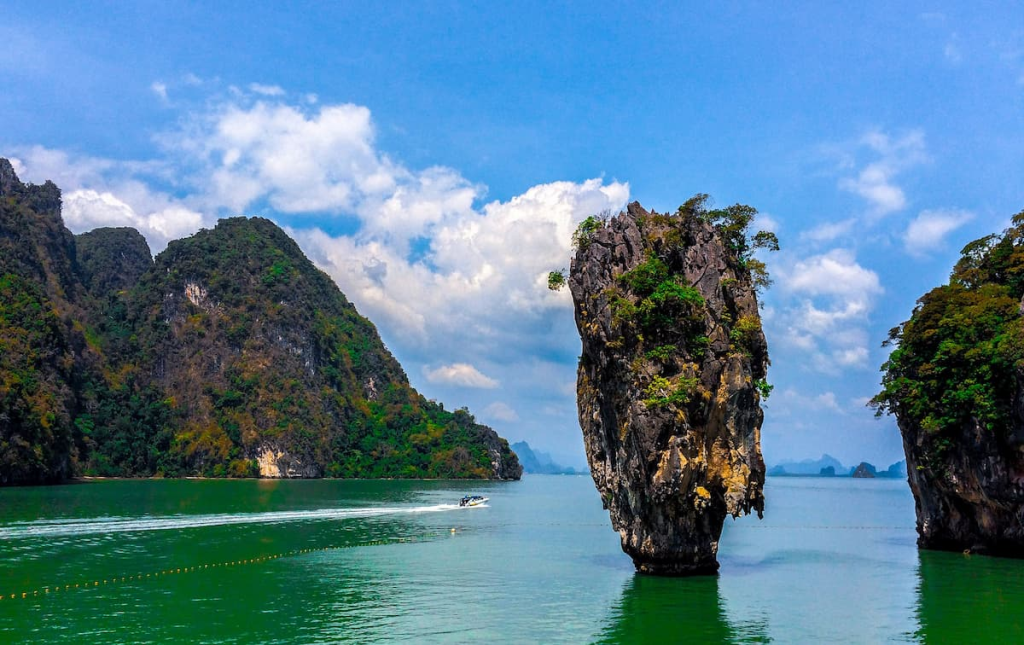
Travel With Insight Favourite Experience: Two Nights on Phi Phi
Choosing one favourite coastal experience in Thailand is extremely difficult. I have been fortunate enough to explore coastal regions across the country, from early adventures around Trang to spending months on Koh Samui and living in Phuket for the past three years. No single beach, island or boat trip comfortably stands above every other memory.
If forced to choose, however, I would return to a two-night stay on Phi Phi. I travelled across by ferry during the quieter season, with reasonably calm seas providing plenty of opportunities to photograph and enjoy the scenery along the way. Staying overnight allowed time to walk to the viewpoint, experience the island’s remarkably energetic nightlife, watch some of the best fire shows I have seen in Thailand and discover that riding a mechanical bull becomes considerably more challenging after a few beers.
The highlight was hiring a private long-tail boat with friends, viewing Maya Bay from the water and snorkelling around the coastline. I would rate the Similan and Surin islands more highly for snorkelling alone, but this memory stands out just as much for the friends who shared it as for Phi Phi’s extraordinary beauty. Its popularity creates undeniable crowding, but the experience can still be genuinely remarkable.
National Park and Wild Landscape Experiences
Thailand’s protected landscapes extend from ancient rainforest and limestone lakes to wildlife-rich forests, high mountains and marine environments. National parks provide opportunities to hike, watch wildlife, visit waterfalls, explore caves and spend nights surrounded by nature. Conditions and accessibility vary by season, making the landscape itself an important part of planning each experience.
Three Must-See Nature Experiences
Stay Among the Rainforest Landscapes of Khao Sok
Travel by boat across Cheow Lan Lake, pass towering limestone formations and spend a night in floating accommodation surrounded by rainforest in one of Southern Thailand’s most memorable landscapes.
Search for Wildlife in Khao Yai National Park
Explore Thailand’s first national park with an experienced guide for opportunities to encounter gibbons, hornbills, deer and wild elephants among forests, grasslands and waterfalls.
Experience Northern Thailand’s Highest Mountains
Explore Doi Inthanon’s cooler forests, waterfalls, viewpoints and walking trails while discovering how elevation transforms the scenery and climate of Northern Thailand.
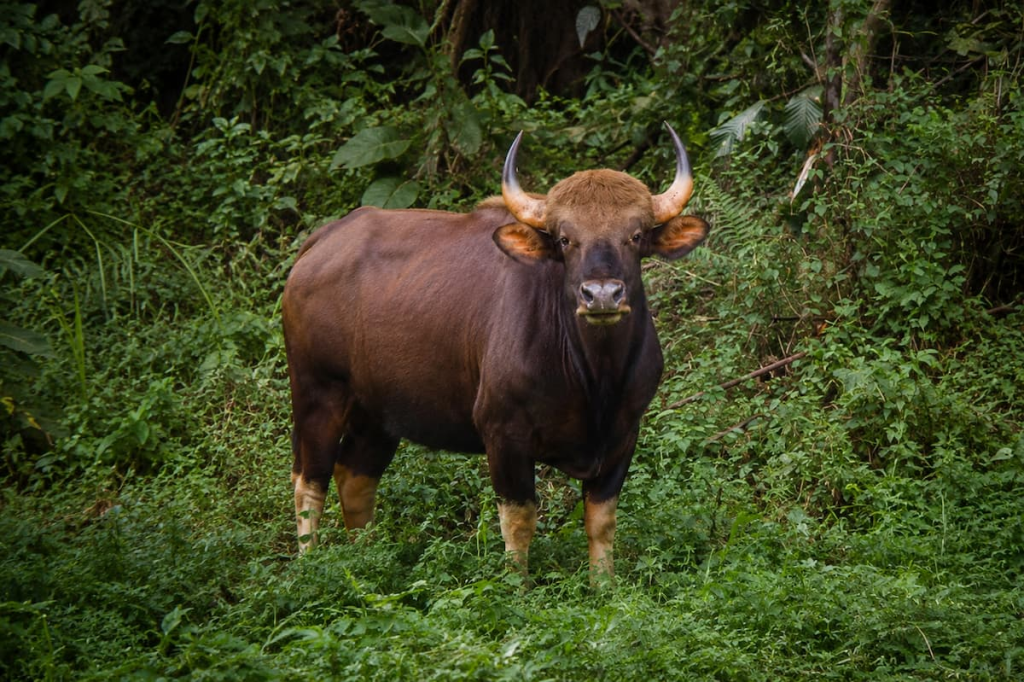
Travel With Insight Favourite Experience: Slowing Down in Khao Sok
I have zip-lined through forests, hiked trails, driven ATVs across very different landscapes, photographed waterfalls and swum in lakes throughout Thailand. Yet the nature experience that comes to mind most strongly was one of my slowest.
While driving from Phuket to Bangkok, I stopped at Khao Sok without a rushed itinerary. One planned night became two in a beautifully designed self-contained cabin set back from the village and surrounded by forest. The restaurant area sat close to the Sok River, where I could listen to the water, watch travellers drift past on rubber tubes and simply enjoy the peace.
A boat journey across Cheow Lan Lake was equally memorable. Limestone karsts rose almost lazily from the water, and the scale and stillness of the landscape made the journey feel remarkably peaceful. I did not see any elephants, but I was fortunate enough to see an enormous gaur—the wild bovine represented in Thailand’s original Krating Daeng branding, which later inspired the international Red Bull name.
Near Khao Sok village, I also explored Wat Tham Phanthurat, where a cave sits behind the principal Buddha image and a steep, ladder-like climb leads higher into the surrounding limestone landscape.
Floating through ancient rainforest and limestone scenery shaped across immense stretches of geological time produced the same feeling as looking into a completely black night sky: a reminder of how small we are and how briefly we occupy this landscape.
City and Nightlife Experiences
Thailand’s cities change character throughout the day. Temples, markets and working neighbourhoods give way to illuminated streets, rooftop venues, live music, night markets and entertainment districts after sunset. Nightlife is not limited to bars and clubs; it can mean eating late, following the river, exploring a walking street or simply watching a city become more energetic as evening arrives.
Three Must-See City Experiences
Experience Bangkok from the River to the Rooftops
Follow the Chao Phraya River, explore Chinatown after dark and finish the evening above Bangkok’s extraordinary skyline at a rooftop venue or within one of its creative nightlife districts.
Explore Chiang Mai After Sunset
Experience a gentler form of city nightlife through walking-street markets, riverside dining, live music, local bars and the evening atmosphere surrounding the Old City.
Discover Thailand’s Coastal Entertainment Centres
Experience the intensity and variety of Patong or Pattaya after dark, where night markets, restaurants, live music, beach bars, clubs and adult-oriented entertainment exist within the same destination.

Travel With Insight Favourite Experience: Patong After Dark
My favourite nights in Thailand are often the slowest: playing pool with friends, sitting in a thatched hut beside a lake listening to music, or sharing conversation and a game of cards inside someone’s shophouse. I have also experienced extraordinary nightclubs in Bangkok and Phuket and very different atmospheres at Thailand’s beach clubs.
However, Patong after dark is something I believe visitors should experience at least once, whether they become involved in the nightlife or simply walk through and observe it. Patong is arguably Thailand’s most concentrated nightlife destination, and it can be every bit as vibrant, hectic and unpredictable as its reputation suggests.
There is an undeniable adult component, accompanied by legitimate concerns about exploitation that should not be dismissed. However, reducing Patong entirely to that industry overlooks its many other layers. Within a remarkably compact area are internationally recognised nightclubs, beach clubs, live music, karaoke, night markets, late-night restaurants and quieter places to sit beside the beach with friends. Even nighttime go-karting is available a short distance away.
I have generally felt safe exploring Patong at night, although visitors should still use ordinary judgement and remain aware of their surroundings. Its appeal is not that everyone will enjoy every part of it; it is the extraordinary concentration of different experiences and people sharing the same small coastal town after dark.
Festival and Local Celebration Experiences
Thailand’s festivals bring religious beliefs, seasonal traditions and regional identities into public life through processions, music, food and community participation. Some transform the entire country, while others belong to one province or district. Many follow lunar calendars, so travellers should confirm dates carefully, reserve accommodation early and remember that these remain meaningful traditions rather than performances created solely for visitors.
Three Must-See Festival Experiences
Experience Songkran’s Different Traditions
Celebrate the Thai New Year through exuberant water festivities while also discovering its quieter traditions of temple visits, family reunions, merit-making, cleansing and showing respect to elders.
See Loi Krathong and Yi Peng Illuminate the Night
Watch candlelit krathongs drift across Thailand’s waterways and experience Northern Thailand’s separate Yi Peng traditions, where lanterns, temple ceremonies and illuminated streets transform Chiang Mai.
Witness Phi Ta Khon in Dan Sai
Travel to Loei for one of Thailand’s most distinctive regional celebrations, where elaborate ghost masks, dancing, music and Buddhist traditions come together during the wider Bun Luang festival.
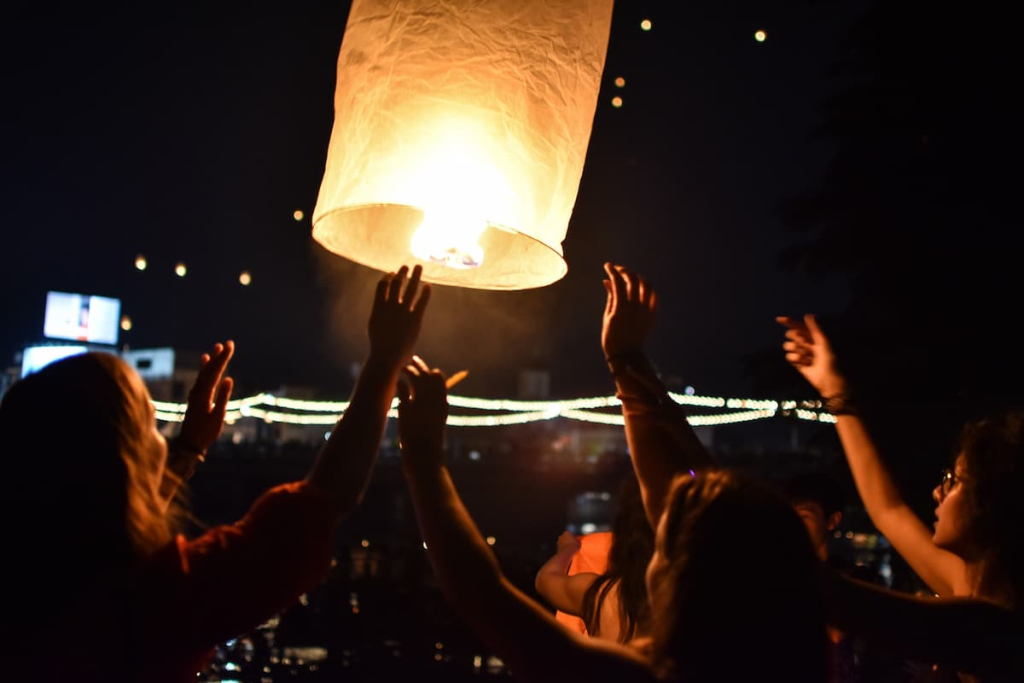
Travel With Insight Favourite Experiences: Yi Peng and Songkran
There is no honest way for me to choose only one favourite Thai festival. Yi Peng fully deserves its reputation, but it does not stand above the many other celebrations that have given me extraordinary memories.
My first Yi Peng was in Chiang Mai more than a decade ago. Seeing hundreds of lanterns rise into the darkness produced a sense of awe that I still find difficult to describe. A lantern-filled sky is breathtaking, but it is the shared atmosphere—the anticipation, silence, excitement and spiritual meaning—that continues to give me goosebumps.
Yi Peng and Loi Krathong frequently coincide in Chiang Mai, although they are separate traditions. Yi Peng is rooted in Northern Thailand’s Lanna culture and connects lantern releases with merit-making and letting go of misfortune and negative thoughts. Loi Krathong centres on floating decorated offerings upon the water, expressing gratitude and asking forgiveness from Phra Mae Khongkha, the water goddess associated with the Hindu Ganga.
Songkran is equally unforgettable. It can become the most extraordinary water fight imaginable, but beneath that energy are traditions of cleansing away misfortune, respecting elders, visiting temples and welcoming the Thai New Year with renewed intentions. Whether you encounter a gentler rural celebration or the full intensity of Chiang Mai or Patong, participate rather than merely watching—but do so respectfully.
If visiting Chiang Mai around November, combining authorised Yi Peng celebrations with Loi Krathong is an experience I strongly recommend.
Wellness and Relaxation Experiences
Wellbeing in Thailand can take many forms, from traditional massage and herbal therapies to meditation, natural hot springs and restorative stays surrounded by mountains, rainforest or sea. Some experiences are closely connected to Buddhist practice and traditional Thai healthcare, while others combine this heritage with contemporary spa treatments, healthy food and peaceful natural settings.
Three Must-See Wellness and Relaxation Experiences
Experience Traditional Nuad Thai Massage
Discover a practice recognised as part of Thailand’s traditional healthcare heritage, using assisted stretching, rhythmic pressure and controlled movement to encourage relaxation and physical balance.
Spend Time at a Buddhist Meditation Retreat
Step away from everyday distractions through seated and walking meditation, mindful routines and simple temple life, whether joining a short introductory programme or committing to a more immersive retreat.
Reconnect Through Nature and Traditional Thai Healing
Slow down at a retreat or peaceful destination combining natural surroundings with experiences such as herbal treatments, mineral hot springs, nourishing food and unhurried time beside the forest, mountains or sea.
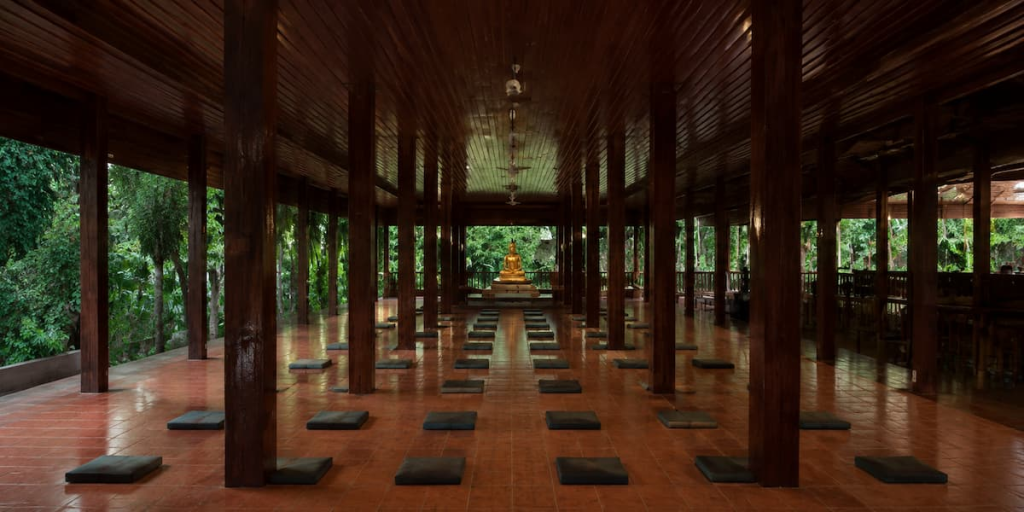
Travel With Insight Favourite Experience: Four Days at Wat Pa Tam Wua
Some years ago, I spent four days at Wat Pa Tam Wua, a working Thai Forest monastery surrounded by the mountains of Mae Hong Son. I naturally like to keep moving, discover new places and fill my days with activity. My mind is rarely quiet, and I am also rather partial to a comfortable bed. For me, therefore, following the disciplined rhythm of a meditation retreat and remaining mindful for four days felt like a genuine achievement.
Each day followed a reassuringly predictable routine. We began with early-morning meditation before offering rice to the monks at 6:30 am and eating a simple vegetarian breakfast at around 7 am. Further teaching and meditation followed, combining walking, seated and lying-down practice. This variety suited me particularly well because the experience was not confined to sitting still for hours at a time.
At 10:30 am, we participated in another food offering before eating lunch at around 11 am. This was normally the final full meal of the day. The afternoon brought another Dhamma teaching and meditation session, followed by time helping to clean and care for the monastery. After showering and taking some time to rest, we gathered for evening chanting, meditation and another teaching before the monastery became quiet for the night.
During my stay, visitors could speak with one another outside the formal sessions, while those choosing to remain silent were clearly identified and left undisturbed. That balance made the retreat approachable without taking away from its purpose.
Wat Pa Tam Wua follows the Theravada Buddhist tradition, with an emphasis on meditation and the simplicity of life in a forest monastery. The experience was precisely what it sounds like: an opportunity to put aside the distractions of the outside world and return your attention to yourself. The early mornings, simple food and unfamiliar routine challenged many of my usual preferences, but that was also why the retreat worked. Whatever your normal travel style, I genuinely recommend trying a meditation retreat at least once.
Thailand’s Must-See Attractions
Thailand’s most memorable attractions are not limited to its famous temples or tropical islands. Ancient capitals, mountain landscapes, marine parks, contemporary family attractions and distinctive regional landmarks all provide different ways to experience the country.
Rather than attempting to rank places with little in common, we have selected two defining attractions or experiences from each of Thailand’s five regions. These choices provide a balanced starting point for travellers wanting to experience the country’s remarkable variety without turning their holiday into an exhausting checklist.
Must-See Attractions in Central Thailand
Explore the Grand Palace and Wat Phra Kaew
Bangkok’s Grand Palace complex brings together magnificent royal architecture, elaborate craftsmanship and Wat Phra Kaew, home to the deeply revered Emerald Buddha. The surrounding historic district also places visitors within easy reach of Wat Pho, Wat Arun and the Chao Phraya River, making this an ideal introduction to Thailand’s royal and Buddhist heritage.
Discover Ayutthaya by Bicycle or Boat
The ruined temples, monasteries and Buddha images of Ayutthaya reveal the scale of the former Siamese capital. Exploring the historical island by bicycle allows you to move easily between its principal sites, while an evening boat journey offers a different perspective on riverside temples as the light begins to fade.
Explore more attractions in Central Thailand →
Must-See Attractions in Northern Thailand
Experience Chiang Mai and Wat Phra That Doi Suthep
Chiang Mai combines the temples, walls and lanes of its historic Old City with markets, food and a living northern identity. Rising above the city, Wat Phra That Doi Suthep remains its defining landmark, rewarding visitors with an important Buddhist site, elaborate Lanna architecture and extensive views across Chiang Mai.
Explore Doi Inthanon National Park
A journey into Doi Inthanon National Park reaches Thailand’s highest mountain while passing waterfalls, forest trails, viewpoints and communities shaped by the cooler highland environment. Conditions near the summit can feel remarkably different from the tropical lowlands, making the park one of Northern Thailand’s most rewarding day trips.
Explore more attractions in Northern Thailand →
Must-See Attractions in Northeastern Thailand
Climb to Phanom Rung Historical Park
Phanom Rung is an imposing Khmer sanctuary constructed on the summit of an extinct volcano in Buriram. Its long ceremonial approach, precisely aligned doorways, sandstone carvings and elevated position create one of Thailand’s most impressive historical experiences and reveal Isan’s deep cultural connections with the wider Khmer world.
See the Red Lotus Sea in Bloom
During its flowering season, Nong Han Kumphawapi in Udon Thani becomes covered by an extraordinary expanse of pink water lilies. Small boats carry visitors across the lake during the morning, creating a peaceful experience that combines seasonal natural beauty with the wetlands and rural landscapes of northeastern Thailand.
Explore more attractions in Northeastern Thailand →
Must-See Attractions in Eastern Thailand
Discover the Sanctuary of Truth
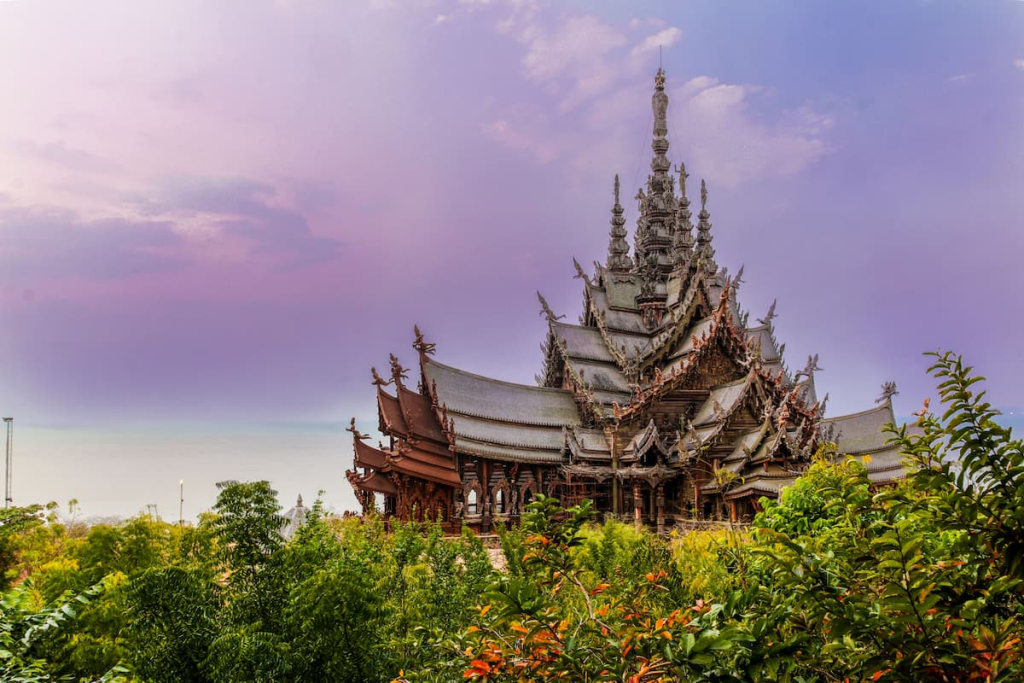
Standing beside the sea in Pattaya, the Sanctuary of Truth is an immense wooden structure covered with intricate hand-carved figures. Its architecture draws upon Thai and wider Asian religious and philosophical traditions, while the continuing work of craftspeople allows visitors to observe the skill required to create and preserve this remarkable contemporary landmark.
Spend a Day at Ramayana Water Park
Eastern Thailand is also home to some of the country’s leading family attractions. Ramayana Water Park, located south of Pattaya, provides a full day of water slides, pools, children’s areas and more relaxed attractions for visitors who do not want every memorable Thai experience to involve a temple, beach or historical site.
Explore more attractions in Eastern Thailand →
Must-See Attractions in Southern Thailand
Explore Phang Nga Bay by Boat
Travelling through Phang Nga Bay reveals limestone towers rising almost vertically from sheltered water, alongside mangrove forests, caves and small islands. Boat excursions can incorporate sea kayaking and coastal communities, creating an experience in which the journey through the landscape is every bit as important as the individual stops.
Walk Through Phuket Old Town
Phuket Old Town reveals a side of Southern Thailand far removed from beaches and island resorts. Colourful historic buildings, Chinese shrines, local markets, museums, cafés and distinctive Phuket cuisine reflect generations of trade and migration. The compact historic centre is particularly rewarding when explored slowly on foot.
Explore more attractions in Southern Thailand →
Discover More of Thailand’s Remarkable Attractions
These ten selections provide a starting point rather than a definitive ranking. Thailand offers many other worthwhile historical sites, temples, national parks, islands, cultural landmarks and contemporary attractions, including Khao Sok, Sukhothai, Koh Chang, the River Kwai and the Phi Phi Islands.
Our complete attractions guide explores a broader selection and will help you identify the places that best match your interests, itinerary and chosen regions.
Thailand’s Beaches
Thailand’s beaches range from highly developed resort centres with almost every imaginable convenience to quiet islands reached only after several stages of travel. Choosing the right coastline depends on whether you value nightlife, dramatic scenery, family facilities, peaceful surroundings or easy access to neighbouring islands.
The country also has beaches along the Andaman Sea, the southern Gulf of Thailand and the eastern Gulf. These coastlines experience different weather patterns and offer noticeably different styles of holiday, making the destination itself more important than any national ranking of individual beaches.
Phuket — The Greatest Choice and Convenience
Phuket offers Thailand’s widest selection of established beach destinations. Patong combines a busy beach with shopping, restaurants and nightlife, while Karon, Kata, Kamala and Bang Tao provide different balances of activity and relaxation. Smaller southern beaches offer quieter surroundings without placing visitors too far from the island’s extensive facilities.
Best for: First-time visitors, families, nightlife, dining, resort choice and convenient excursions.
Krabi — Beaches and Dramatic Limestone Scenery
Krabi’s beaches are shaped by the limestone cliffs and islands that rise from the Andaman Sea. Ao Nang provides the most convenient mainland base, while Railay places visitors beneath spectacular cliffs reached primarily by boat. Island excursions, kayaking and climbing make Krabi particularly appealing to travellers who want their beach holiday to include exploration and outdoor activity.
Best for: Coastal scenery, boat trips, kayaking, climbing and active beach holidays.
Khao Lak — Space, Relaxation and Mainland Comfort
Khao Lak extends along a quieter section of the Phang Nga coastline, offering spacious beaches, relaxed resorts and a slower atmosphere than Phuket. Its mainland location avoids the additional transfer required by smaller islands while providing access to waterfalls, national parks and seasonal excursions to the Similan and Surin islands.
Best for: Couples, families, peaceful resorts, longer beaches and access to marine national parks.
Koh Samui — A Complete Gulf Island Holiday
Koh Samui combines the atmosphere of an island holiday with an extensive selection of accommodation, restaurants, wellness experiences and activities. Chaweng is the liveliest beach centre, Lamai provides a more relaxed alternative and Bophut combines beach access with the restaurants and historic shophouses of Fisherman’s Village. Quieter beaches can also be found around the island’s western and southern shores.
Best for: Island convenience, resorts, dining, wellness, nightlife and Gulf excursions.
Eastern Thailand — Accessible Beaches and Islands
Eastern Thailand provides some of the most accessible coastal escapes from Bangkok. Pattaya combines beaches with nightlife, family attractions and an enormous range of activities, while nearby Koh Larn offers an easy island excursion. Farther east, Koh Samet suits shorter beach holidays, and the larger Koh Chang combines beaches, forested landscapes and accommodation across several coastal communities.
Best for: Shorter beach breaks, Bangkok access, entertainment and island variety.
Choosing the Right Time for a Beach Holiday
Thailand does not have one universal beach season. The Andaman coast is generally most settled between approximately November and April, although conditions vary from year to year. Koh Samui and the surrounding Gulf islands experience a different rainfall pattern and can offer attractive conditions during parts of the Andaman rainy season.
Weather should still be treated as variable rather than guaranteed. Rough seas can affect swimming and boat excursions, while some marine national parks and smaller islands close seasonally for safety and environmental recovery. Checking conditions for your chosen coastline is more useful than relying on a general forecast for Thailand.
Discover Thailand’s Quieter Beaches
Travellers prepared to accept longer transfers and fewer facilities can explore quieter coastlines and islands beyond the principal beach centres. Koh Lanta, Koh Lipe, the Trang islands, Koh Kood, Koh Mak and lesser-developed mainland beaches provide opportunities for slower travel and more peaceful surroundings.
Our complete beach guide compares individual destinations and will help you balance scenery, atmosphere, accessibility, facilities and the likely conditions during your holiday.
Thailand’s Islands
Thailand’s islands differ in far more than the appearance of their beaches. Some function almost like complete destinations, with international airports, extensive road networks and hundreds of accommodation choices. Others are compact, largely car-free and best experienced on foot or by boat. The right island therefore depends on how much convenience, activity, nightlife or isolation you want.
Rather than ranking islands that offer fundamentally different holidays, we have grouped them by the type of experience they provide. This makes it easier to decide whether you want a complete resort destination, an active social escape, exceptional diving or somewhere that encourages you to slow down.
Phuket and Koh Samui — Complete Island Destinations
Phuket and Koh Samui provide the convenience of established holiday destinations while retaining access to beaches, viewpoints, temples, waterfalls and surrounding islands. Both have airports, extensive accommodation and enough restaurants and activities to support a complete holiday without requiring visitors to continue elsewhere.
Phuket offers greater scale and variety, while Koh Samui generally delivers a more immediate sense of being on a tropical island.
Best for: First visits, families, resort choice, dining, nightlife and convenient island holidays.
Koh Phi Phi — Scenery and Social Energy
Koh Phi Phi combines spectacular limestone scenery with a compact, highly social island centre. Visitors can walk to viewpoints, explore surrounding bays by long-tail boat, snorkel and experience energetic nightlife around Tonsai Village. Its popularity can produce significant crowds, but staying overnight provides more time to experience the island beyond the busiest day-trip hours.
Best for: Iconic scenery, short stays, boat trips, nightlife and travelling with friends.
Koh Phangan — More Than the Full Moon Party
Koh Phangan is internationally associated with its Full Moon Party, but the island offers several very different experiences. Haad Rin supplies the famous nightlife, while quieter northern and western beaches support yoga, wellness, diving and longer stays. Its variety makes it possible to enjoy an energetic social holiday or avoid the party areas almost completely.
Best for: Events, backpacking, wellness, longer stays and contrasting island atmospheres.
Koh Tao — Diving and Underwater Exploration
Compact Koh Tao is one of Thailand’s best-known places to learn to scuba dive, with numerous dive schools and access to reefs and underwater sites around the island. Snorkelling, viewpoints and boat trips provide alternatives for non-divers, while its small scale creates a sociable atmosphere that appeals particularly to independent travellers.
Best for: Learning to dive, snorkelling, independent travel and active island holidays.
Thailand’s Quieter Island Escapes
Travellers seeking a slower pace have several alternatives to the most developed islands. Koh Lanta combines long beaches with villages and a substantial local community, while Koh Lipe offers clear water and access to Thailand’s far southern marine environment. Koh Kood and Koh Mak provide quieter eastern escapes, and the Trang islands reward travellers prepared to accept longer transfers and fewer facilities.
These islands are not undiscovered, but their smaller scale and more limited development can create a noticeably different holiday.
Best for: Relaxation, couples, slower travel, natural surroundings and smaller resorts.
Choosing the Right Thai Island
Island size, access and transport matter as much as the beach itself. Phuket and Koh Samui are straightforward to reach and provide extensive services, while smaller islands may require combinations of flights, road transfers and ferries. Some are easy to explore independently; others depend heavily on boats, shared taxis or hotel transfers.
Seasonal conditions can also affect ferry services, diving visibility and access to marine parks. Islands on different coasts do not always experience their best weather simultaneously, so choose your island according to your travel dates rather than assuming conditions will be identical throughout Thailand.
Find the Island That Suits Your Holiday
Thailand has islands for almost every style of traveller, from highly developed resort centres and famous party destinations to diving communities and peaceful tropical retreats. Our complete island guide compares the leading choices in greater detail, helping you consider accessibility, atmosphere, beaches, activities and the best time to visit.
Experiencing Thai Food
Food can become one of the most rewarding parts of a Thailand holiday without every meal needing to be researched in advance. Some memorable discoveries come from seeking out celebrated regional dishes, while others begin with following the smell of a charcoal grill, noticing a busy local restaurant or ordering something simply because it looks good on the neighbouring table.
Thai cuisine changes considerably as you travel through the country. Ingredients, cooking techniques and preferred flavours reflect regional landscapes, histories and communities. Rather than approaching Thai food as a checklist of famous dishes, allow where you are travelling to influence what you eat.
Eat According to Where You Are
Look for dishes associated with the region you are visiting. Northern Thailand provides opportunities to explore Lanna cooking, Isan is known for bold shared meals, Central Thailand draws upon its fertile plains and waterways, and the South combines powerful flavours with seafood and influences created through centuries of maritime exchange.
You do not need to understand the complete history of every dish. Simply asking what an area is known for can lead you beyond the meals most commonly presented to international visitors.
Look Beyond Tourist-Facing Menus
Thailand offers excellent dining at every level, from roadside stalls and market vendors to specialist shophouses, family restaurants and internationally recognised dining rooms. No single setting provides the complete picture.
Popular tourist restaurants can be convenient and enjoyable, particularly when you first arrive. However, leaving the principal visitor streets occasionally can reveal places concentrating on only one dish or a small collection of regional specialities. A busy restaurant filled with local customers is often a useful sign, even when its appearance is relatively unassuming.
Experience Thai Food as a Shared Meal
Thai food frequently makes the most sense when several dishes are placed in the centre of the table and eaten together. A curry, grilled dish, vegetables, soup or salad can each contribute different flavours and textures, with rice connecting the meal.
Travelling with other people creates an opportunity to try more without ordering an individual serving of everything. If travelling alone, markets, food courts and smaller portions make it easier to explore gradually.
Leave Room for Unplanned Discoveries
Trying pad Thai, green curry, tom yum and mango sticky rice is not a mistake simply because they are internationally familiar. They became popular for good reasons. The missed opportunity comes from eating only those dishes regardless of where you travel.
Plan a few experiences that genuinely interest you, but leave space for recommendations from local residents, hotel staff, guides and people you meet. Some of Thailand’s most enjoyable meals are discovered rather than scheduled.
Follow Your Curiosity Without Ignoring Comfort
Experiencing Thai food does not require tolerating extreme chilli, eating ingredients you strongly dislike or treating every meal as a personal challenge. Ask for less spice when necessary, communicate dietary requirements clearly and choose food that appears freshly prepared and well handled.
Curiosity is more valuable than bravado. Trying one unfamiliar dish alongside something you already enjoy can gradually open a much broader view of Thai cuisine without turning the meal into an ordeal.
Explore Thai Cuisine in Greater Depth
Thailand’s food tells stories of agriculture, migration, trade, regional identity and continual adaptation. Our complete culinary guide explores the country’s regional cuisines, signature dishes, historical influences, markets, cooking experiences, ordering customs, dietary requirements and food safety in considerably greater detail.
Where to Stay in Thailand
Thailand offers accommodation for almost every style of holiday, from city hostels and family-run guesthouses to private villas, rainforest cabins and internationally recognised resorts. Finding somewhere within your budget is rarely the greatest challenge. The more important decision is choosing a property in the right location for the experience you want.
A beautiful hotel cannot compensate for staying on the wrong beach, in an inconvenient neighbourhood or several hours from the attractions you intend to visit. Choose your destination and preferred area first, then compare the accommodation available within it.
City Hotels and Serviced Apartments
Bangkok, Chiang Mai and Thailand’s other cities offer everything from inexpensive guesthouses to luxury hotels and serviced apartments designed for longer stays. Location can have a greater effect on your holiday than the difference between two similarly rated properties.
Consider proximity to public transport, restaurants and the neighbourhoods you expect to explore. A lower room rate may provide little value if reaching your chosen attractions requires long journeys through traffic every day.
Beach Resorts and Island Accommodation
Beach accommodation ranges from large self-contained resorts to small hotels surrounded by restaurants, shops and nightlife. Neither option is automatically better.
An isolated resort can provide space, privacy and extensive facilities but may leave you dependent on hotel transport or expensive taxis. Staying in an established beach centre makes independent dining and exploration easier, although the surroundings may be busier. Check whether “beachfront” means direct access to a usable beach and whether swimming conditions change seasonally.
Boutique Hotels and Heritage Stays
Converted shophouses, restored historic buildings and independently operated boutique hotels can provide considerably more character than a conventional resort. These properties are particularly appealing in places such as Bangkok’s older neighbourhoods, Chiang Mai, Phuket Old Town and other historic provincial centres.
Rooms may be smaller and facilities more limited, but the surrounding streets, architecture and local businesses often become part of the accommodation experience.
Villas, Guesthouses and Budget Accommodation
Private villas can work well for families and groups wanting additional space, cooking facilities and shared living areas. However, location, transport and on-site support require careful attention, particularly when a villa sits away from established visitor areas.
Guesthouses and hostels provide more affordable alternatives and can create opportunities to meet other travellers. Standards vary widely, so recent reviews, security, cleanliness and the precise room type are generally more useful than price alone.
Nature Lodges and Distinctive Stays
Some accommodation is worth choosing because it becomes part of the experience. Rainforest cabins, mountain retreats, riverside lodges and floating accommodation can place visitors much closer to Thailand’s natural landscapes.
These stays may involve simpler facilities, limited connectivity, insects, early nights or more complicated transfers. Understanding those compromises beforehand helps preserve the sense of adventure without creating unrealistic expectations.
Check the Location Before Booking
Hotel descriptions frequently use phrases such as “near the beach,” “centrally located” or “minutes from major attractions.” Check the property on a map and read recent reviews to understand what those claims mean in practice.
Look for steep hills, major roads, walking conditions and the availability of public transport or ride-hailing services. On islands and in smaller destinations, confirm how you will reach restaurants, beaches and departure piers. Saving money on accommodation can quickly become a false economy if every journey requires private transport.
Find Accommodation in Our Destination Guides
Once you have chosen where you want to go, continue to our detailed destination guides for more specific accommodation advice. These guides compare the best areas to stay and include carefully selected hotels, resorts, guesthouses and other properties across different price bands.
Recommendations are organised by location and type of traveller, helping you identify accommodation that suits your budget without overlooking practical considerations such as beach access, transport, nightlife, family facilities and the surrounding atmosphere.
Getting Around Thailand
Thailand’s major cities, regions and islands are connected by domestic flights, trains, long-distance buses, minivans, ferries and an extensive road network. The best choice depends upon the distance involved, the time available and whether the journey itself forms part of the experience.
A flight can preserve an entire day of a shorter holiday, while an overnight train may replace one night of accommodation and provide a more memorable journey. Islands and less accessible destinations frequently require several forms of transport, making the complete connection more important than any individual ticket.
Domestic Flights
Flying is generally the most practical way to connect distant parts of Thailand. Bangkok has direct links with major destinations across the north, northeast and south, while some regional airports also support routes that avoid returning through the capital.
Bangkok has two principal airports: Suvarnabhumi and Don Mueang. Both handle domestic flights, with Don Mueang particularly important for low-cost services. Always check the airport code when booking separate tickets. Transferring between the two airports involves crossing Bangkok and requires considerably more time than changing flights within one airport.
Travelling by Train
Thailand’s railway network provides a slower but often more atmospheric way to travel. The principal lines extend north towards Chiang Mai, northeast towards Nong Khai and Ubon Ratchathani, east from Bangkok and south through Hua Hin, Surat Thani, Trang and Hat Yai.
Overnight trains can be particularly useful when time allows, although the quality and comfort of carriages vary. Reserve sleeping berths in advance during popular travel periods.
Most major long-distance services in Bangkok use Krung Thep Aphiwat Central Terminal, which may still appear under its former name, Bang Sue Grand Station, in older directions. Trains do not travel directly to Phuket, Krabi, Khao Lak or Thailand’s islands, so these journeys require an onward road or ferry connection.
Intercity Buses and Minivans
Long-distance coaches reach more provinces and destinations than the railway network. They can provide direct connections between regional cities and are often useful when a flight or train would require returning through Bangkok.
Minivans commonly operate shorter routes between towns, transport hubs, piers and tourist destinations. They can be efficient but may provide limited luggage space and less comfort than a full-sized coach. Confirm the departure point carefully because different companies serving the same destination may leave from different terminals or offices.
Ferries and Island Transfers
Reaching many Thai islands requires a combination of transport rather than one direct journey. A typical connection may involve a flight or train followed by a road transfer to the pier and then a ferry or speedboat.
Check every stage before booking the first ticket. Confirm which pier the boat uses, whether the road transfer is included and whether the connection leaves enough time for ordinary delays. Weather and sea conditions can disrupt services, while some routes operate less frequently or stop during parts of the monsoon season.
Whenever possible, avoid depending upon the final boat of the day. Missing it may require an unexpected overnight stay on the mainland.
Driving Through Thailand
Renting a car can be valuable when exploring rural provinces, national parks or several destinations within one region. Thailand drives on the left, and major highways are generally straightforward to navigate, although traffic conditions and local driving behaviour may be unfamiliar.
Visitors should carry their original driving licence together with a valid International Driving Permit recognised in Thailand and correctly endorsed for the vehicle being driven. Confirm the requirements with the rental company and insurer before collecting the vehicle.
Motorcycles demand particular caution. A car licence does not automatically authorise motorcycle use, and travel insurance may not cover an accident involving an incorrectly licensed rider, an excluded engine capacity or failure to wear a helmet. Renting a motorcycle because it appears convenient should not replace an honest assessment of your experience and ability.
Local Transport After You Arrive
Local transport varies substantially between destinations. Bangkok has extensive urban rail, bus, taxi and boat services, while other cities may rely upon ride-hailing, taxis, songthaews, tuk-tuks or motorcycle taxis. Islands can depend on shared pickups, hotel transfers, negotiated taxis or rental vehicles.
Our destination guides explain these local systems in greater detail. The Phuket guide, for example, covers travelling around the island, while individual beach guides concentrate only on the transport considerations affecting that particular area.
Allow Time Between Connections
Thailand’s transport network makes complex journeys possible, but possible does not always mean comfortable. Traffic, delayed arrivals, unfamiliar terminals, weather and changing sea conditions can all affect an itinerary.
Leave meaningful time between separately booked flights, trains, road transfers and ferries. A relaxed connection may occupy more of the day, but it is usually preferable to beginning a holiday with a missed boat, additional hotel night or expensive replacement ticket.
Plan Transport for Your Destination
Our regional and destination guides provide more detailed advice about airports, railway stations, bus connections, ferry piers and local transport. Use this country overview to choose the most suitable way to move between regions, then consult the relevant place guide when planning the final stages of each journey.
Plan Your Thailand Holiday
Planning a rewarding Thailand holiday begins with deciding what you want from the journey rather than how many famous places you can fit into it. Thailand’s established transport network makes it possible to combine cities, ancient capitals, mountains, national parks and tropical islands, but every additional destination also introduces another transfer, check-in and adjustment to unfamiliar surroundings.
Some travellers enjoy moving quickly and filling every day. Others are trying to escape precisely that kind of pressure. The guidance below assumes that you want enough time to experience each destination without making the holiday feel like a race.
Start With the Holiday You Want
Begin by identifying the experiences that matter most. A first visit might combine Bangkok’s food and cultural landmarks with Chiang Mai or a southern beach destination. A nature-focused journey could connect mountains, national parks and quieter coastal areas, while another holiday might remain entirely on one island.
There is no obligation to represent every side of Thailand in a single trip. Choosing destinations that support the same overall holiday can be more rewarding than combining places simply because they appear on a popular itinerary.
Choose Fewer Bases
Changing destinations consumes more time than a map or transport timetable suggests. Packing, checking out, reaching the airport or station, waiting, collecting luggage and travelling to the next hotel can occupy much of a day.
For a relaxed journey, allow several nights in each principal destination and treat short stays as deliberate additions rather than the foundation of the itinerary. A place that appears to require only two days may deserve longer once time for meals, rest, weather changes and spontaneous discoveries is included.
Build the Route Around Your Gateway
Bangkok is Thailand’s principal transport hub and the natural starting point for many journeys. However, travellers arriving through Phuket, Chiang Mai or another regional airport may be able to construct a more direct route without immediately returning through the capital.
When possible, investigate arriving in one city and departing from another. An itinerary beginning in Bangkok and finishing in Phuket, for example, can eliminate unnecessary backtracking. Always consider the complete transfer rather than the advertised flight time alone, particularly when changing between Bangkok’s Suvarnabhumi and Don Mueang airports.
Match the Season to the Region
Thailand does not experience identical conditions everywhere at the same time. The Andaman coast, southern Gulf islands, northern mountains and inland regions follow different seasonal patterns.
Research the conditions for the destinations you actually intend to visit rather than relying upon a general statement about the best time to visit Thailand. Rain does not automatically make a holiday unsuccessful, but rough seas, seasonal closures, smoke, extreme heat or persistent rainfall can materially affect particular activities.
Book the Important Elements First
Reserve the arrangements that could determine the shape of the entire journey before filling the itinerary with flexible activities. International flights, limited island accommodation, overnight train berths and stays during major festivals or popular holiday periods may require earlier decisions.
Many ordinary day trips, restaurants, markets and local activities can remain flexible. Weather-dependent excursions can sometimes be arranged more confidently after arrival. Booking everything in advance may provide certainty, but it can also remove your ability to respond to conditions or change your mind.
Leave Room for Discovery
A good itinerary provides direction without controlling every hour. Leave room for a longer lunch, an unexpected market, a recommendation from someone you meet or an afternoon when doing very little becomes exactly what you need.
Thailand rewards curiosity. Some of the strongest memories may come from the experiences you planned carefully, while others will emerge from moments that could never have appeared on the original schedule.
Check Current Entry and Travel Information
Entry requirements differ according to nationality and can change. Before departure, confirm passport validity, visa or exemption conditions, arrival procedures, insurance requirements and any current health or customs regulations through official Thai government sources and your airline.
Transport schedules, marine-park access and local conditions can also change. Recheck the essential parts of your journey shortly before travelling rather than relying entirely on information collected months earlier.
Build Your Complete Thailand Itinerary
Our detailed holiday-planning guide explores trip lengths, regional combinations, arrival gateways and realistic ways to connect Thailand’s cities, cultural destinations, mountains, national parks, beaches and islands.
Use this country guide to discover what interests you, then build a journey around the destinations and experiences that matter most—not the number of places you can cross from a list.
Continue Planning Your Thailand Journey
Plan Your Trip with Go Find Asia
Ready to start planning? Explore practical travel advice, destination planning resources, sample itineraries and expert tips to help you organise your Thailand holiday with confidence.
Discover Tours with Resurgence Travel
Ready to book your adventure? Discover thoughtfully designed tours, authentic local experiences and personalised travel services to help you experience the very best of Thailand.